

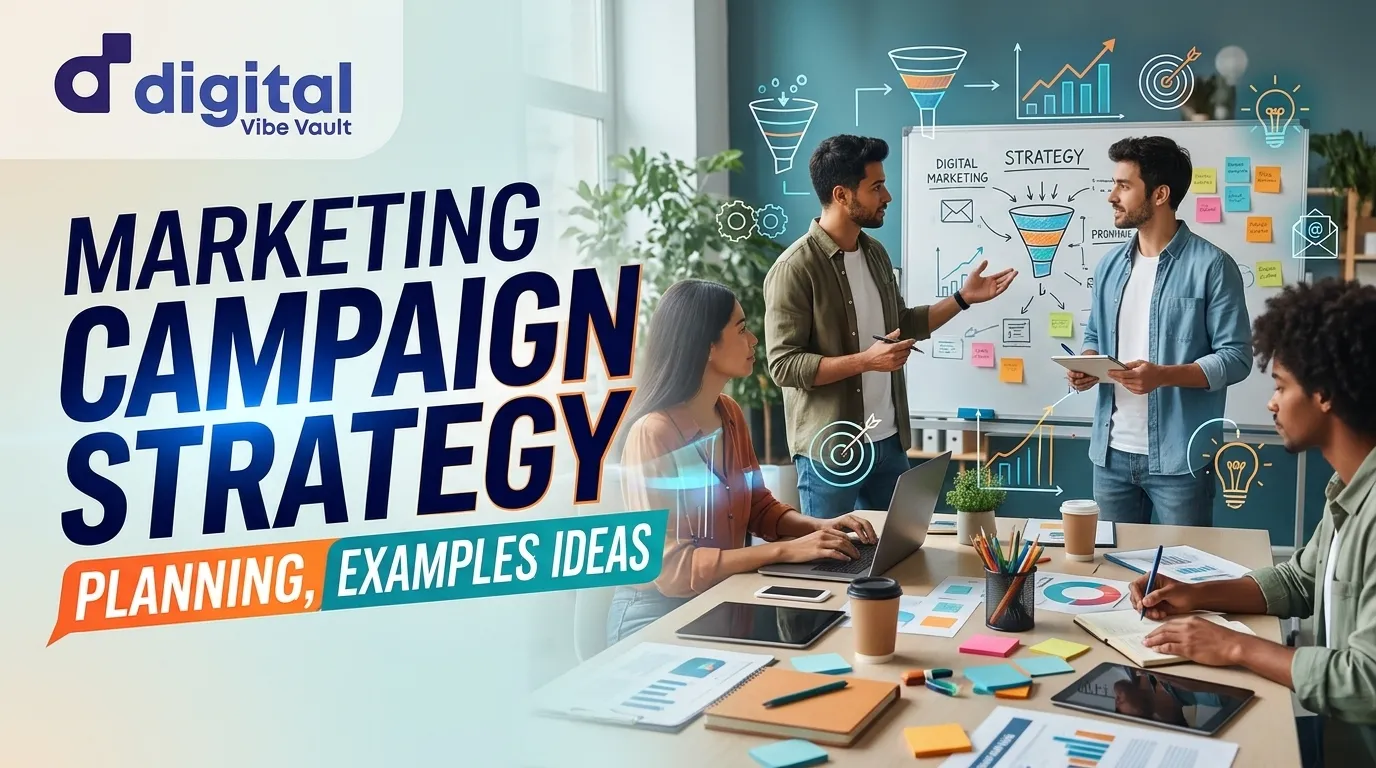
A marketing campaign is an essential part of building a successful business, attracting potential customers, and increasing brand recognition. In today’s competitive digital environment, businesses need more than attractive advertisements to stand out. They need a clear strategy, valuable content, suitable marketing channels, and a strong understanding of their target audience. Whether you operate a small business, an online store, or an established company, the right approach can help you reach potential customers and achieve sustainable growth.
A successful marketing campaign combines creativity with research and planning. It focuses on delivering the right message to the right people at the right time. From social media promotion and search engine optimisation to email marketing and paid advertising, businesses can use different methods to connect with customers. Understanding how these methods work together makes it easier to generate leads, increase sales, and build long-term customer relationships.
Digital marketing campaign strategy
A successful digital marketing campaign strategy begins with understanding what your business wants to achieve. Every business has different marketing requirements. Some companies want to introduce a new product, while others focus on increasing website traffic, generating leads, improving online sales, or building brand recognition. Before choosing any promotional channel, establish a clear objective that explains what success will look like.
Setting measurable goals makes your marketing activities more organised. For example, an online business might aim to increase website visitors by 30% within three months, while a service-based company may want to generate 100 qualified enquiries. These goals provide direction and help businesses evaluate whether their promotional activities are producing meaningful results. Without measurable objectives, it becomes difficult to understand which activities deserve more investment.
Audience research is another important part of developing an effective strategy. You should understand your potential customers’ interests, preferences, purchasing behaviour, challenges, and online habits. Researching customer needs helps you create messages that address real problems instead of simply promoting products. You can collect useful information through surveys, website analytics, customer reviews, social media comments, and competitor research.
After identifying your audience, choose suitable digital channels. Search engine optimisation can attract people who are actively searching for information or products. Social media platforms help businesses communicate with potential customers, while email marketing supports long-term relationships. Paid advertisements can provide additional visibility when you need to reach a larger audience within a shorter period.
The most effective strategy connects these channels instead of treating them as separate activities. Your website, advertisements, emails, and social media content should communicate a consistent message. This creates a smoother customer experience and helps your business establish a recognisable identity. A well-developed marketing campaign should also include performance indicators so you can measure progress and make improvements.
Successful marketing campaign examples
Looking at successful marketing examples is an excellent way to understand what attracts customers and encourages them to take action. Businesses in different industries use storytelling, creativity, emotional connections, product demonstrations, and customer experiences to make their promotions memorable. Although every business has different objectives, successful examples often share one important characteristic: they understand what their audience wants.
Consider a company preparing to launch a new skincare product. Instead of immediately spending a large amount on advertisements, it could introduce the product through educational videos, skincare tips, customer testimonials, and behind-the-scenes content. The business could then collaborate with relevant beauty creators and offer product samples to selected customers. This approach creates interest before the official launch and gives potential buyers useful information.
Another example is a small clothing business that wants to increase online sales. It could publish styling videos, share customer photographs, introduce seasonal collections, and offer discounts during special occasions. By combining organic social media content with targeted advertisements, the business can reach people who are interested in its products.
Viral content can also help brands increase visibility. However, businesses should not follow every popular trend without considering whether it matches their identity. A trend is useful when it allows a company to communicate naturally with its audience. You can explore social media viral trends to understand how businesses can identify relevant trends and use them to increase engagement.
The most important lesson from successful examples is that originality matters. Instead of copying another company’s advertising message, study why its approach worked. It might have addressed a common customer problem, presented an interesting story, or offered an attractive solution. Use those insights to develop your own creative direction. Every marketing campaign should reflect your brand’s personality and provide a genuine reason for customers to pay attention.
Marketing campaign planning
 Proper planning is the foundation of successful promotional activities. Even an excellent creative idea can fail when there is no clear schedule, insufficient budget, or confusion between team members. Planning allows businesses to organise their resources, identify possible challenges, and maintain consistency throughout the promotional process.
Start by defining the purpose of your campaign. Decide whether you want to increase awareness, promote a product, attract new customers, improve customer retention, or generate more revenue. Once the objective is clear, identify the audience you want to reach and develop a message that communicates the value of your offer.
The next step is preparing a realistic timeline. Consider how much time you need for research, content development, graphic design, video production, advertising setup, and final approval. Preparing promotional materials in advance helps prevent unnecessary delays. It also gives your team enough time to review creative assets and correct mistakes before publication.
Budget planning is equally important. Your expenses may include paid advertisements, professional photography, video production, website development, marketing software, influencer partnerships, and content creation. Businesses should consider both direct advertising costs and the resources required to manage their activities.
It is also important to assign responsibilities. If several people are working on the same project, everyone should understand their role. One person might manage social media, another may prepare content, and someone else could monitor advertising performance. Clear communication reduces confusion and makes it easier to complete tasks on schedule.
A detailed plan should also include potential risks. For example, an advertisement might receive fewer clicks than expected, a product could become unavailable, or a landing page might experience technical problems. Preparing alternative solutions allows businesses to respond quickly. When your planning process includes objectives, responsibilities, deadlines, and performance measures, a marketing campaign becomes easier to manage and improve.
Online marketing strategies
Online marketing provides businesses with opportunities to connect with customers across different digital platforms. Unlike traditional promotion, many online channels allow companies to target specific audiences, monitor user behaviour, and adjust their activities according to performance. This flexibility makes digital promotion valuable for both small businesses and large organisations.
Search engine optimisation is one of the most useful long-term strategies. By publishing relevant content, improving website speed, using descriptive page titles, and organising website information properly, businesses can improve their chances of appearing in relevant search results. Useful content also builds trust because visitors can learn about products and services before making purchasing decisions.
Content marketing supports this process by providing information that customers actually need. Businesses can publish educational articles, tutorials, product comparisons, videos, downloadable guides, and industry insights. The purpose is not simply to promote a product but to demonstrate expertise and help potential customers make informed decisions.
Entrepreneurs can also explore digital products as part of their online business model. Downloadable templates, educational courses, design resources, ebooks, and business tools can provide additional value while creating new revenue opportunities. Read more about digital products for entrepreneurs to discover how these products can support online business development.
Email marketing is another valuable strategy. Businesses can collect subscribers through website forms, useful downloads, newsletters, and special offers. They can then send relevant updates, educational information, product announcements, and personalised recommendations. Automated email sequences make this process more efficient by delivering messages according to subscriber behaviour.
For example, a welcome email can introduce a business to new subscribers, while an abandoned-cart message can remind shoppers about products they considered purchasing. You can learn more through this guide to email marketing automation.
Combining search, content, social media, and email creates a connected digital experience. Rather than relying on one source of traffic, businesses can build multiple ways for potential customers to discover their products and services. This makes an online marketing campaign more flexible and sustainable.
Effective advertising campaigns
Advertising helps businesses communicate their offers to potential customers and encourage specific actions. However, simply spending money on advertisements does not guarantee success. An effective advertising strategy requires a relevant message, attractive creative content, suitable targeting, and a clear call to action.
The first step is understanding the problem your product or service solves. Customers are generally more interested in benefits than technical features. For example, instead of advertising a software product by listing every technical specification, explain how it saves time, improves productivity, or makes an everyday task easier.
Visual presentation also plays an important role. High-quality images, short videos, attractive graphics, and clear headlines can help advertisements capture attention. However, the creative material should support the message rather than distract from it. Consistent colours, typography, and brand elements make advertisements easier to recognise.
Different advertising channels serve different purposes. Search advertisements are useful for reaching people who are already looking for a product or service. Social media advertisements can introduce brands to new audiences based on relevant targeting options. Display advertising can increase visibility across websites, while video advertisements allow businesses to explain their products through demonstrations and storytelling.
Traditional advertising can also remain useful, particularly for businesses targeting broad audiences. Television, radio, newspapers, and outdoor advertisements can support brand recognition and complement digital activities. If you want to understand this approach in greater detail, explore the benefits of television advertising.
Testing is essential when managing paid promotion. Try different headlines, images, descriptions, and offers to understand what attracts the strongest response. Monitor the quality of visitors and leads instead of focusing only on clicks. A successful advertising campaign should produce meaningful business outcomes, not just temporary attention.
Marketing campaign management
 Managing promotional activities requires regular monitoring, effective communication, and a willingness to make improvements. Once a campaign begins, businesses should check whether everything is working as planned. This includes advertisements, website links, landing pages, contact forms, tracking tools, and promotional offers.
Performance measurement helps identify which activities are successful. Website traffic indicates how many people visit your pages, while engagement measures how audiences interact with your content. Click-through rates show how frequently people click advertisements or links, and conversion rates indicate how many visitors complete a desired action.
Other important measurements include cost per lead, customer acquisition cost, return on advertising spend, and total revenue generated. The right metrics depend on your objectives. For example, a brand awareness project may prioritise reach and audience growth, while an online sales promotion should focus more closely on purchases and revenue.
Regular reporting makes it easier to understand changes in performance. Businesses should compare results with their original objectives and identify areas that need attention. If an advertisement receives many clicks but generates very few purchases, the problem might be the landing page, product pricing, offer, or customer experience.
Communication between team members is also essential. Marketing managers, designers, content creators, advertising specialists, and sales representatives should share relevant information. Customer feedback can reveal problems that analytics alone might not explain.
Long-term improvement requires learning from previous results. Businesses should document successful ideas, unsuccessful tests, customer responses, and budget performance. These insights can help improve future planning. For additional guidance, explore these business growth strategies.
Effective management is not about making constant changes without evidence. It is about identifying meaningful opportunities, responding to customer behaviour, and using available resources wisely. A properly managed marketing campaign becomes easier to evaluate, repeat, and scale.
Social media marketing campaign
Social media has become an important communication channel for businesses because it allows brands to interact directly with customers. Platforms such as Facebook, Instagram, TikTok, LinkedIn, and Pinterest provide different opportunities for sharing content, introducing products, and developing communities.
Before selecting a platform, understand where your potential customers spend their time. A business selling professional software may find LinkedIn useful for reaching business owners and decision-makers. A fashion or lifestyle brand may receive more attention through Instagram and TikTok, where visual content plays an important role. Content quality is more important than publishing a large number of posts. Share information that educates, entertains, or solves a problem. Product demonstrations, customer reviews, tutorials, short videos, behind-the-scenes photographs, and industry tips can make your social profiles more valuable.
Consistency also matters. Develop a content calendar that includes different formats and topics. This helps maintain a regular publishing schedule while preventing repetitive promotional messages. Your audience should receive useful information alongside product updates and special offers. Engagement should be treated as a two-way process. Respond to comments, answer questions, acknowledge customer feedback, and participate in relevant conversations. These interactions make customers feel heard and help businesses understand what their audiences expect.
Influencer partnerships can provide additional exposure when creators have a genuine connection with your target market. However, follower numbers should not be the only selection factor. Audience relevance, credibility, engagement quality, and content style are equally important. Measure the results through engagement, reach, profile visits, website traffic, leads, and conversions. Use these findings to improve your content strategy. A successful social media marketing campaign builds relationships while helping a business achieve measurable objectives.
Brand awareness campaigns
Brand awareness refers to how familiar people are with a business, its products, and its identity. When customers recognise a brand and understand what it offers, they may be more likely to consider it when they need a relevant product or service. Building recognition requires consistency. Your logo, colours, typography, messaging, website design, and communication style should create a recognisable identity across different platforms. When customers see similar branding in advertisements, emails, social media posts, and website content, it becomes easier for them to remember your business.
Storytelling can make a brand more memorable. Instead of focusing exclusively on product features, communicate why your business exists, what problems it wants to solve, and how its products improve customers’ lives. Authentic stories can create stronger emotional connections than repetitive promotional messages.
Partnerships and community activities can also increase awareness. Collaborating with complementary businesses, supporting relevant events, sponsoring educational activities, or working with industry creators can introduce your brand to new audiences. Video content is particularly useful for communicating brand personality. Businesses can publish product demonstrations, founder interviews, customer experiences, and educational videos. These formats provide opportunities to communicate information in an engaging way.
Awareness should also be measured. Useful indicators include brand-related searches, website visits, social media reach, audience growth, impressions, and customer surveys. These measurements help businesses understand whether more people are becoming familiar with their products and services. Remember that awareness does not always generate immediate purchases. Sometimes customers need several interactions before making a decision. Therefore, a strong brand awareness campaign should focus on creating familiarity and trust that can support future business growth.
Target audience marketing
Understanding your target audience is one of the most important parts of business promotion. Not every person will be interested in your products or services, so directing your resources towards relevant customers can improve efficiency and reduce unnecessary spending. Start by identifying basic audience characteristics. These may include age, location, profession, income range, interests, lifestyle, and purchasing behaviour. Depending on your industry, you may also consider whether your customers are individuals, small businesses, or large organisations.
Demographic information is useful, but understanding customer motivation is equally important. Think about what problems people want to solve, what prevents them from purchasing, and which benefits influence their decisions. Customer interviews, reviews, surveys, and website analytics can provide useful insights. You can organise customers into different segments according to their needs and behaviour. For example, first-time visitors may need introductory information, while returning customers might be interested in product comparisons, exclusive offers, or additional services. This allows businesses to deliver more relevant messages.
Personalisation can improve the customer experience when it is based on appropriate information. Businesses can recommend relevant products, send useful email content, and display advertisements connected to genuine customer interests. However, personal information should always be collected and used responsibly. Avoid making assumptions about customers simply because they belong to a particular age group or location. Test your audience segments and evaluate their actual responses. Some groups may generate more engagement, while others may produce stronger sales or long-term customer value. An effective target audience marketing strategy focuses on relevance rather than reaching everyone. When businesses understand their customers, they can develop more useful content, select appropriate channels, and create stronger promotional messages.
Marketing campaign ideas
 Developing fresh promotional ideas can help businesses maintain audience interest and attract new customers. However, creative activities should always connect with a clear business objective. A campaign does not need an expensive concept to become successful. Sometimes a simple idea that addresses a specific customer need can produce better results. One useful idea is a referral programme. Encourage existing customers to recommend your products or services to friends, family members, or colleagues. You could offer a discount, loyalty reward, or special benefit when a successful referral takes place. This approach uses existing customer relationships to introduce your business to new people.
Another idea is an educational content series. Publish short articles, videos, or social media posts that answer common questions related to your industry. This helps customers understand your products while positioning your business as a helpful source of information. Seasonal promotions can also attract attention. Businesses can create offers around holidays, festivals, back-to-school periods, or other relevant occasions. The key is to make the promotion genuinely useful rather than offering discounts without a clear purpose. For online businesses, product bundles and personalised recommendations can encourage customers to explore additional products. User-generated content can also be effective because real customer experiences help potential buyers understand how products work. If you operate an ecommerce business, explore online store marketing for more ideas on attracting visitors and improving online sales.
Other creative opportunities include webinars, free consultations, interactive quizzes, product demonstrations, customer challenges, and collaborations with complementary brands. Each idea should include a clear message, a suitable audience, and a measurable outcome. Start with a manageable activity rather than launching several unrelated promotions at once. Review the results, collect customer feedback, and identify which ideas deserve further investment. Testing different approaches helps businesses discover what their audiences genuinely appreciate.
Conclusion
Building a successful marketing strategy requires planning, creativity, audience research, and continuous improvement. From selecting digital channels and creating advertisements to managing social media and developing brand awareness, every activity should support a clear business objective. Businesses that understand their customers and communicate relevant messages have a stronger opportunity to develop meaningful relationships. They should also measure performance, learn from previous activities, and adjust their strategies according to actual results. Whether you are a startup, entrepreneur, or established company, the key is to focus on delivering value rather than simply promoting products. With the right approach, a marketing campaign can help increase visibility, attract potential customers, improve conversions, and support sustainable business growth.
FAQ
1. What is a marketing campaign?
A marketing campaign is a planned series of promotional activities designed to achieve a specific business objective. It may focus on increasing brand awareness, promoting products, generating leads, improving website traffic, or increasing sales through different marketing channels.
2. What are the main types of marketing campaigns?
Common types include digital marketing, social media promotion, email marketing, search engine marketing, content marketing, influencer promotion, television advertising, and product launch campaigns. Businesses select suitable approaches according to their objectives and target audiences.
3. How do I create a successful marketing campaign?
Start by defining your business objective and researching your target audience. Develop a clear message, select appropriate promotional channels, prepare a realistic budget, create valuable content, and establish performance indicators. Monitor the results and make improvements based on reliable data.
4. How much does a marketing campaign cost?
The cost depends on your business size, promotional channels, audience, creative requirements, and campaign duration. Small businesses can begin with organic social media and content marketing, while larger companies may invest in paid advertising, professional production, and influencer partnerships.
5. Which platform is best for digital marketing?
There is no single platform that works best for every business. Facebook and Instagram can support visual promotion and community engagement, LinkedIn is useful for professional audiences, TikTok supports short-form video discovery, and search engines help reach people actively looking for information.
6. How long does a marketing campaign take to show results?
Some paid advertising activities can generate traffic and leads within days, while search engine optimisation and brand awareness activities usually require more time. Results depend on competition, budget, audience behaviour, content quality, and the promotional channels being used.
7. Why is target audience research important?
Audience research helps businesses understand customer needs, interests, challenges, and purchasing behaviour. It allows them to develop relevant messages, select appropriate channels, reduce unnecessary spending, and improve the overall customer experience.
8. How can I measure marketing campaign performance?
You can measure performance through website traffic, impressions, reach, engagement, click-through rates, conversion rates, leads, customer acquisition costs, and revenue. Select indicators that directly relate to your original business objectives.
9. Can small businesses run effective marketing campaigns?
Yes. Small businesses can achieve meaningful results through consistent social media content, referral programmes, email newsletters, local partnerships, educational articles, and targeted advertising. A clear strategy and proper budget management are more important than spending large amounts of money.
10. What are the biggest mistakes to avoid in marketing?
Common mistakes include having unclear objectives, targeting the wrong audience, ignoring customer feedback, using inconsistent messaging, spending without tracking results, and expecting immediate success from every promotional activity. Businesses should plan carefully, test different approaches, and improve their strategies over time.



Leave a Reply