

Great food and excellent service are the foundation of any successful eatery. However, relying solely on foot traffic and word of mouth is no longer sufficient to fill your tables every night. As consumer habits shift toward online discovery, digital marketing for restaurants has become a fundamental requirement for growth and survival.
People now decide where to eat based on Instagram photos, Google reviews, and online menus. If your establishment lacks a strong digital footprint, you are losing potential guests to competitors who are actively engaging with them online. Establishing a comprehensive strategy allows you to reach hungry patrons precisely when they are looking for their next meal.
This guide explores the essential components of digital marketing for restaurants. You will learn how to optimize your online presence, leverage social media, and implement targeted advertising campaigns. By applying these strategies, you can drive more reservations, increase takeout orders, and build long-lasting customer loyalty.
Building a Strong Online Presence

Your restaurant’s digital footprint serves as your virtual storefront. It is often the first impression a potential customer gets of your brand, making it crucial to present a polished and user-friendly experience.
Website Optimization for Restaurants
A modern restaurant website needs to be functional, fast, and visually appealing. It acts as the central hub for all your digital marketing for restaurants.
Mobile-First Design
The majority of food searches happen on mobile devices. Diners looking for a quick bite or planning a weekend dinner will navigate away from your site if it requires excessive pinching and zooming. Ensure your website features a responsive design that adapts seamlessly to smartphones and tablets.
Online Ordering and Reservations
Convenience drives consumer behavior. Integrating user-friendly online ordering systems and reservation widgets directly into your website eliminates friction. Patrons should be able to book a table or order delivery with just a few clicks, without needing to make a phone call.
High-Quality Photography and Menus
Your menu is your most important sales tool. Avoid uploading scanned PDFs that are difficult to read on smaller screens. Instead, use a text-based, interactive menu. Pair your dishes with professional, high-resolution photography that accurately represents your culinary style and makes viewers crave your food.
Search Engine Optimization (SEO) for Local Restaurants
Having a beautiful website is only helpful if people can find it. Local SEO ensures your business appears when nearby customers search for dining options.
Google My Business Optimization
Claiming and optimizing your Google Business Profile is a non-negotiable step in digital marketing for restaurants. Ensure your address, phone number, operating hours, and website link are entirely accurate. Upload fresh photos regularly and enable the booking button to capture immediate reservations.
Local Keywords and Citations
Incorporate location-specific keywords into your website’s text. Phrases like “best Italian restaurant in downtown Chicago” help search engines connect your site with local searches. Additionally, ensure your business information is consistent across online directories like Yelp, TripAdvisor, and Foursquare.
Online Reviews and Ratings
Reviews act as modern word-of-mouth recommendations. Encourage satisfied guests to leave positive feedback on Google and Yelp. Respond to all reviews professionally, addressing complaints gracefully and thanking loyal patrons for their continued support.
Social Media Marketing for Restaurants
Social platforms offer an incredible opportunity to showcase your brand’s personality, connect with the local community, and keep your restaurant top of mind.
Choosing the Right Platforms
Not all social networks yield the same results for the food and beverage industry. Instagram and TikTok are highly visual and absolutely vital for restaurants. They allow you to showcase vibrant dishes, dynamic kitchen environments, and trendy atmospheres. Facebook remains excellent for sharing business updates, events, and managing community interactions.
Engaging Content Strategies
Consistency and quality govern social media success. Post high-quality food photography that highlights your signature dishes. Share behind-the-scenes videos showing your chefs in action to build a sense of authenticity. Customer spotlights and user-generated content also foster community engagement, as patrons love seeing their own photos featured on your official page.
Running Effective Social Media Ads
Organic reach can be limited. Paid social media advertising allows you to push your content directly to users in your specific zip code. You can promote special events, happy hour deals, or new menu launches to a highly targeted local audience.
Email Marketing and Customer Relationship Management (CRM)
While social media algorithms change constantly, you own your email list. It remains one of the highest ROI channels in digital marketing for restaurants.
Building an Email List
Encourage website visitors and dine-in guests to subscribe to your newsletter. Offer a compelling incentive, such as a complimentary appetizer or a percentage discount on their next visit, in exchange for their email address.
Personalized Promotions and Loyalty Programs
Use your CRM to track customer preferences and dining frequency. Send personalized offers based on their favorite dishes or ordering habits. Implementing a digital loyalty program encourages repeat visits by rewarding customers for their ongoing patronage.
Automated Email Campaigns
Automation saves time while driving revenue. Set up a welcome series for new subscribers introducing your restaurant’s story. Trigger automated birthday or anniversary emails offering a special dessert or discount, which is a proven method for securing large party reservations.
Leveraging Online Advertising
When you need to generate immediate traffic or promote a time-sensitive event, paid online advertising delivers fast results.
Google Ads for Restaurants
Search ads capture high-intent customers. When someone searches for “seafood restaurant near me,” a well-placed Google Search Ad ensures your establishment appears at the top of the results. Display ads can also be used to retarget users who visited your website but did not make a reservation.
Social Media Advertising
Platform-specific advertising lets you target demographics, interests, and precise geographic radiuses. If you are launching a new vegan menu, you can specifically target users interested in plant-based diets within a five-mile radius of your location.
Influencer Marketing and Collaborations
Partnering with local food bloggers and influencers can expose your restaurant to thousands of engaged local foodies. Invite them for a complimentary tasting experience in exchange for honest reviews and high-quality social media posts.
Digital Marketing for E-commerce: Beyond the Dine-In Experience

Modern restaurants are no longer confined to their physical dining rooms. Expanding your revenue streams requires specific tactics.
Expanding with Online Ordering and Delivery Platforms
Partnering with third-party delivery apps like UberEats or DoorDash offers massive reach, though they come with high commission fees. Balancing these with your own native delivery system through your website helps maximize profit margins while retaining customer data.
Selling Merchandise and Packaged Goods
Many beloved local brands now sell signature sauces, spice blends, or branded apparel online. Digital marketing for e-commerce principles apply directly here, requiring you to optimize product listings and market these items to your existing fanbase.
Strategies to Boost E-commerce Sales for Restaurants
To Boost E-commerce Sales, run targeted campaigns highlighting your retail products. Offer free local delivery on merchandise or bundle packaged goods with popular takeout orders. Promote these items heavily during the holiday season as unique gift options for local residents.
Analyzing and Optimizing Your Digital Marketing Efforts
Data takes the guesswork out of your marketing strategy, allowing you to invest your budget where it generates the best return.
Key Performance Indicators (KPIs) for Restaurant Marketing
Track metrics that directly impact your bottom line. Monitor your website traffic, online reservation volume, cost per acquisition (CPA) on ads, and email open rates. These figures reveal the true health of your digital marketing for restaurants.
Using Analytics to Refine Your Strategy
Google Analytics and social media insights show you exactly how customers find you. If you notice a high volume of traffic coming from a specific Instagram campaign, you can allocate more budget to that platform. Conversely, if a particular ad is underperforming, you can pause it and redirect those funds.
The Importance of A/B Testing
Never rely on assumptions. Test different subject lines in your emails, varying images in your Facebook ads, and different call-to-action buttons on your website. A/B testing helps you systematically improve your conversion rates over time.
Customer Journey Mapping for Restaurant Patrons
Understanding how a stranger transforms into a loyal regular is crucial for long-term growth.
Understanding the Customer Path from Discovery to Loyalty
Customer journey mapping involves charting every step a person takes, from first discovering your restaurant on Google, to browsing the menu, dining in, and eventually returning. Documenting this process helps you understand their motivations and pain points.
Identifying Touchpoints and Optimizing the Experience
Every interaction matters. Touchpoints include seeing a social media post, navigating your website, the physical dining experience, and the post-meal follow-up email. Optimizing each specific touchpoint ensures a seamless and delightful experience for the patron.
Personalization Through the Customer Journey
Use the data gathered through customer journey mapping to personalize your interactions. Send targeted emails based on past orders, greet returning guests by name, and tailor your advertising to reflect their specific stage in the customer lifecycle.
Short Summary
- Strong Foundation: Optimize your website for mobile and claim your Google Business Profile.
- Social Engagement: Use visual platforms like Instagram and TikTok to showcase your food.
- Retention: Implement email marketing and loyalty programs to drive repeat business.
- Targeted Ads: Utilize Google and social media ads to capture local diners.
- Diversification: Apply digital marketing for e-commerce to sell merchandise and packaged goods.
- Data-Driven Decisions: Map the customer journey and use analytics to continuously refine your strategy.
Transforming Your Restaurant’s Future
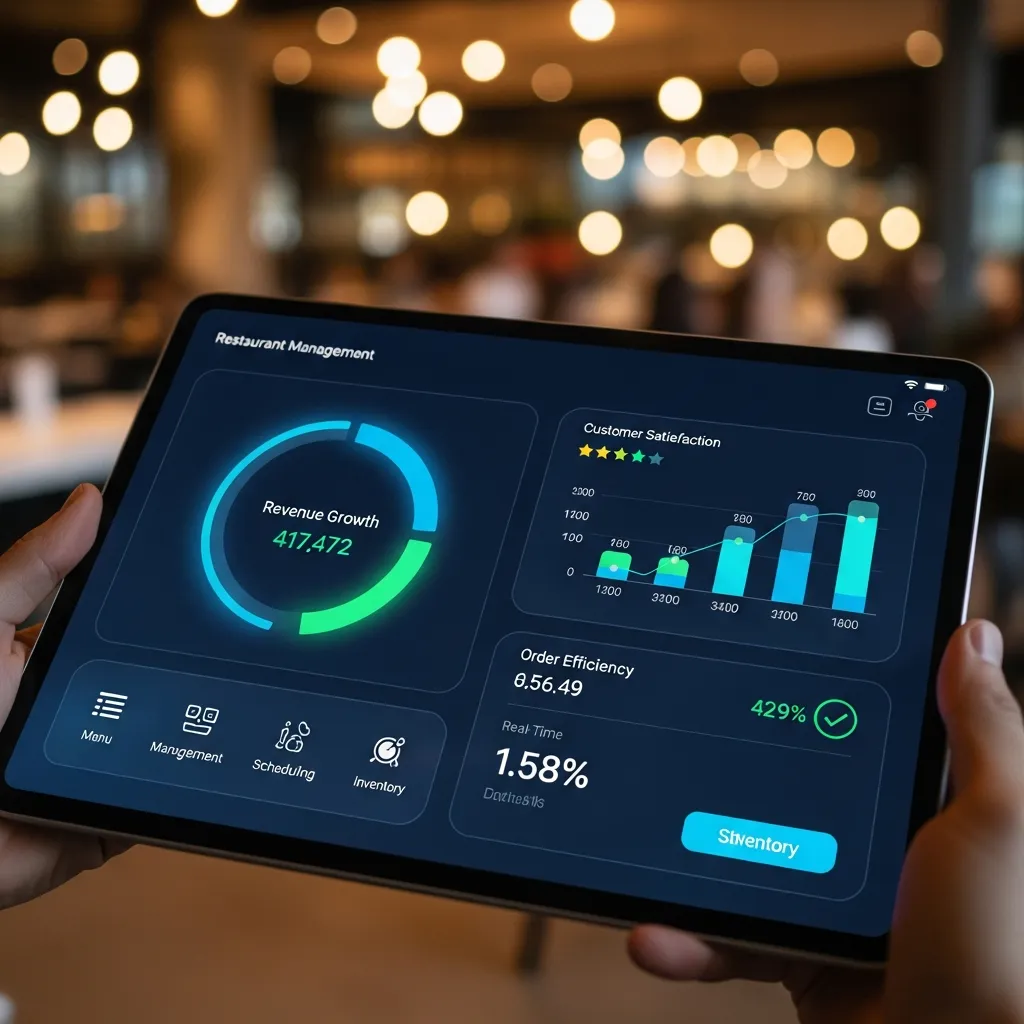
Rethinking how you attract and retain patrons is essential for sustained success. Effective digital marketing for restaurants goes far beyond simply posting photos of food; it requires a cohesive strategy that connects your brand with the community at every digital touchpoint. By optimizing your online presence, engaging authentically on social media, and utilizing data to refine your approach, you can build a loyal customer base that consistently fills your dining room and drives online orders.
Start by auditing your current website and Google Business Profile, then gradually implement email marketing and targeted advertising to see immediate improvements in your reservations and revenue.
Frequently Asked Questions (FAQs)
A. How can digital marketing help a small restaurant?
It levels the playing field, allowing small independent restaurants to reach local customers affordably through targeted ads, social media, and local SEO without needing a massive traditional advertising budget.
B. What are the most effective social media platforms for restaurants?
Instagram and TikTok are the most effective due to their highly visual nature, making them perfect for showcasing food, ambiance, and behind-the-scenes kitchen action.
C. How important are online reviews for restaurants?
They are incredibly important. The majority of diners read reviews before visiting a new restaurant. High ratings on Google and Yelp directly influence foot traffic and trust.
D. How can I get more online reservations?
Optimize your Google Business Profile with a direct booking button, ensure your website has an easy-to-use mobile reservation widget, and run local ads directing users to your booking page.
E. What is local SEO for restaurants?
Local SEO involves optimizing your online presence to appear in localized search results, such as when someone searches for “restaurants near me.” It relies heavily on Google My Business and local directory consistency.
F. How often should restaurants post on social media?
Aim for consistency over volume. Posting 3-4 high-quality photos or videos per week on your main feed, alongside daily interactive Stories, keeps your audience engaged without overwhelming them.
G. What are some budget-friendly digital marketing strategies for restaurants?
Claiming and optimizing your Google Business Profile is free. Encouraging user-generated content, building an organic email list, and engaging with the local community in Facebook groups also cost nothing but time.
H. How can I use email marketing to increase repeat business?
Send personalized offers to your subscribers, announce new seasonal menus, and set up automated campaigns for customer birthdays or anniversaries to encourage them to celebrate at your venue.
I. What is Customer Journey Mapping in the context of restaurants?
Customer journey mapping is the process of visualizing the steps a diner takes from initially discovering your restaurant online to dining in and eventually becoming a loyal, repeat customer.
J. How can I Boost E-commerce Sales for my restaurant?
Promote your branded merchandise and signature packaged goods through targeted social media ads, offer free shipping or local delivery incentives, and bundle retail items with popular food orders.
K. What are the benefits of using Digital Marketing for Restaurants?
Benefits include increased visibility, higher reservation numbers, improved brand awareness, the ability to target local customers precisely, and measurable ROI compared to traditional marketing.
L. How can I measure the ROI of my Digital Marketing for Restaurants efforts?
Use tools like Google Analytics and social media insights to track website traffic, online reservation conversions, cost-per-click on ads, and overall sales generated from specific promotional codes.



Leave a Reply