

Unlocking e-commerce growth with digital marketing requires a clear plan, the right channels, and consistent execution. When done correctly, digital marketing for e-commerce helps online stores attract targeted traffic, convert visitors into paying customers, and turn one-time buyers into loyal brand advocates.
Having a fantastic product is no longer enough to guarantee sales. Millions of online stores are fighting for consumer attention. This fierce competition makes digital marketing for e-commerce an absolute necessity. Without a strong online presence, even the best products will remain hidden from potential buyers.
Reading this guide will give you a comprehensive understanding of the strategies, tactics, and future trends shaping the online retail space. You will learn how to structure your campaigns, optimize your store for conversions, and apply advanced techniques to scale your revenue.
Understanding Digital Marketing for E-commerce
What is Digital Marketing for E-commerce?
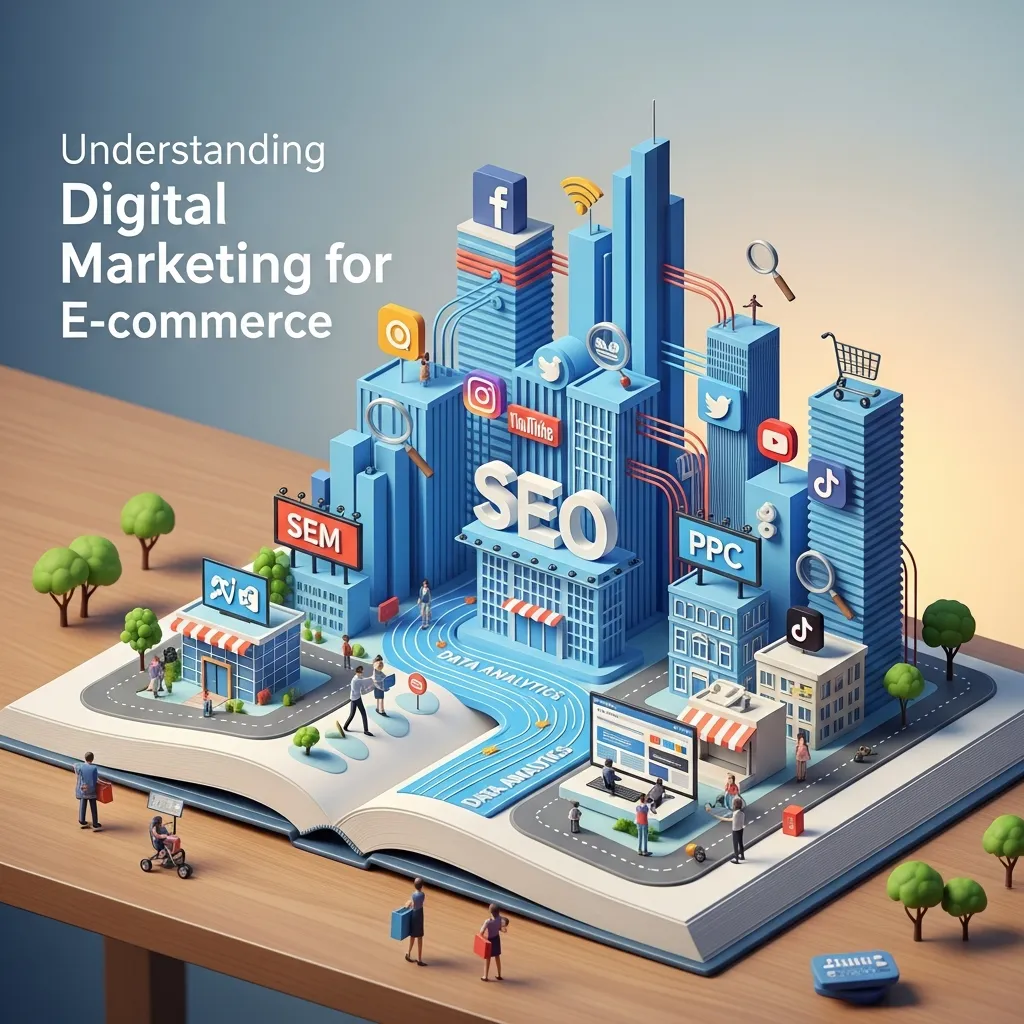
Digital marketing for e-commerce refers to the promotional strategies and tactics used to drive traffic to an online store and generate sales. It covers a broad range of online channels, including search engines, social media platforms, email, and paid advertising networks. The primary goal is always to guide a potential customer through the buying journey, from brand awareness to a completed purchase.
Key Pillars of an Effective E-commerce Digital Marketing Strategy
A successful approach to digital marketing for e-commerce rests on several core pillars. You need a mix of organic traffic generation, paid advertising, relationship building, and continuous optimization. Focusing on only one channel usually limits growth. A balanced strategy ensures you reach customers at different stages of their buying journey.
Essential Digital Marketing Strategies for E-commerce
Search Engine Optimization (SEO) for E-commerce
Search engine optimization is the foundation of long-term digital marketing for e-commerce. It helps your store rank higher in Google search results, driving free, highly targeted traffic.
On-Page SEO: Product Pages, Category Pages
Every product and category page needs careful optimization. This involves placing relevant keywords in the title tags, meta descriptions, and product descriptions. Clear, detailed product descriptions help search engines understand what you are selling while providing value to the shopper.
Technical SEO: Site Speed, Mobile-Friendliness
Search engines reward fast, mobile-friendly websites. If your store takes too long to load, visitors will leave, and your rankings will drop. Technical SEO for e-commerce also involves creating a clean URL structure and submitting an XML sitemap.
Off-Page SEO: Backlinks, Brand Mentions
Building authority requires off-page SEO. Earning backlinks from reputable blogs, news sites, and industry directories signals to search engines that your store is trustworthy.
Content Marketing for E-commerce
Content marketing supports your SEO efforts and builds trust with your audience. It proves your expertise and helps customers make informed buying decisions.
Blog Posts, Guides, and How-To’s
Writing helpful articles can capture shoppers who are researching solutions. For example, a store selling outdoor gear might write a guide on choosing the best hiking boots. This content naturally attracts potential buyers.
Product-Focused Content and Lifestyle Photography
High-quality visuals are crucial for digital marketing for e-commerce. Lifestyle photography helps customers visualize using the product in their daily lives.
Video Marketing and User-Generated Content
Videos demonstrating how a product works can significantly increase conversion rates. Furthermore, encouraging customers to share their own photos and videos acts as powerful social proof.
Social Media Marketing for E-commerce
Social media platforms are excellent for building brand awareness and fostering a community around your products.
Platform Selection: Instagram, Facebook, TikTok, Pinterest
You do not need to be on every platform. Visual platforms like Instagram and Pinterest are highly effective for digital marketing for e-commerce. TikTok works exceptionally well for engaging younger demographics with short, entertaining videos.
Engaging Content and Community Building
Consistently posting engaging content keeps your brand top of mind. Run polls, ask questions, and respond to comments to build a loyal community.
Paid Social Media Advertising
Organic reach on social media can be limited. Paid social media ads allow you to target specific demographics, interests, and behaviors, ensuring your products reach the right people.
Email Marketing and Automation
Email marketing remains one of the most profitable channels in digital marketing for e-commerce.
Building an Email List
Offer a small discount or free shipping in exchange for an email address. A strong email list gives you a direct line to interested buyers.
Segmentation and Personalization
Sending the same email to everyone reduces effectiveness. Segment your list based on past purchases or browsing behavior to send highly personalized offers.
Abandoned Cart Campaigns, Welcome Series, Promotional Emails
Automated sequences save time and recover lost sales. An abandoned cart email reminds shoppers of what they left behind. A welcome series introduces new subscribers to your brand story.
Paid Advertising (PPC) for E-commerce
Pay-per-click advertising provides immediate visibility and traffic, making it a staple of digital marketing for e-commerce.
Google Ads: Search and Shopping Campaigns
Google Shopping campaigns display your product image, price, and reviews directly in the search results. Search ads capture shoppers actively looking for specific products.
Social Media Ads: Retargeting, Lookalike Audiences
Retargeting ads show your products to people who have already visited your store. Lookalike audiences help you find new customers who share traits with your best existing buyers.
Understanding ROAS (Return on Ad Spend)
Tracking your ROAS ensures your advertising campaigns remain profitable. If you spend $100 on ads and generate $500 in sales, your ROAS is 5:1.
Influencer Marketing for E-commerce
Partnering with influencers allows you to tap into existing, highly engaged audiences.
Identifying Relevant Influencers
Look for influencers whose followers match your ideal customer profile. Micro-influencers often have higher engagement rates than massive celebrities.
Collaboration Strategies and Performance Tracking
Provide influencers with unique discount codes or affiliate links. This makes it easy to track how many sales their promotions generate.
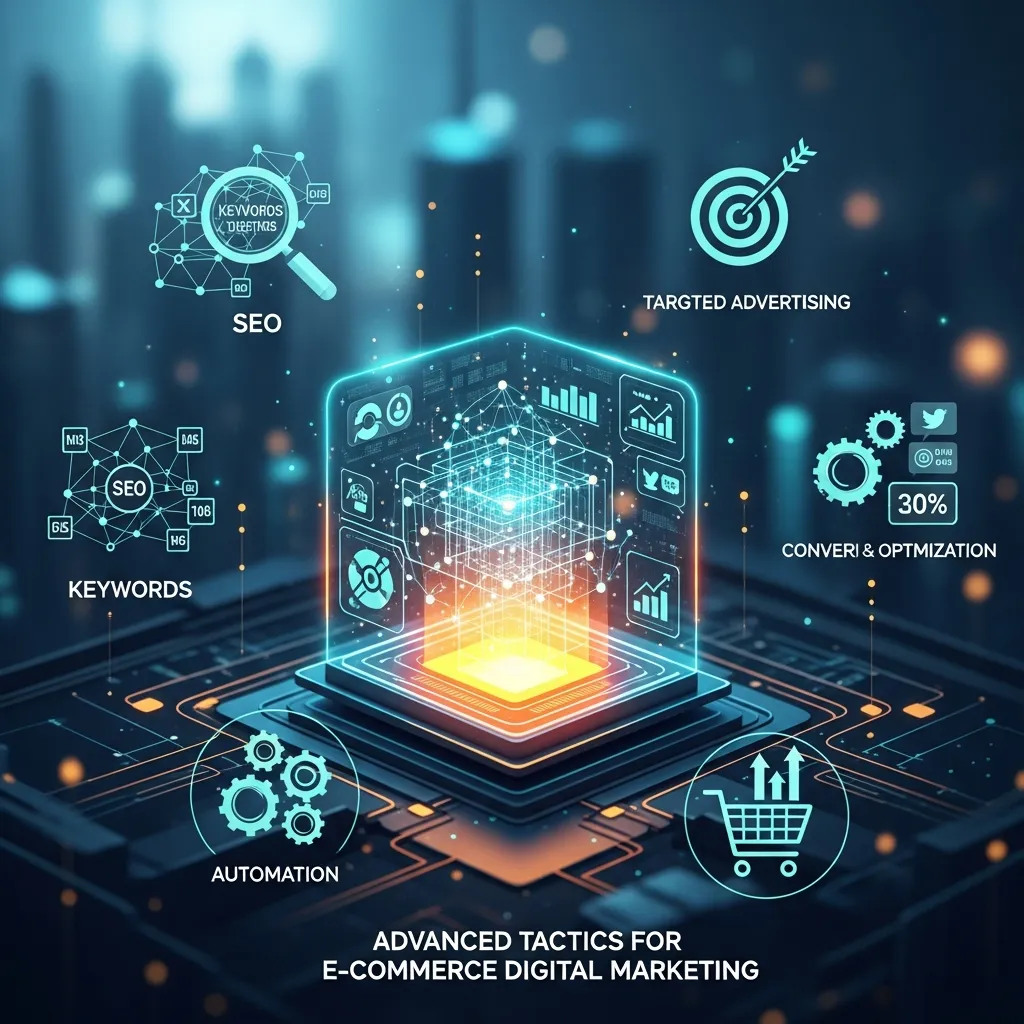
Advanced Tactics for E-commerce Digital Marketing
Conversion Rate Optimization (CRO)
Getting traffic to your site is only half the battle. Conversion rate optimization focuses on turning a higher percentage of those visitors into buyers.
Website Design and User Experience (UX)
A clean, intuitive website design builds trust. Ensure your checkout process is as simple as possible.
A/B Testing and Heatmaps
Use A/B testing to compare two versions of a webpage to see which performs better. Heatmaps show you exactly where visitors are clicking and scrolling.
Analytics and Data-Driven Decision Making
Successful digital marketing for e-commerce relies heavily on data.
Google Analytics for E-commerce
Setting up Google Analytics allows you to track where your traffic is coming from, which products are popular, and where users drop off.
Key Performance Indicators (KPIs) to Track
Monitor metrics like customer acquisition cost (CAC), average order value (AOV), and customer lifetime value (LTV).
Leveraging Customer Reviews and Testimonials
Displaying customer reviews on your product pages reduces perceived risk for new buyers. Positive testimonials act as a powerful form of digital word-of-mouth.
Personalization and Customer Loyalty Programs
Rewarding repeat buyers encourages them to keep coming back. Implement a loyalty program that offers points or discounts for every purchase.
Digital Marketing for Different E-commerce Niches
Digital Marketing for Real Estate
While distinct from retail, understanding cross-industry tactics is useful. Digital marketing for real estate relies heavily on lead generation, virtual tours, and hyper-local SEO. E-commerce businesses can learn from real estate’s focus on high-quality visuals and trust-building localized content.
Strategies for Luxury E-commerce Brands
Luxury e-commerce brands must maintain an aura of exclusivity. Digital marketing for e-commerce in the luxury space focuses heavily on brand storytelling, high-end aesthetics, and highly targeted, limited-reach advertising rather than mass discounting.
Common Challenges and How to Overcome Them
Competing in a Crowded Market
Standing out requires a unique value proposition. Focus on exceptional customer service, unique product features, or a highly specific niche.
Managing Ad Spend and ROI
Ad costs can spiral out of control without proper oversight. Set strict daily budgets and constantly review your campaigns to pause underperforming ads.
Adapting to Algorithm Changes
Search engines and social platforms frequently update their algorithms. Protect your business by diversifying your traffic sources rather than relying solely on one platform.
The Future of Digital Marketing for E-commerce
AI and Machine Learning in E-commerce Marketing
Artificial intelligence is transforming digital marketing for e-commerce. AI tools can predict purchasing behavior, personalize product recommendations, and write optimized product descriptions at scale.
Voice Search Optimization
As smart speakers become more common, optimizing for voice search is becoming critical. This means targeting conversational, long-tail keywords that people are likely to speak aloud.
Immersive Shopping Experiences (AR/VR)
Augmented reality allows customers to visualize products in their homes before buying. This technology drastically reduces return rates and increases buyer confidence.
Securing Long-Term E-commerce Success

A successful approach to digital marketing for e-commerce requires constant testing, learning, and adaptation. By mastering search engine optimization, leveraging social media, and refining your email campaigns, you can build a sustainable and highly profitable online store.
The strategies discussed in this guide provide a robust framework. Start by optimizing your website, setting up automated email flows, and testing a small paid advertising campaign. The continuous evolution of digital marketing for e-commerce means there will always be new channels to explore and new tactics to test.
Frequently Asked Questions
1. What is the most effective digital marketing strategy for a new e-commerce store?
For quick visibility, a combination of Google Shopping ads and targeted social media ads works best. Concurrently, start building your SEO and email list for long-term growth.
2. How can I measure the ROI of my digital marketing efforts?
Track your total revenue generated from a specific channel and divide it by the total cost of that marketing campaign. Tools like Google Analytics make this tracking easy.
3. What role does SEO play in e-commerce success?
SEO is crucial for driving consistent, free traffic. A well-optimized store will continuously attract buyers actively searching for your products.
4. Is social media marketing essential for all e-commerce businesses?
Yes. Even if you do not run paid ads, having an active social media presence builds trust and provides a platform to communicate directly with your customers.
5. How often should I send email marketing campaigns?
Most e-commerce stores find success sending 1 to 2 promotional emails per week. Automated triggers, like abandoned cart emails, should run constantly in the background.
6. What are common mistakes to avoid in e-commerce digital marketing?
Common mistakes include ignoring mobile optimization, having a complicated checkout process, and failing to collect email addresses from website visitors.
7. How can small e-commerce businesses compete with larger brands?
Small businesses can compete by offering exceptional, personalized customer service, targeting highly specific niche markets, and creating authentic, relatable content.
8. What is conversion rate optimization (CRO) and why is it important?
CRO is the process of improving your website to increase the percentage of visitors who make a purchase. It is important because it allows you to generate more revenue from your existing traffic without spending more on ads.
9. How much should I spend on digital marketing for e-commerce?
Many new businesses allocate 10% to 20% of their projected revenue to marketing. Adjust this budget based on your profit margins and how aggressively you want to grow.
10. Can influencer marketing work for small budgets?
Yes. Partnering with micro-influencers (those with 1,000 to 10,000 followers) is often very affordable. You can sometimes compensate them with free products instead of cash.
11. Which platform is best for e-commerce advertising?
Google Ads is generally best for capturing high-intent buyers, while Meta (Facebook and Instagram) is excellent for visually showcasing products and generating brand awareness.
12. How long does it take to see results from digital marketing for e-commerce?
Paid advertising can generate sales within hours. However, organic strategies like SEO and content marketing typically take three to six months to show significant results.



Leave a Reply