

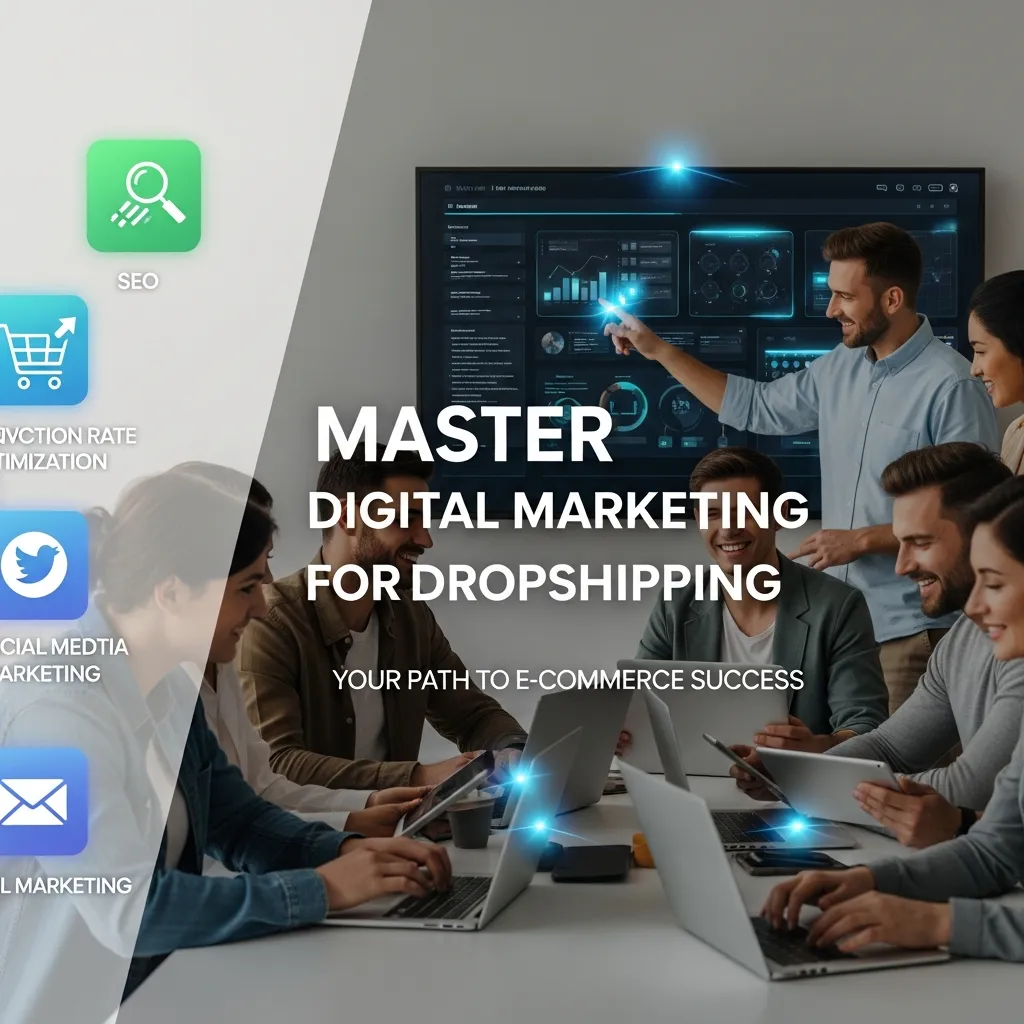
An in-depth guide to mastering Digital Marketing for Dropshipping, covering essential strategies, SEO techniques, and effective e-commerce marketing to drive traffic and sales for your dropshipping business.
Digital marketing is the engine that drives modern e-commerce. When you run a dropshipping business, your primary focus shifts away from inventory management and logistics, placing almost all the emphasis on how well you can attract and convert customers. Without physical products to showcase in a storefront, your online presence is your only connection to potential buyers.
Understanding Digital Marketing for Dropshipping requires a strategic approach to online visibility. It means building campaigns that grab attention, rank well on search engines, and persuade visitors to click the buy button. You have to stand out against competitors selling the exact same products. This comprehensive overview serves as The Guide to Digital Marketing for E-Commerce, specifically tailored to the unique demands of the dropshipping model.
By applying these proven marketing strategies, you can turn a basic online storefront into a highly profitable business. Let’s look at the foundational steps and advanced tactics needed to grow your brand.
Building Your Dropshipping Foundation

Niche Selection and Product Research
Success starts before you ever launch an ad. Selecting a specific niche allows you to target a defined audience rather than competing against massive general retailers. Use tools like Google Trends and product research software to find items with high demand and low market saturation.
Setting Up Your E-commerce Store
Your website is the core of Digital Marketing for Dropshipping. Platforms like Shopify or WooCommerce make it simple to build a professional, responsive store. Ensure your site loads quickly, features high-quality product images, and has a seamless checkout process.
Understanding Your Target Audience
Knowing your customer dictates your entire marketing strategy. Create detailed buyer personas mapping out demographics, interests, and pain points. This information determines which platforms you use, the tone of your copy, and the type of content you create.
Essential Digital Marketing Strategies for Dropshipping
Search Engine Optimization (SEO) for Dropshipping
Keyword Research and Optimization
Identify what potential customers type into search engines when looking for your products. Use tools like Ahrefs or SEMrush to find keywords with high search volume and low competition. Integrate these keywords naturally into your URLs, product titles, and meta descriptions.
On-Page SEO
Avoid copying manufacturer product descriptions. Write unique, engaging copy that highlights the benefits of the product. Publishing relevant blog posts also helps you rank for informational keywords, driving organic traffic to your store.
Technical SEO Basics
Search engines favor websites that provide a great user experience. Make sure your store is mobile-friendly, has a logical site architecture, and utilizes internal linking to help search engine crawlers index your pages.
SEO in Digital Marketing Guide: Link Building Strategies
Earning backlinks from reputable websites signals authority to search engines. Reach out to bloggers in your niche for product reviews or contribute guest posts to industry publications. This is a crucial element outlined in any comprehensive SEO in Digital Marketing Guide.
Social Media Marketing
Choosing the Right Platforms
Not all social networks fit every product. Instagram and TikTok work incredibly well for highly visual, trendy items. Pinterest is excellent for home decor and fashion. Facebook remains a powerhouse for broad audience targeting.
Content Strategy for Engagement
Post consistently. Share user-generated content, behind-the-scenes looks, and interactive polls. The goal is to build a community around your niche rather than simply blasting promotional links.
Paid Social Media Advertising
Facebook and Instagram ads are a staple in Digital Marketing for Dropshipping. They offer granular targeting options based on user behavior and interests. Start with small budgets to test different ad creatives and audiences before scaling up the campaigns that generate sales.
Content Marketing
Blog Posts and Articles
A well-maintained blog educates your audience and builds trust. Write how-to guides, listicles, and industry news related to your niche. This drives organic traffic and gives you valuable material to share on social media.
Video Marketing
Video content converts exceptionally well. Create short, engaging clips demonstrating how your product solves a problem. These videos can be used organically on TikTok and YouTube Shorts, or as highly effective paid ads.
Infographics and Visual Content
Infographics present complex information in an easily digestible format. They are highly shareable, making them an excellent tool for generating backlinks and driving traffic from platforms like Pinterest.
Email Marketing
Building Your Email List
Offer a discount code or a free digital guide in exchange for an email address. A popup on your website is an effective way to capture leads before they leave your store.
Automated Email Sequences
Set up automated flows to nurture leads and recover lost sales. A welcome series introduces new subscribers to your brand. An abandoned cart sequence reminds shoppers of the items they left behind, often recovering up to 10% of lost revenue.
Newsletter Strategies
Keep your audience engaged with regular newsletters. Share new product launches, exclusive discounts, and your best-performing blog content.
Paid Advertising (PPC)
Google Ads for Dropshipping
Capture high-intent buyers actively searching for your products. Google Shopping ads display your product image and price directly in the search results, leading to high conversion rates.
Bing Ads
Often overlooked, Bing Ads generally feature lower cost-per-click (CPC) rates than Google. It represents a cost-effective way to reach an older, higher-income demographic.
Retargeting Campaigns
Most visitors will not buy on their first visit. Retargeting ads display your products to users who previously visited your site as they browse other websites or social media platforms, keeping your brand top-of-mind.
Advanced Digital Marketing Tactics

Influencer Marketing
Partner with influencers who have an engaged following in your niche. Send them free products in exchange for an honest review or a dedicated post. This leverages their established trust to drive sales for your store.
Affiliate Marketing
Create an affiliate program where partners earn a commission for every sale they generate. This incentivizes bloggers, creators, and even your own customers to promote your dropshipping store on your behalf.
Conversion Rate Optimization (CRO)
Small tweaks to your website can drastically improve sales. A/B test different elements like button colors, product descriptions, and pricing strategies. Simplify the checkout process to reduce friction.
Analytics and Tracking
Install Google Analytics and the Facebook Pixel immediately. These tools track user behavior, helping you understand which marketing channels drive the most revenue. Use this data to optimize your campaigns and eliminate wasted ad spend.
Overcoming Challenges in Digital Marketing for Dropshipping
Competition
The barrier to entry for dropshipping is low, resulting in high competition. Stand out by building a strong brand identity, offering exceptional customer service, and utilizing creative, high-quality marketing materials.
Ad Spend Optimization
It is easy to burn through cash quickly with paid ads. Monitor your return on ad spend (ROAS) daily. Pause underperforming ads and reallocate that budget to the campaigns generating a positive return.
Building Brand Trust
Consumers are wary of unfamiliar online stores. Include customer reviews, clear return policies, and secure payment badges on your site. Transparency about shipping times also helps manage expectations and build long-term trust.
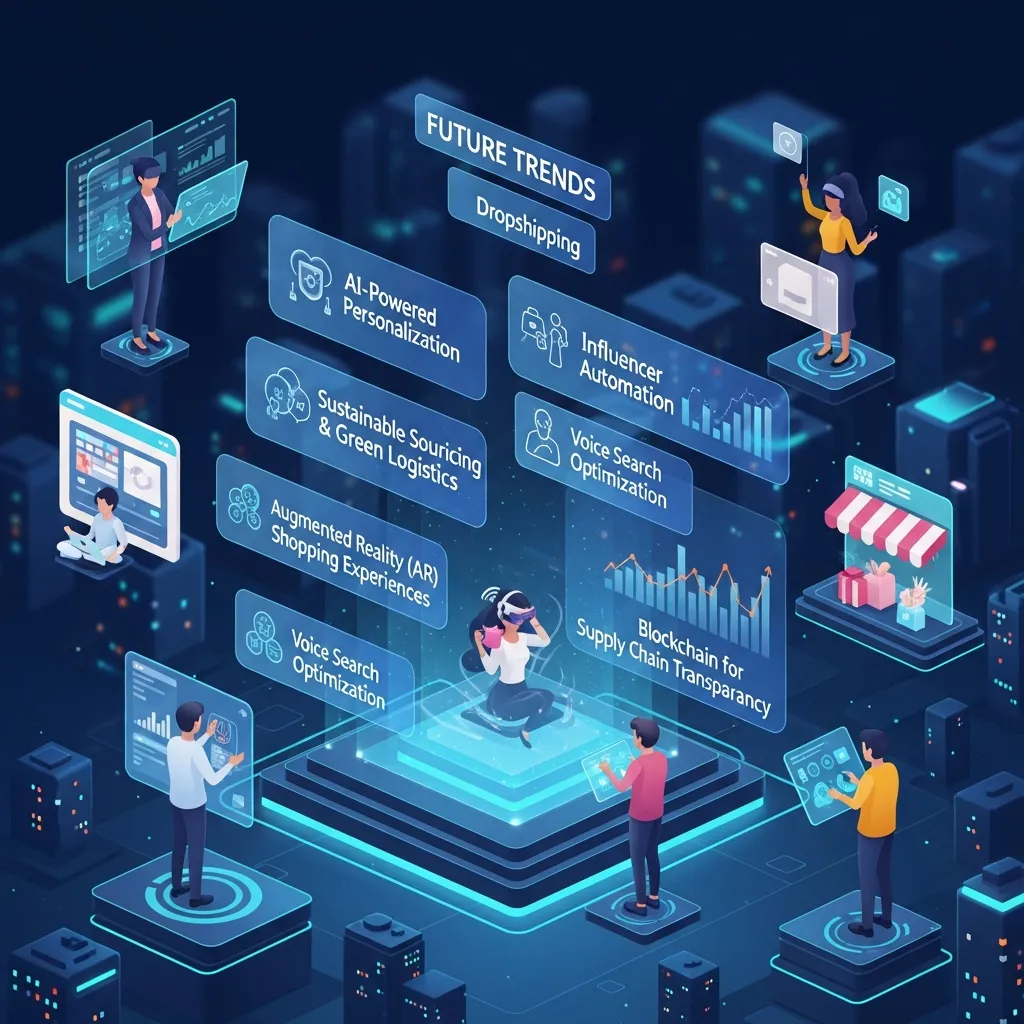
Frequently Asked Questions – Digital Marketing for Dropshipping
1. What is the most effective digital marketing strategy for a new dropshipping store?
For immediate traffic, paid social media advertising (like Facebook and TikTok ads) is highly effective. It allows you to target specific audiences and test product viability quickly.
2. How can SEO help my dropshipping business?
SEO drives free, organic traffic to your store over time. By ranking high for relevant keywords, you attract customers actively searching for your products without paying for every click.
3. Is social media advertising necessary digital marketing for dropshipping?
While not strictly mandatory, it is highly recommended. Social media ads provide the fastest way to get your products in front of a targeted audience, which is crucial for early growth.
4. What are some common mistakes in digital marketing for dropshipping?
Common mistakes include ignoring SEO, using low-quality ad creatives, neglecting email marketing, and failing to track analytics to optimize ad spend.
5. How often should I send email marketing campaigns?
Aim for a balanced approach, typically 1-2 times a week. Focus on providing value through educational content and exclusive offers rather than just pushing sales.
6. What is the role of content marketing in dropshipping?
Content marketing builds brand authority and trust. Publishing blogs and videos educates your audience, aids in SEO, and provides material to share across social channels.
7. How can I track the performance of my digital marketing efforts?
Use tools like Google Analytics, the Facebook Pixel, and your e-commerce platform’s built-in reporting to track traffic sources, conversion rates, and return on ad spend.
8. What is “The Guide to Digital Marketing for E-Commerce” and how does it apply to dropshipping?
The Guide to Digital Marketing for E-Commerce is a comprehensive framework covering SEO, paid ads, and retention strategies. For dropshipping, it emphasizes customer acquisition and brand building, since inventory is handled by suppliers.
9. How important is video marketing for dropshipping products?
Extremely important. Video allows you to demonstrate the product’s value and functionality, which significantly increases conversion rates compared to static images.
10. Can I use free digital marketing for dropshipping?
Yes. SEO, organic social media posting (especially on TikTok and Instagram Reels), and content marketing are excellent free strategies, though they require more time to yield results than paid ads.
11. What is SEO in Digital Marketing Guide and why is it important for dropshippers?
An SEO in Digital Marketing Guide provides the tactics needed to optimize a website for search engines. For dropshippers, it’s vital for reducing reliance on paid ads by securing long-term, organic traffic.
12. How do I choose the right platform for my dropshipping ads?
Base your choice on your target audience and product type. Visual products perform well on Instagram and TikTok, while search-intent products do best on Google Ads.



Leave a Reply