

You’ve got to have your head around SEO in digital marketing if you want to attract traffic, increase visibility, and stay competitive in the digital space. Whether you’re just starting with SEO or hoping to build on an existing foundation, this guide will answer all your questions. From doing keyword research to monitoring your web traffic, we guide you on how SEO can help you optimize your digital marketing campaign.
What is SEO & Why is It Key to Digital

SEO, or Search Engine Optimization, is the practice of optimizing your website to perform better in search engine results pages (SERPs). It involves a combination of strategies, including creating high-quality content, improving technical elements of your website, enhancing user experience, and building authority through backlinks. The ultimate goal of SEO is to make your website more visible to search engines and users alike, helping your pages rank higher and attract relevant organic traffic.
So, why does SEO matter in digital marketing? The answer lies in user behavior: 93% of online experiences begin with a search engine, and over 75% of clicks go to websites listed on the first page of Google. This means that no matter how strong your social media or paid advertising efforts are, without SEO in digital marketing, your website risks being invisible to potential customers actively searching for your products or services.
A solid SEO strategy ensures that your content reaches the right audience at the right time. By optimizing for search intent and providing value, SEO in digital marketing helps businesses build credibility, increase online visibility, and drive sustainable traffic that supports long-term growth. In essence, SEO transforms your digital marketing efforts from just promotional activities into a measurable, results-driven strategy that delivers consistent returns.
Marketing?
SEO (Search Engine Optimization) is the process of optimizing your website to perform better in search engine results, ensuring that your content is discoverable by the right audience. This involves multiple aspects, from creating high-quality, relevant content that addresses user intent, to optimizing technical elements like site speed, mobile responsiveness, and structured data, as well as establishing authority through backlinks and social signals. In short, SEO helps search engines understand your site, rank it higher, and deliver it to people actively searching for what you offer.
But why does SEO matter in digital marketing? 93% of online experiences begin with a search engine, and over 75% of clicks go to websites listed on the first page of Google. Without SEO in digital marketing, even the best social media or paid campaigns risk leaving your website invisible to potential customers. For more insight, check our guide on How to Become a Digital Marketing Expert. By integrating SEO in digital marketing, you ensure that your brand is easily found, your target audience can discover your products or services, and your marketing efforts generate measurable, long-term results. Ultimately, SEO doesn’t just attract traffic; it builds credibility, enhances brand visibility, and drives sustainable growth for your business.
What You Will Get Out of This Blog:
- Researching and using keywords the right way is perfect.
- Strategies to better on-page and off-page SEO.
- The significance of analytics in tracking your success.
By the time we’re done, you’ll know how to use SEO in your digital marketing strategy.
Keyword Research
Why Keywords Matter in SEO
Keywords are what make fail or a site’s success in terms of SEO. They connect your content with queries your audience makes on search engines. The proper keywords will allow your website to show in the right searches, drawing in organic traffic.
How to Find the Best Keywords
- Leverage Keyword Research Tools: You can use tools like Google Keyword Planner, SEMrush, or Ahrefs to uncover high-volume and low-competition keywords.
- Brainstorm User Intent: What would people search for to find this content? For example, if you’re a small business that provides graphic design, users may be searching for “affordable graphic design services” or “best graphic designers for startups.”
- Competitors Research: Look at what keywords your niche leaders get ranked for. Uber suggest can help you see their best-performing keywords.
Your Best Friend Will Be Long-Tail Keywords
Short-tail keywords, such as “shoes” or “SEO,” appeal to wide audiences, but they are also extremely competitive. Long-tail keywords such as “best running shoes for women” or “how to boost SEO for blogs” are more targeted, have less competition and often convert better.
Pro tip: Don’t forget to balance broad, high-volume keywords with your keyword strategy with those that are more intent targeting long-tail keywords.
On-Page Optimization
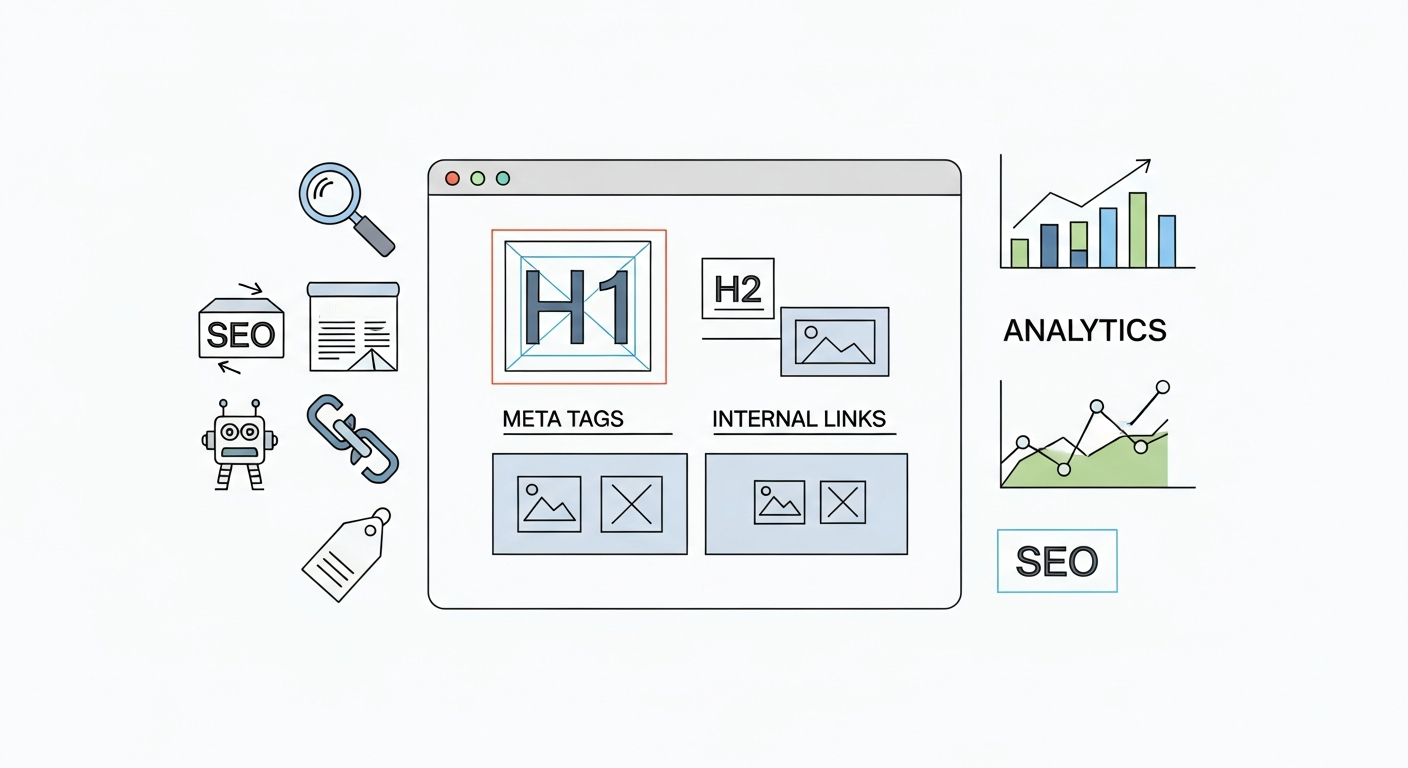
On-page SEO refers to strategies applied directly on your website to improve rankings. This includes title tags, meta descriptions, content quality, image optimization, internal linking, and mobile responsiveness. Optimizing these elements ensures search engines can crawl and index your pages effectively. Learn more about creating successful campaigns in How to Build a Digital Marketing Plan.
What is On-Page SEO?
The methods you use directly on your website to enhance its ranking are known as on-page SEO. These are the quality of the content, HTML tags, and the usability of the site.
Fundamental Components of On-Page
Optimization
(一). Title
Titles must be concise. The title represents the title of website. Each should be indicated with a “longtext” descriptive text.
Here is what to pay attention to:
- Title Tags - Meta Descriptions: Write compelling and keyword rich title tags and meta descriptions. Make sure that your meta description accurately represents what is on the page.
Example for this blog: “Discover the essential tactics for being successful at SEO with digital marketing, and what you should include in your keyword research, seeking out optimization, analysis, and more.” - Quality Content: Focus on quality and engaging content writing. And it has to be more than just an answer to the reader’s question – it has to read nicely and be scannable. Give me a heading, a bullet point and some bolds to break things up for me.
- Optimize Images: Reduce the size of your images to load faster and include alt texts to be accessible and let search engines better understand the content.
- Internal Linking: Guide visitors (and Google’s bots) around your site with ease by linking to other relevant content on your site. For instance, if you’re discussing blogs, you can internal link to a blog you wrote, “5 Content Marketing Mistakes to Avoid.”
- Mobile Friendliness: More than 50% of the traffic is mobile. Make sure your site is responsive and loads quickly. Test your website compatibility using Google’s Mobile-Friendly Test.
Off-Page Optimization
Constructing Authority Off Your Website
Off-page SEO refers to techniques that take place beyond your website but have an impact on your site’s rankings. The objective is to increase your domain authority and help search engines trust your site.
Link Building Strategies
So here’s how to build backlinks that help:
- Produce Content That Provides Value: Offer unique, valuable content that people will actively seek to link to including guides, infographics, and original research.
- Guest Blogging: Partner with reputable sites within your niche to publish guest posts that link back to your website.
- Naturally Acquire Links: Use social media and email newsletters for sharing the heck out of the content. If your work is shared and resonates, people will come back to you naturally.
Concentrate on quality links from powerful sources—don’t worry too much about numbers. Backlinks that are spammy or from sketchy sources can also hurt your standing.
Social Media’s Role in SEO
Social media doesn’t directly affect your rankings, but it can help your brand get more reach and traffic. Promote your blog posts/videos/promotions on social platforms such as LinkedIn, Twitter, Instagram. That gives a visibility boost, along with secondary benefits such as backlinks and mentions.
Analytics and Tracking
Why Measure SEO Performance?
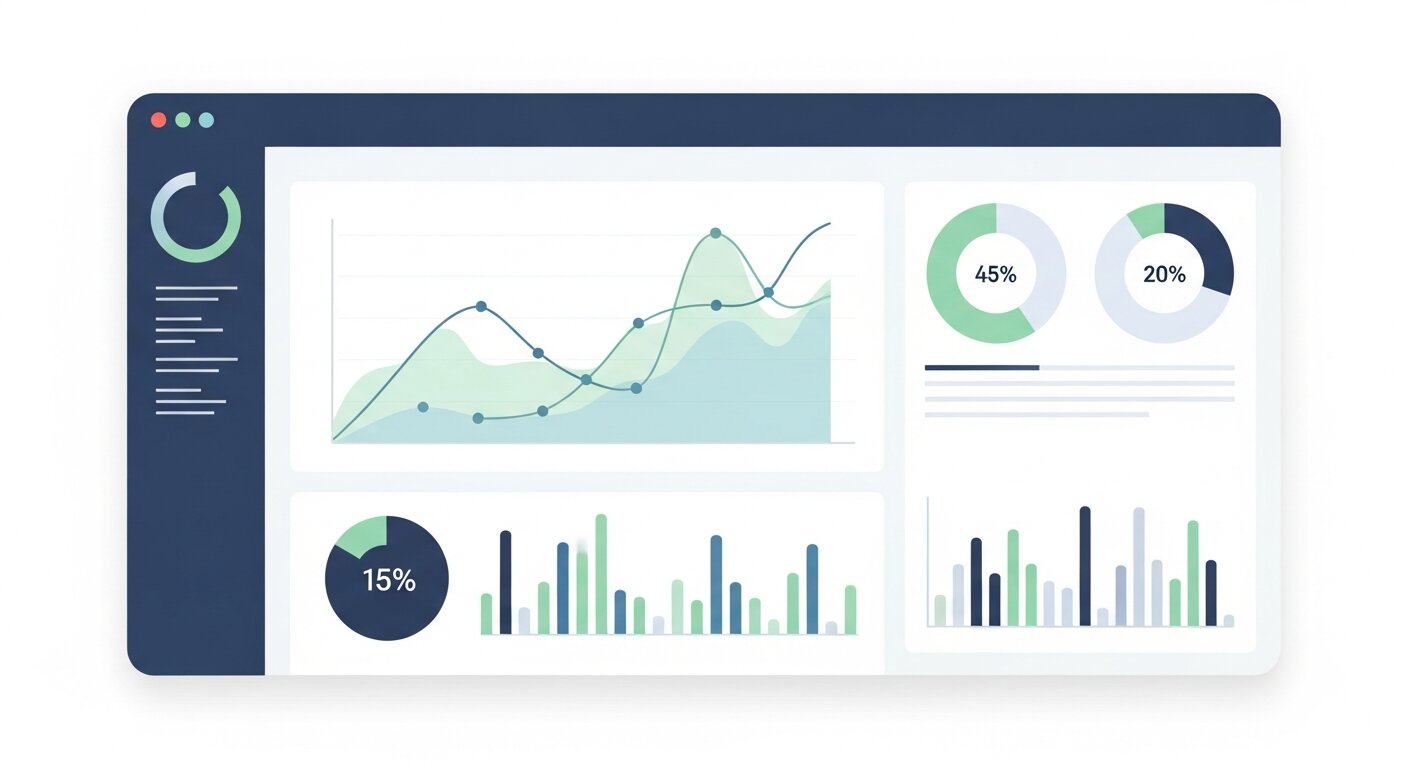
Implementing SEO is just the beginning—its true value comes from measuring how well your efforts perform. Without tracking performance, it’s impossible to know whether your strategies are driving the right traffic, engaging your audience, or generating conversions. Measuring SEO performance allows you to identify what’s working and what needs improvement, helping you make data-driven decisions that refine your campaigns over time. It also helps you understand user behavior, such as which pages attract the most visitors, how long they stay, and where they drop off.
Tools for SEO Analytics play a critical role in this process. Platforms like Google Analytics and Google Search Console provide insights into keyword rankings, organic traffic, click-through rates, and site performance. Advanced tools like Ahrefs, SEMrush, and Moz can track backlinks, competitor activity, and overall domain authority. By continuously monitoring these metrics, you can optimize your content, improve your digital marketing strategy, and maximize the impact of SEO in digital marketing.
- Google Analytics: Monitor where people come from on your website (organic search, paid search, social media, etc.) and the number of conversions.
- Google Search Console: Monitor keyword performance, resolve user experience issues, and monitor clicks and impressions.
- SEO Tools: Ahrefs, Moz and SEMrush provide next level visibility into rankings, backlinks, competitors and more.
Key Metrics to Monitor
- Organic Traffic: Are you seeing an increase in the number of people coming to your site from a search engine?
- Bounce Rate: Are people staying on your page or exiting right away?
- Conversion Rate: Are people coming to your website becoming customers?
These are the kind of metrics that you use to iterate and slowly grow and get better at your SEO strategy that you can never develop when you’re actually an agency.
SEO and Digital Marketing Are Made for Each Other
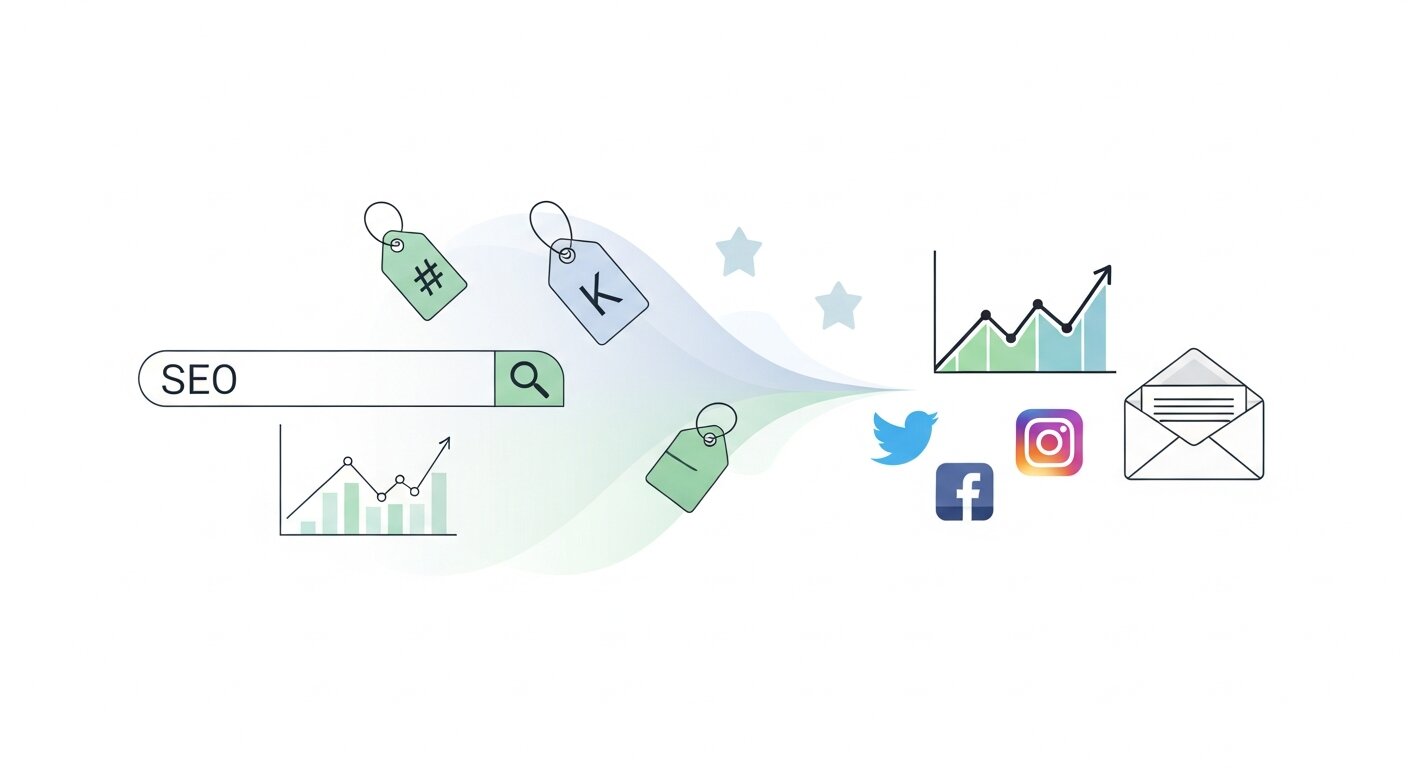
SEO in digital marketing is not just a complementary tool—it is the backbone of any successful online strategy. Digital marketing efforts, whether through content creation, social media campaigns, or paid advertising, can reach their full potential only when supported by effective SEO. Done right, SEO in digital marketing ensures that your website ranks higher in search engine results, attracting consistent organic traffic over time. This sustained visibility not only increases the profiles of your web pages but also builds credibility and trust with your audience. By integrating SEO into your digital marketing strategy, your brand can expand its reach, engage the right users, and achieve long-term growth, turning casual visitors into loyal customers and advocates.
Remember:
- Begin with strong keyword research.
- Optimize on-page and off-page SEO factors.
- Monitor your performance on an ongoing basis and make decisions based on data.
Looking to take your digital marketing to the next level? Begin working out these SEO impact ideas today and you’ll see your online presence take flight!
Whether you’re designing simple contact forms or complex application processes, our Best Practices for Web Form Data Entry will help you build efficient, user-friendly interfaces.
Frequently Asked Questions (FAQ)
What is SEO in digital marketing, and why is it important?
SEO in digital marketing is the practice of optimizing your website to rank higher in search engine results. It increases visibility, drives targeted traffic, and improves conversion opportunities, making it a critical component of any marketing strategy.
How long does it take to see results from SEO?
SEO is a long-term strategy. While some improvements can be seen in a few weeks, meaningful results usually appear within 3–6 months, depending on competition, website authority, and content quality.
Should I focus on on-page or off-page SEO first?
Both are important, but on-page SEO is the foundation. Ensuring your site has optimized content, meta tags, and proper technical setup is crucial before pursuing off-page strategies like link building.
Can social media help with SEO?
While social media doesn’t directly boost search rankings, it can increase content visibility, engagement, and natural backlink opportunities, which indirectly supports SEO in digital marketing.
Are keywords still important in SEO?
Yes, keywords remain vital. They connect your content to search intent. However, modern SEO also considers user experience, content relevance, and search intent, not just keyword density.
How does SEO in digital marketing affect website conversions?
SEO in digital marketing doesn’t just drive traffic—it attracts the right audience. By targeting keywords that match user intent and optimizing landing pages for usability, businesses can turn visitors into leads and customers. A well-executed SEO strategy improves engagement, reduces bounce rates, and ultimately increases conversion rates.
Can SEO in digital marketing help small businesses compete with larger brands?
Yes! SEO in digital marketing allows small businesses to rank for niche and long-tail keywords that larger competitors might overlook. By creating high-quality content, building authoritative backlinks, and optimizing for local searches, smaller brands can achieve visibility and attract targeted traffic without spending heavily on advertising.
What role do content and SEO in digital marketing play together?
Content and SEO in digital marketing go hand in hand. High-quality, relevant content answers user queries, establishes expertise, and provides value, while SEO ensures that content is discoverable in search engines. Together, they improve organic reach, enhance brand authority, and support other marketing channels like social media and email campaigns.
How often should I update my SEO strategy in digital marketing?
SEO in digital marketing is an ongoing process. Search algorithms, user behavior, and industry trends constantly change, so it’s essential to regularly audit your website, update content, and refine keywords. Reviewing analytics monthly or quarterly ensures your SEO efforts remain effective and aligned with business goals.
Is investing in SEO in digital marketing worth it for long-term growth?
Absolutely. While SEO takes time to show results, it offers long-term benefits that paid advertising alone cannot match. SEO in digital marketing builds sustainable organic traffic, strengthens brand credibility, and reduces dependence on paid campaigns. Over time, it becomes a compounding asset that continuously drives growth.



Leave a Reply