

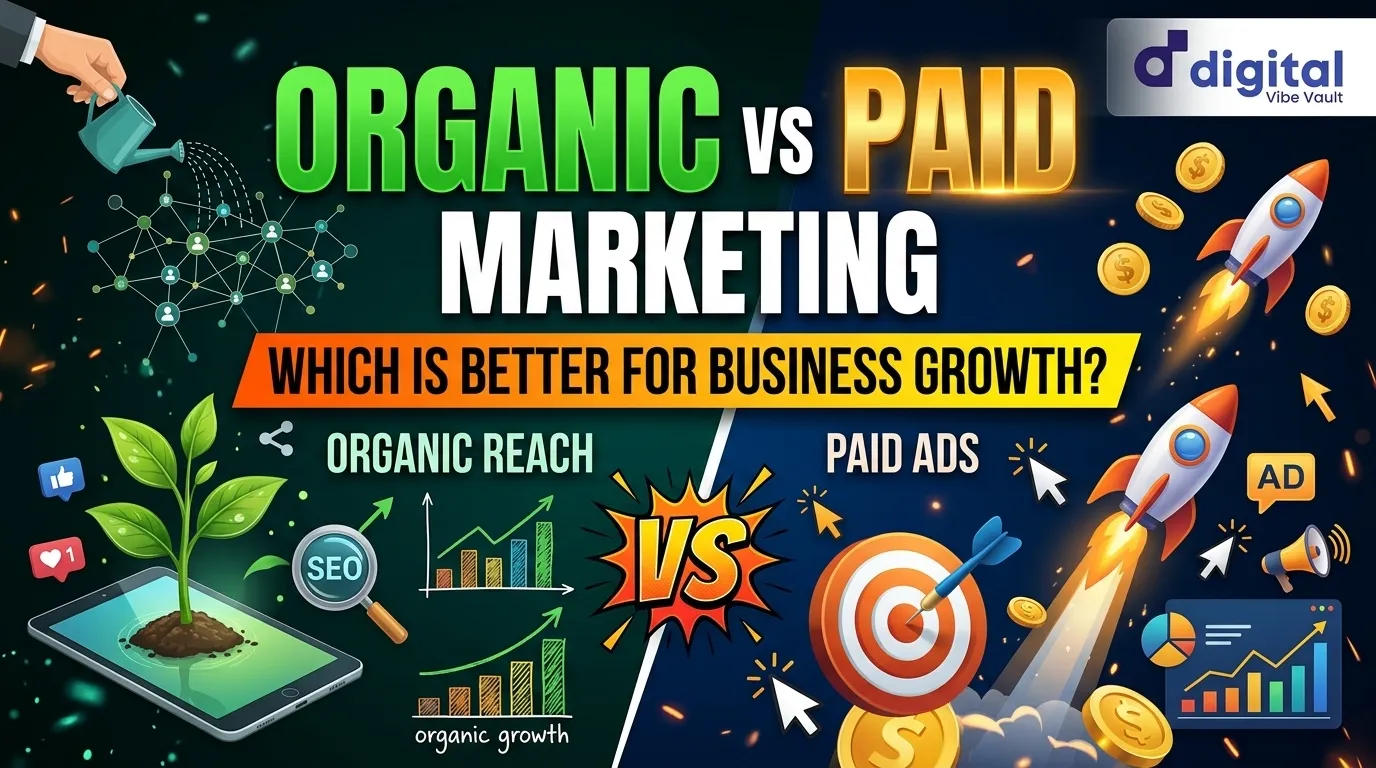
Choosing between organic marketing and paid marketing is an important decision for businesses that want to increase their online visibility, attract potential customers, and generate consistent revenue. Organic marketing focuses on building long-term relationships through valuable content, search engine optimization, social media engagement, and other unpaid strategies. Paid marketing, on the other hand, uses advertising platforms to reach targeted audiences quickly and generate immediate traffic. Understanding organic marketing vs paid marketing helps businesses select the right approach according to their goals, budget, and target audience. Both strategies have unique advantages, and combining them can create a powerful digital marketing plan for sustainable business growth.
Organic Marketing vs Paid Advertising
Marketing plays an essential role in helping businesses connect with their target audience and increase brand awareness. However, not every marketing strategy works in the same way. Organic marketing and paid advertising are two popular approaches that businesses use to promote their products and services online. Although both aim to attract customers and increase sales, their methods, costs, and results are different. Organic marketing focuses on attracting an audience naturally without paying directly for every click or impression. It includes search engine optimization (SEO), content marketing, blogging, email marketing, and social media engagement. Businesses use these methods to build trust, provide useful information, and establish a strong online presence over time.
Paid advertising involves investing money in advertising platforms such as Google Ads, Facebook Ads, Instagram Ads, and other digital advertising networks. Businesses pay to display their advertisements to selected audiences based on interests, demographics, search behavior, and online activities. When comparing organic marketing vs paid marketing, the biggest difference is how businesses attract visitors. Organic strategies generate visibility through valuable content and consistent engagement, while paid advertising purchases visibility to reach potential customers faster.
For example, a business publishing informative blog posts may attract visitors through Google search results without paying for every visitor. In comparison, a company running Google Ads can appear in sponsored search results by paying for advertising placements. Both approaches can produce excellent results when used correctly. The right choice depends on how quickly a business wants to grow and how much it can invest in marketing.
Organic Marketing Strategies
Organic marketing strategies help businesses attract customers naturally by creating valuable experiences and building long-term relationships. Instead of depending entirely on advertising budgets, businesses focus on providing information that answers customer questions and solves their problems. Search engine optimization is one of the most important organic marketing strategies. SEO involves optimizing website content, improving technical performance, researching relevant keywords, and earning quality backlinks. A well-optimized website has a better opportunity to appear in search engine results and attract visitors who are already interested in its products or services. Content marketing is another effective approach. Publishing informative articles, guides, tutorials, and industry insights allows businesses to demonstrate their expertise. High-quality content can attract search traffic, educate potential customers, and encourage visitors to explore a company’s products.
Social media marketing also plays an important role in organic growth. Businesses can share updates, publish educational content, respond to comments, and communicate directly with followers. Consistent engagement helps create a recognizable brand and strengthens customer relationships. Email marketing can support organic growth by keeping existing subscribers informed about new products, helpful resources, and business updates. It provides a direct communication channel that businesses can use to maintain customer relationships.
Companies interested in improving their overall approach can explore trend marketing mastery to understand how marketing trends and strategic planning can contribute to stronger business performance. The main advantage of organic marketing is that its results can continue delivering value long after the original content has been published. However, businesses need patience, consistency, and a clear strategy to achieve sustainable results.
Paid Marketing Strategies
 Paid marketing strategies help businesses reach potential customers through sponsored advertisements and promotional campaigns. Unlike organic marketing, which generally requires time to build visibility, paid campaigns can start generating impressions, clicks, and leads shortly after launch. Search engine advertising is one of the most widely used paid marketing methods. Platforms such as Google Ads allow businesses to display advertisements when people search for specific products, services, or solutions. This makes it possible to connect with users who already have an interest in what a business offers.
Social media advertising is another powerful strategy. Facebook, Instagram, LinkedIn, TikTok, and other platforms provide advertising tools that help companies reach audiences according to their interests, age groups, locations, and behaviors. Display advertising allows businesses to promote their products through visual advertisements across websites and applications. These campaigns are useful for increasing brand awareness and reminding potential customers about products they previously viewed.
Remarketing is particularly valuable for businesses that want to reconnect with visitors who have already interacted with their websites. For example, an online store can show advertisements to people who visited a product page but did not complete a purchase. Businesses exploring advertising opportunities can learn more from paid advertising, which provides additional context about promotional campaigns and online advertising. When evaluating organic marketing vs paid marketing, paid strategies are particularly useful for businesses that need faster visibility, product launches, seasonal promotions, and targeted lead generation. However, paid marketing requires careful budget management. Businesses must monitor campaign performance, test different advertisements, and optimize targeting to avoid spending money on audiences that are unlikely to convert.
Organic vs Paid Social Media Marketing
Social media has become an important marketing channel for businesses of all sizes. Platforms such as Facebook, Instagram, LinkedIn, and TikTok provide opportunities to connect with audiences, promote products, and build brand awareness. Businesses can use both organic and paid social media marketing to achieve these goals. Organic social media marketing involves publishing content without paying for promotional distribution. Businesses can share photographs, videos, educational posts, customer stories, and company updates. They can also respond to comments, answer questions, and participate in conversations with their followers.
The main purpose of organic social media marketing is to develop a loyal community and build relationships. Although organic reach can take time to grow, engaging content can encourage followers to share posts and introduce the brand to new audiences. Paid social media marketing involves paying platforms to promote content to specific groups of people. Businesses can create sponsored posts, video advertisements, lead generation campaigns, and conversion-focused promotions.
For example, a clothing brand can publish organic styling tips to engage its existing followers while running paid Instagram advertisements to reach potential customers interested in fashion. Businesses looking for additional guidance can explore social media marketing to understand how social platforms can support brand visibility and customer engagement. The comparison of organic marketing vs paid marketing on social media shows that both approaches serve different purposes. Organic content builds relationships and credibility, while paid campaigns expand reach and provide more control over audience targeting. Using both approaches together can help businesses develop a stronger social media presence.
Benefits of Organic Marketing
Organic marketing offers several advantages for businesses that want to establish a strong digital presence. One of its biggest benefits is long-term visibility. A high-quality blog post or optimized website page can continue attracting visitors from search engines for months or even years, provided that the content remains relevant and competitive. Another important benefit is trust. Customers often appreciate businesses that provide useful information without constantly asking them to purchase something. Educational content, helpful social media posts, and informative guides can establish credibility and encourage potential customers to develop confidence in a brand.
Organic marketing can also be cost-effective over time. Although businesses may need to invest in content creation, SEO tools, website maintenance, and professional services, they do not have to pay for every individual click generated by their organic search listings. It also supports stronger customer relationships. Regular communication through blogs, newsletters, and social media creates opportunities for businesses to understand customer needs and provide relevant solutions. Organic strategies can improve brand recognition as well. When people repeatedly discover useful content from the same company, they become more familiar with its products, services, and expertise.
Another advantage is sustainable website traffic. A successful SEO strategy can generate visitors consistently without requiring a new advertising payment for every visit. For entrepreneurs interested in building an online income source, exploring digital products for beginners can provide useful ideas about creating and promoting products through digital channels. Overall, organic marketing is a valuable investment for businesses that prioritize credibility, customer loyalty, and sustainable growth.
Benefits of Paid Marketing
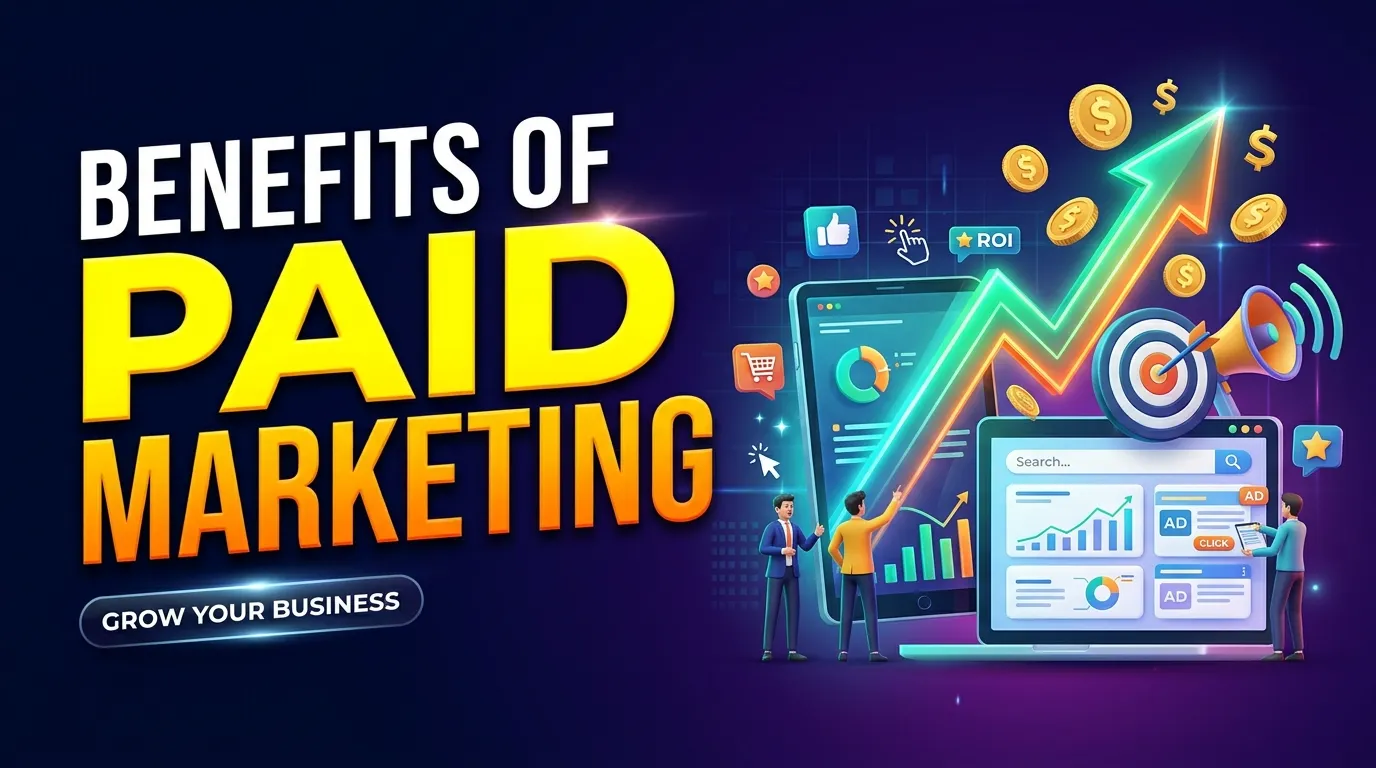 Paid marketing provides businesses with opportunities to reach their target audiences quickly and promote products or services to people who are more likely to become customers. One of its biggest advantages is immediate visibility. Businesses do not need to wait several months for search engine rankings or organic audience growth. Once an advertising campaign is approved and launched, advertisements can begin appearing to potential customers. Precise audience targeting is another major benefit. Advertising platforms allow businesses to select audiences according to demographics, locations, interests, search intent, and other available targeting signals. This helps companies focus their advertising budgets on relevant groups.
Paid marketing also provides measurable performance data. Businesses can monitor impressions, clicks, conversions, cost per click, and return on advertising spend. These insights make it easier to identify successful campaigns and improve underperforming advertisements. Another advantage is scalability. When a campaign generates profitable results, businesses can gradually increase their advertising budgets to reach more potential customers. This makes paid advertising particularly useful for companies launching new products or expanding into new markets.
Paid campaigns also support promotional activities. Businesses can advertise discounts, special offers, new product launches, events, and seasonal sales to generate attention within a specific period. Companies can also use advertising to test different headlines, offers, landing pages, and audience segments before making larger marketing investments. When comparing organic marketing vs paid marketing, paid advertising is particularly attractive for businesses that need faster results and have a clear strategy for converting visitors into customers. However, paid marketing is not automatically profitable. Businesses must manage their budgets, improve landing pages, and measure conversions to ensure that advertising spending produces meaningful returns.
Organic Marketing vs Paid Marketing Cost
Cost is one of the most important factors businesses consider when choosing a marketing strategy. Both organic and paid marketing require investment, but the way expenses are distributed is different. Organic marketing generally involves costs associated with creating content, managing websites, conducting keyword research, improving SEO, and maintaining social media accounts. Businesses may also need to hire writers, designers, SEO specialists, or marketing professionals. Although these activities require resources, organic traffic does not involve paying an advertising platform for every visitor who clicks on a search result or discovers a social media post.
Paid marketing usually requires a direct advertising budget. Businesses pay for clicks, impressions, leads, or other advertising objectives depending on the platform and campaign type. The total cost depends on competition, audience targeting, industry, campaign quality, and advertising objectives. For example, a small business might spend money creating SEO-focused articles to attract visitors over time. Another business might invest the same amount in Google Ads to generate traffic immediately.
The financial comparison of organic marketing vs paid marketing should consider both short-term expenses and long-term returns. Organic marketing can become more cost-effective as content continues attracting visitors, while paid advertising requires ongoing investment to maintain campaign visibility. Neither strategy is completely free. Organic marketing requires time and resources, and paid marketing requires an advertising budget. Businesses should evaluate their financial capacity, expected customer value, and marketing goals before deciding where to invest. A balanced approach often provides better financial flexibility because companies can build long-term organic visibility while using paid campaigns for important promotions and immediate opportunities.
Organic and Paid Marketing Differences
Although organic and paid marketing share the same overall objective of attracting customers, several factors distinguish these approaches. The first major difference is the method of acquiring traffic. Organic marketing attracts visitors through unpaid search listings, valuable content, and natural audience engagement. Paid marketing generates visibility through sponsored placements and advertising campaigns. The second difference is the time required to achieve results. Organic strategies generally take longer because businesses need to develop content, improve search rankings, and build audience trust. Paid campaigns can deliver visibility much faster once advertisements become active.
Budget requirements are also different. Organic marketing focuses on investing in resources that support long-term growth, while paid marketing involves continuous or campaign-based advertising expenses. Another difference is sustainability. Strong organic content may continue attracting visitors even when a business is not actively publishing new advertisements. Paid traffic, however, usually decreases when advertising campaigns stop. Targeting capabilities also vary. Paid platforms provide advanced targeting options that allow businesses to reach selected audiences. Organic marketing depends more heavily on search intent, content relevance, audience interests, and platform algorithms. The results of organic marketing vs paid marketing can also be measured differently. Organic performance is often evaluated through search rankings, organic sessions, engagement, and conversions.
Paid performance is commonly measured through impressions, clicks, conversion rates, cost per acquisition, and return on ad spend. Businesses should understand these differences before creating a marketing plan. Additional insights from effective business strategy can help business owners understand why strategic planning and consistent execution matter when pursuing growth. Ultimately, neither approach is universally better. Their effectiveness depends on the business model, competition, target audience, and available resources.
Best Marketing Strategy for Business Growth
 The best marketing strategy for business growth depends on a company’s current position, objectives, budget, and customer acquisition goals. Rather than choosing only one approach, businesses should consider combining organic and paid marketing to benefit from both. For startups and small businesses with limited budgets, organic marketing can provide a practical foundation. Creating helpful content, optimizing website pages, maintaining social media accounts, and building an email subscriber list can gradually increase brand visibility without depending entirely on advertising.
However, businesses that need immediate traffic or want to promote a new product may benefit from paid campaigns. Search advertising and social media promotions can help them reach relevant audiences while their organic presence continues developing. Established businesses can also use a combined strategy. For example, a company may use SEO to attract visitors through informational content while running paid advertisements for high-converting products and services. Content can also support paid campaigns. Businesses can publish educational articles that answer common customer questions and then use remarketing advertisements to reconnect with people who previously visited their websites.
The most effective organic marketing vs paid marketing strategy is one that aligns both approaches with a clear business objective. Companies should identify their target customers, research competitors, establish measurable goals, and regularly evaluate performance. Businesses can also experiment with different channels to determine which sources generate the highest-quality leads and customers. Instead of focusing only on website traffic, they should measure engagement, conversion rates, customer acquisition costs, and revenue. A successful growth strategy is not simply about attracting more visitors. It is about attracting the right visitors, building trust, and turning potential customers into long-term buyers.
Organic Traffic vs Paid Traffic
Website traffic is an important measurement of digital marketing performance. However, not all traffic comes from the same sources, and different traffic types can produce different results. Organic traffic refers to visitors who reach a website through unpaid search engine results. These visitors often discover a business by searching for information, products, or solutions related to their needs. For example, someone searching for marketing tips on Google might click on an informative article that appears in the organic search results. If the article provides useful information, the visitor may explore additional pages or become interested in the company’s services.
Paid traffic refers to visitors who arrive through sponsored advertisements. These advertisements may appear on search engines, social media platforms, websites, or other digital channels. For example, a person searching for a specific product might click on a sponsored Google advertisement and visit an online store. Organic traffic can provide long-term value because optimized content may continue attracting visitors without requiring payment for each click. Paid traffic can provide faster results because businesses can purchase advertising placements and reach selected audiences.
When evaluating organic marketing vs paid marketing, it is important to understand that traffic volume alone does not determine success. A website receiving thousands of visitors may generate fewer sales than a smaller website attracting highly relevant customers. Businesses should evaluate visitor quality, engagement, conversion rates, and revenue from both traffic sources. Analytics tools can help identify which channels generate meaningful business results. Combining organic traffic with paid traffic can create a more balanced acquisition strategy. Organic traffic supports sustainable visibility, while paid traffic provides additional reach and promotional opportunities.
Conclusion
Choosing between organic and paid marketing does not have to be an either-or decision. Both approaches offer valuable opportunities for businesses that want to improve their online presence, attract potential customers, and increase revenue. Organic marketing supports long-term growth through valuable content, SEO, and customer relationships. Paid marketing provides faster exposure, precise audience targeting, and measurable advertising opportunities. Understanding organic marketing vs paid marketing allows businesses to develop a strategy that matches their goals and resources. By combining organic visibility with carefully managed paid campaigns, companies can create a balanced marketing approach that supports immediate opportunities and sustainable business growth.
FAQ
1. What is the main difference between organic marketing and paid marketing?
The main difference is how businesses attract their audiences. Organic marketing uses content, SEO, and natural engagement to generate visibility without paying for individual advertising placements. Paid marketing uses sponsored advertisements to reach audiences in exchange for an advertising budget.
2. Is organic marketing better than paid marketing?
Neither strategy is always better. Organic marketing is valuable for long-term visibility, credibility, and sustainable traffic, while paid marketing is useful for immediate exposure, targeted promotions, and faster lead generation. The best choice depends on business goals and available resources.
3. Can small businesses succeed with organic marketing?
Yes. Small businesses can use SEO, blogging, social media engagement, and email marketing to build an online presence. Consistent content creation and a clear understanding of customer needs can help smaller companies attract potential customers without relying heavily on paid advertisements.
4. How long does organic marketing take to show results?
Organic marketing results depend on competition, website authority, content quality, industry, and consistency. SEO improvements may take several months to produce noticeable results, although social media engagement and referral traffic can sometimes develop more quickly.
5. How quickly can paid marketing generate results?
Paid marketing can generate impressions and clicks shortly after campaigns are approved and launched. However, meaningful conversions and profitable results may require ongoing testing, audience optimization, and improvements to advertising messages and landing pages.
6. Is paid marketing more expensive than organic marketing?
Paid marketing involves direct advertising expenses, while organic marketing requires investments in content creation, SEO, website management, and time. The overall cost depends on business requirements and the resources needed to achieve marketing objectives.
7. Can I use organic and paid marketing together?
Yes. Combining both approaches can create a balanced marketing strategy. Organic content builds credibility and long-term visibility, while paid advertising increases reach and helps businesses generate traffic and leads more quickly.
8. Which marketing strategy is best for startups?
Startups with limited budgets can begin with organic marketing through SEO, valuable content, and social media engagement. They can gradually introduce paid campaigns when they have a clear target audience, a suitable budget, and an offer that converts visitors into customers.
9. Does organic traffic convert better than paid traffic?
Not necessarily. Conversion rates depend on visitor intent, content relevance, product quality, landing page experience, and the overall customer journey. Both organic and paid traffic can generate valuable customers when the right audiences are targeted.
10. What is the best way to measure marketing success?
Businesses should measure website traffic, engagement, leads, conversion rates, customer acquisition costs, and revenue. Organic campaigns can be evaluated through search performance and organic conversions, while paid campaigns can be measured through advertising costs, conversions, and return on ad spend.



Leave a Reply