

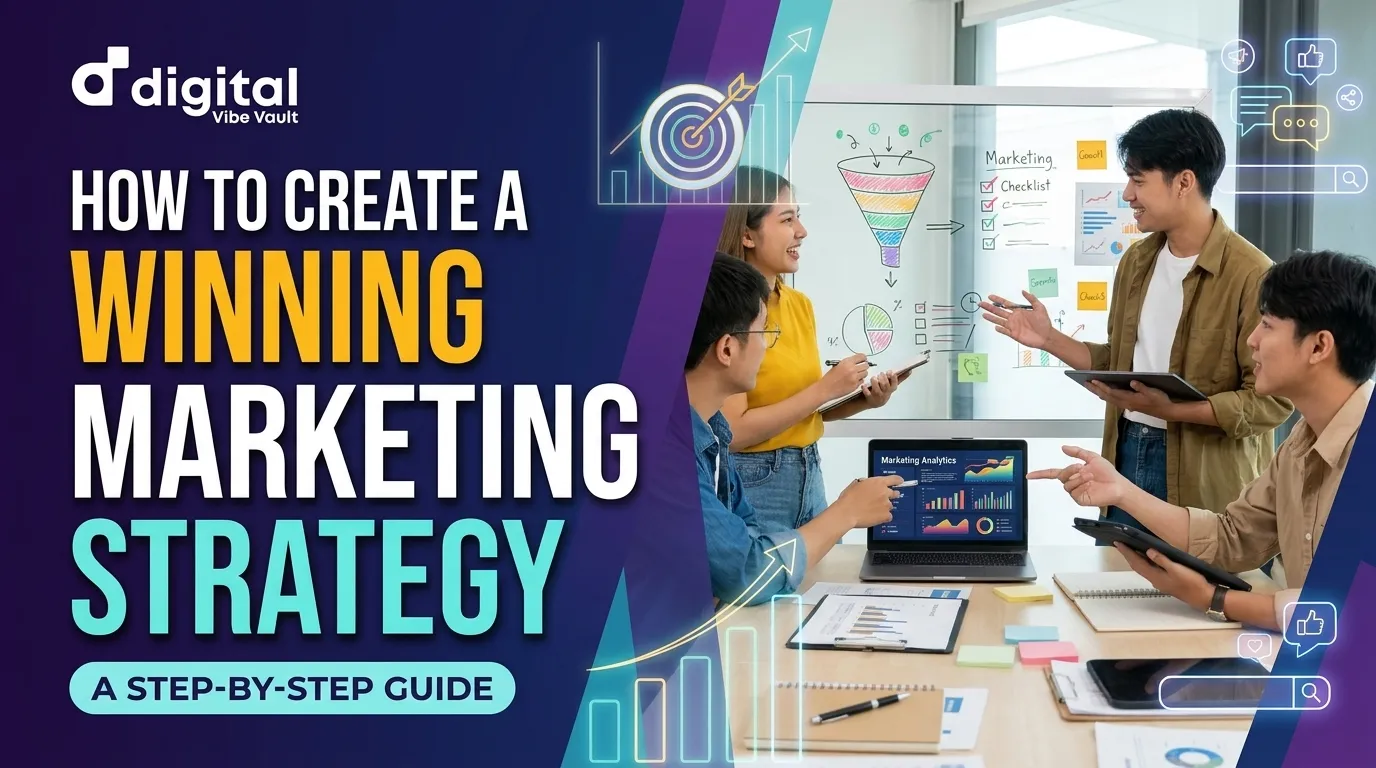
A successful business needs more than just a good product or service. It needs a clear direction, a strong understanding of its customers, and a marketing approach that delivers measurable results. Learning how to create a winning marketing strategy helps businesses attract potential customers, build brand awareness, increase sales, and achieve long-term growth. Whether you run a small business or manage an established company, the right marketing decisions can make a significant difference. This guide explains effective marketing methods, audience research, digital marketing techniques, campaign optimization, and strategic planning to help your business compete in today’s marketplace.
Effective Marketing Strategy
An effective marketing strategy provides a clear roadmap for promoting products or services and reaching business objectives. It helps companies understand their market position, identify customer needs, and communicate their value to the right audience. Without a proper direction, businesses may spend money on promotional activities that fail to generate meaningful results. A well-developed marketing strategy ensures that every marketing decision supports the company’s overall goals. The first step is understanding what makes your business different from competitors. This could be product quality, affordable pricing, excellent customer service, convenience, or a unique customer experience. Once you identify your competitive advantage, communicate it consistently across your website, social media platforms, advertisements, and other marketing channels.
Another important factor is setting measurable objectives. Instead of simply aiming to increase sales, establish specific targets such as improving website traffic, generating qualified leads, increasing customer retention, or boosting monthly revenue. These objectives make it easier to evaluate performance and identify areas that require improvement. Businesses should also focus on consistency. Your brand message, visual identity, and communication style should remain recognizable across different platforms. When customers repeatedly experience the same quality and message, they are more likely to develop trust in your business. A strong marketing strategy combines clear objectives, consistent communication, customer understanding, and continuous improvement.
Marketing Strategy Development
Marketing strategy development involves researching your business environment, understanding customer expectations, evaluating competitors, and selecting the most effective promotional methods. It is a structured process that helps businesses move from general marketing ideas to practical actions. Start by analyzing your current business position. Consider your strengths, weaknesses, opportunities, and potential threats. This analysis helps you understand where your business performs well and where improvements are necessary. For example, a company with strong customer service but limited online visibility may benefit from investing in digital advertising and search engine optimization.
Competitor research is equally important. Study how similar businesses communicate with customers, promote their products, and position their brands. Pay attention to their website content, social media activities, pricing approaches, and customer feedback. The purpose is not to copy competitors but to discover opportunities that can help your business stand out. Your strategy should also consider how business decisions connect with long-term objectives. If you want to understand how strategic decisions influence overall company performance, explore this guide on effective business strategy. Once the research is complete, select suitable marketing channels, establish a realistic budget, and create a timeline for implementation. Regularly review the results and adjust your approach according to customer responses and market changes.
Digital Marketing Strategy
 A digital marketing strategy is essential for businesses that want to reach customers through online platforms. Modern consumers frequently use search engines, social media, websites, and online marketplaces to discover products and compare services. Businesses that maintain a strong digital presence have more opportunities to connect with these potential customers. Search engine optimization is one of the most valuable digital marketing methods. It helps improve your website’s visibility in search engine results when people search for relevant products, services, or information. Creating useful content, optimizing website pages, improving loading speed, and building relevant backlinks can support long-term organic growth.
Social media marketing also plays an important role. Platforms such as Facebook, Instagram, LinkedIn, and TikTok allow businesses to share content, communicate with customers, promote offers, and increase brand recognition. A consistent publishing schedule and engaging content can help develop stronger relationships with your audience. Email marketing provides another effective way to communicate directly with potential and existing customers. Businesses can share newsletters, product updates, special offers, and personalized recommendations to encourage repeat purchases.
Video marketing is also becoming increasingly valuable because visual content can communicate information quickly and capture audience attention. Companies interested in creating professional promotional videos can learn more about TV commercial editing, which explains how video editing contributes to effective advertising. The most successful digital marketing strategy combines different online channels instead of depending entirely on one platform. By tracking performance and understanding customer behavior, businesses can invest more effectively in the channels that generate the best results.
Marketing Plan for Business Growth
A marketing plan for business growth transforms your overall marketing objectives into specific activities. It explains what your business wants to achieve, which customers it wants to reach, what promotional methods it will use, and how success will be measured. A good marketing plan begins with realistic business goals. These may include increasing monthly sales, expanding into new markets, launching a product, improving customer retention, or generating more qualified leads. Each objective should have a measurable target and a reasonable deadline.
Budget planning is another essential part of business growth. Marketing expenses can include website development, paid advertising, content creation, email campaigns, social media management, and promotional materials. Allocating your budget according to business priorities helps prevent unnecessary spending. Your website should also support your growth objectives. A professional, user-friendly website creates a positive first impression and makes it easier for visitors to understand your products or services. For online businesses, a well-designed shopping experience can directly influence purchasing decisions. Read this guide on e-commerce website development to understand how website design and functionality support online business growth. A marketing plan should not remain unchanged throughout the year. Customer preferences, competitors, and market conditions can shift, making regular evaluation necessary. Review your progress monthly or quarterly and make adjustments whenever your results do not match your expectations.
Successful Marketing Techniques
Successful marketing techniques help businesses attract attention, communicate value, and encourage customers to take action. However, not every promotional method works equally well for every industry. The most effective approach depends on your target market, business objectives, available resources, and customer preferences. Content marketing is a powerful technique because it focuses on providing useful information instead of constantly promoting products. Businesses can publish educational articles, practical guides, videos, case studies, and industry insights to answer customer questions. Valuable content builds credibility and can attract visitors through search engines.
Social media engagement is another important technique. Rather than simply publishing promotional posts, businesses should participate in conversations, respond to comments, answer questions, and encourage customers to share their experiences. This creates a more personal connection between a brand and its audience. Influencer partnerships can also introduce your products or services to new audiences. Working with creators who have relevant followers can increase brand exposure and help establish credibility. However, selecting influencers based on audience relevance and engagement is more important than choosing someone simply because they have a large following.
Referral marketing is another useful approach. Satisfied customers can become valuable sources of new business when they recommend your products or services to others. Offering referral incentives, loyalty rewards, or exclusive discounts can encourage customers to spread positive recommendations. Businesses selling downloadable resources, templates, courses, or other online products can also explore digital products for beginners to understand how digital offerings can create additional business opportunities. Combining these techniques with consistent communication and customer-focused messaging can strengthen your overall marketing performance.
Strategic Marketing Planning
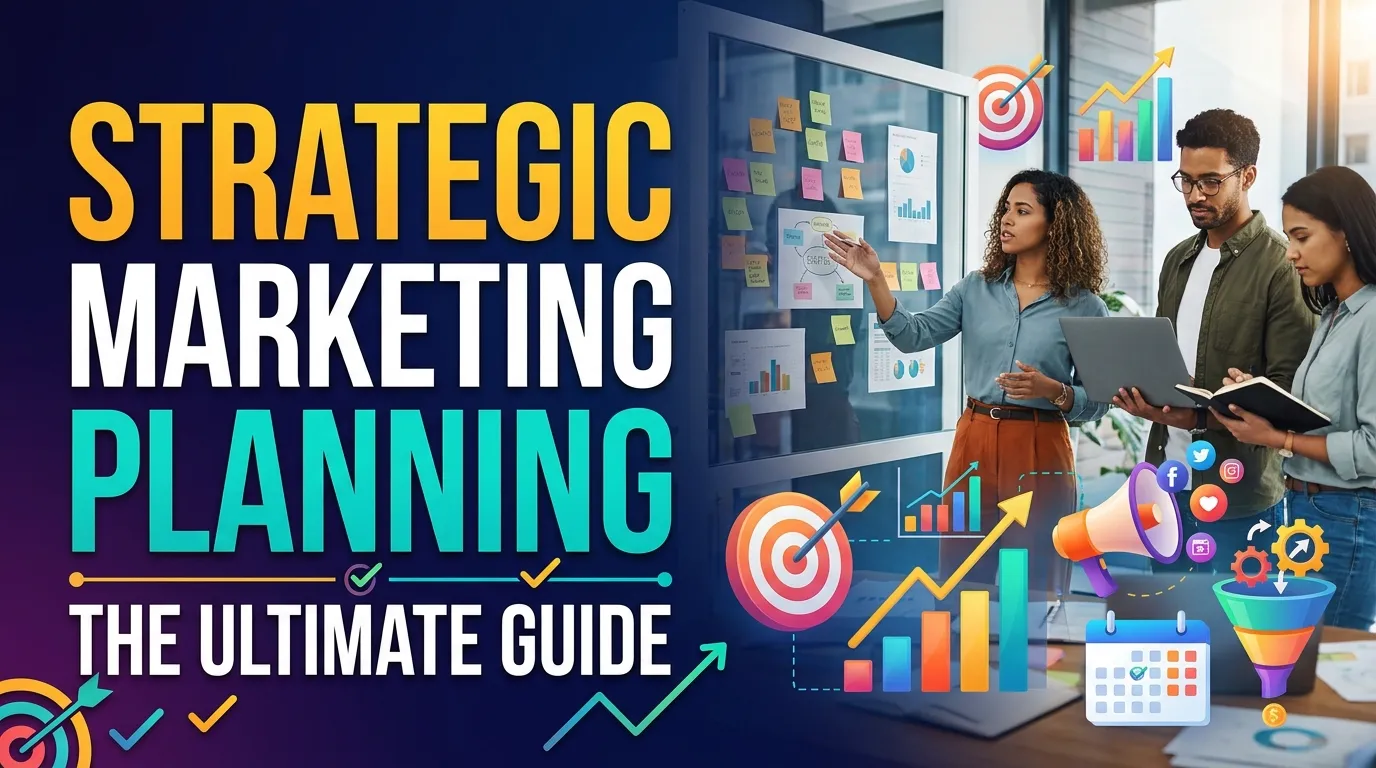 Strategic marketing planning focuses on the long-term direction of your promotional activities. While individual campaigns may generate short-term attention, strategic planning ensures that your marketing efforts contribute to sustainable business development. The process begins with a clear understanding of your business vision. Determine where you want your company to be in the next year, three years, or five years. Your marketing activities should support these broader ambitions rather than operate independently.
Market segmentation is an important part of strategic planning. Customers have different interests, purchasing habits, budgets, and expectations. Dividing the market into meaningful groups allows businesses to develop messages that are more relevant to each audience. Positioning is equally important. It defines how customers should perceive your brand compared with competing businesses. A company may position itself as an affordable provider, a premium brand, an innovative solution, or a customer-focused service. Your positioning should be reflected in your website, advertisements, content, and customer interactions.
Another important consideration is resource management. Businesses should identify which marketing channels deserve the greatest investment based on their potential contribution to business goals. This helps create a balanced approach that combines immediate promotional opportunities with long-term brand development. Strategic marketing planning should also include performance reviews. Monitoring customer acquisition costs, conversion rates, engagement, and revenue helps determine whether your current direction is delivering value. When a strategy is supported by reliable information and regular evaluation, businesses can make better decisions and respond more confidently to market changes.
Marketing Strategy for Small Businesses
Small businesses often operate with limited budgets, smaller teams, and fewer resources than large companies. However, these limitations do not prevent them from building strong brands or attracting loyal customers. A practical marketing strategy for small businesses focuses on affordable channels, targeted communication, and measurable results. Local search engine optimization is particularly useful for businesses serving specific geographical areas. Optimizing your website and business listings with relevant local information can help potential customers discover your services when searching online.
Social media provides another affordable opportunity. Small businesses can use regular posts, short videos, customer testimonials, product demonstrations, and behind-the-scenes content to build relationships with their audience. Consistency is more important than publishing large amounts of content without a clear purpose. Email marketing can also support small business growth. Collecting customer email addresses with permission allows companies to share updates, announce new products, and offer exclusive promotions. This creates a direct communication channel that does not depend entirely on social media algorithms.
Customer service should remain a major priority. Responding quickly to inquiries, resolving complaints professionally, and delivering a positive experience can encourage repeat purchases and referrals. Small businesses should avoid investing in every available marketing channel at once. Instead, start with a few platforms that match your audience and budget. Measure the results, identify what works, and gradually expand your activities as the business grows.
Target Audience Research
Target audience research is one of the most important parts of creating a successful marketing approach. Even an attractive advertisement may fail if it reaches people who have no interest in the product or service. Understanding your ideal customers helps businesses create relevant messages and improve promotional performance. Begin by identifying basic customer characteristics such as age range, location, occupation, income level, and purchasing habits. These details help establish a general understanding of the people most likely to buy from your business.
However, demographic information alone is not enough. You should also understand customer interests, motivations, challenges, and preferences. For example, customers purchasing fitness products may be motivated by improving their health, saving time, or achieving specific fitness goals. Understanding these motivations allows businesses to communicate benefits more effectively. Customer surveys, interviews, website analytics, social media comments, and online reviews can provide useful research information. These sources help reveal common questions, customer expectations, and problems that your products or services can solve.
Creating customer personas is another practical method. A persona represents a typical customer based on research and includes relevant information about their goals, challenges, and buying behavior. These profiles help marketing teams develop more personalized content and promotional messages. Audience research should be an ongoing activity because customer preferences can change over time. Regularly collecting feedback and reviewing customer behavior allows businesses to keep their communication relevant and improve the effectiveness of their marketing decisions.
Marketing Campaign Optimization
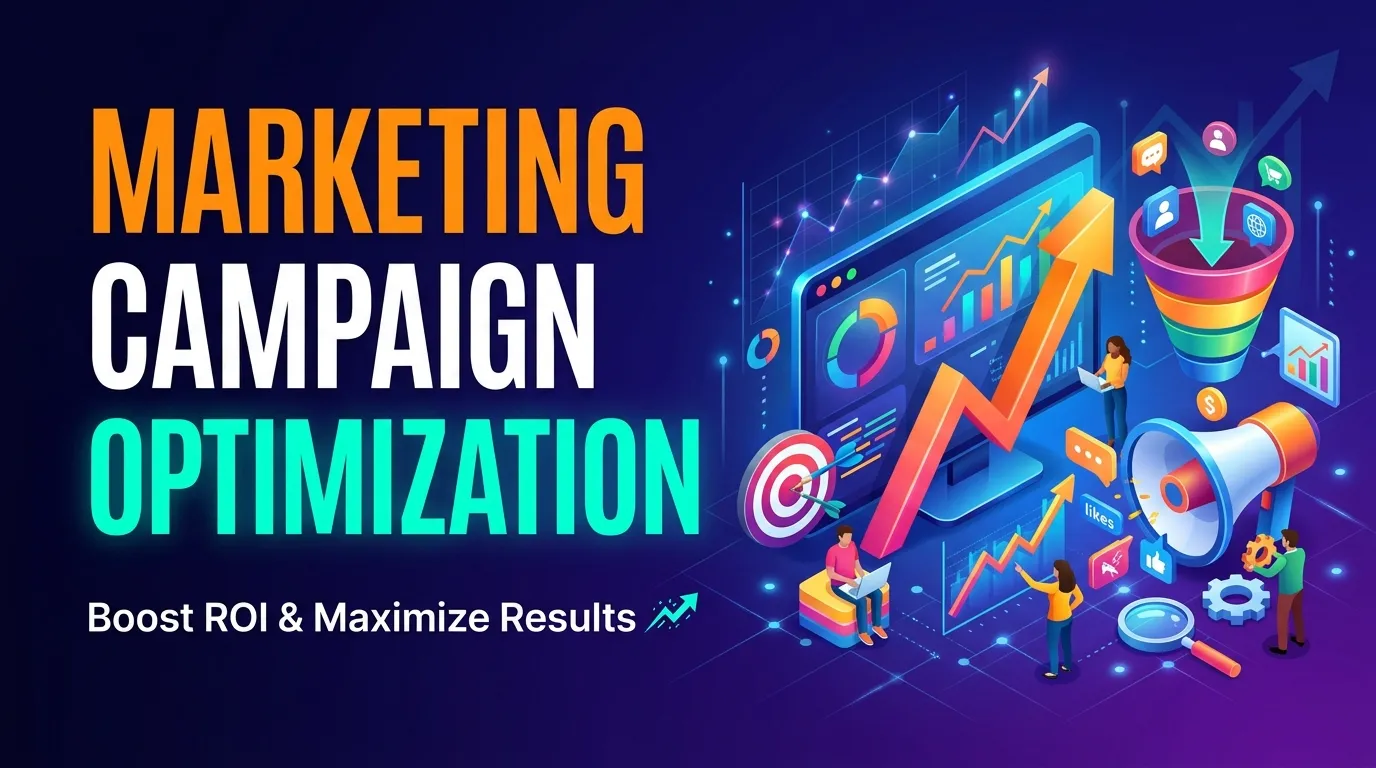 Marketing campaign optimization is the process of improving promotional activities to achieve better results. Launching a campaign is only the beginning. Businesses must monitor its performance, identify weaknesses, and make changes based on actual results. Start by selecting key performance indicators that match your campaign objectives. For example, a brand awareness campaign may focus on reach, impressions, and engagement, while a sales campaign may prioritize conversions, revenue, and customer acquisition costs.
Analytics tools can help businesses understand how visitors interact with their websites and advertisements. You can examine traffic sources, page engagement, conversion rates, and user behavior to identify which channels are producing valuable results. A/B testing is another effective optimization method. It involves comparing two versions of an advertisement, landing page, email subject line, or call-to-action to determine which performs better. Testing one significant element at a time makes it easier to understand what influences customer responses.
Businesses should also pay attention to campaign targeting. If advertisements are reaching people who are unlikely to purchase, adjusting audience interests, location, demographics, or other targeting settings may improve performance. Regular optimization helps prevent unnecessary advertising expenses and improves the return on marketing investment. Instead of continuing with an underperforming campaign, businesses should use performance data to make informed adjustments. The goal is not simply to generate more clicks or impressions. It is to attract the right customers, encourage meaningful actions, and achieve results that contribute to long-term business success.
Business Marketing Strategies
Business marketing strategies bring together all the activities a company uses to attract customers, build relationships, increase sales, and strengthen its market position. A successful business needs an integrated approach that connects branding, advertising, customer communication, digital channels, and long-term planning. One important strategy is building a recognizable brand identity. Customers should be able to identify your business through its visual appearance, communication style, and overall experience. Consistent branding across your website, social media pages, advertisements, and marketing materials helps create familiarity and trust.
Another valuable strategy is developing strong customer relationships. Businesses should focus on understanding customer needs, providing helpful support, and maintaining communication after a purchase. Customer retention is important because satisfied existing customers may purchase again and recommend your business to others. Omnichannel marketing can also improve the customer experience. It connects different communication channels, allowing customers to interact with a brand through websites, social media, email, mobile platforms, and physical locations. Maintaining a consistent message across these channels makes the buying journey more convenient.
Innovation is equally important. Businesses should remain open to new marketing technologies, changing customer expectations, and emerging opportunities. Artificial intelligence, marketing automation, personalized recommendations, and advanced analytics can help companies improve efficiency and make better decisions. Ultimately, the strongest business marketing strategies are built around customer value. Companies that understand their audiences, communicate clearly, deliver quality products or services, and continuously improve their approach are better positioned for sustainable growth.
Conclusion
Creating a successful marketing approach requires research, planning, consistency, and continuous improvement. From understanding your audience to choosing the right digital channels, every decision should contribute to clear business objectives. A winning marketing strategy is not about using every available promotional technique; it is about selecting the methods that deliver meaningful results for your specific business. Whether you operate a startup, a small business, or an established company, focus on providing customer value, maintaining a recognizable brand, and measuring your performance. By adapting to market changes and learning from campaign results, you can build a sustainable marketing system that attracts customers, strengthens relationships, and supports long-term business growth.
FAQ
1. What is a winning marketing strategy?
A winning marketing strategy is a structured approach that helps businesses reach their target audience, promote their products or services, generate leads, and increase sales. It combines market research, clear objectives, effective communication, and performance measurement to achieve sustainable results.
2. Why is a marketing strategy important for business growth?
A marketing strategy gives businesses direction and helps them use their resources effectively. It identifies potential customers, establishes promotional priorities, strengthens brand awareness, and creates opportunities to increase revenue and customer retention.
3. How do I develop an effective marketing strategy?
Start by understanding your business goals, researching your target audience, analyzing competitors, and identifying your unique selling proposition. Then choose suitable marketing channels, create a realistic budget, implement your plan, and regularly measure performance.
4. What are the most effective digital marketing strategies?
Some effective digital marketing strategies include search engine optimization, content marketing, social media marketing, email marketing, paid advertising, and video marketing. The best combination depends on your industry, audience, and business objectives.
5. How can small businesses create a successful marketing plan?
Small businesses should focus on affordable and targeted marketing activities. Building a professional website, optimizing local search visibility, maintaining social media accounts, collecting customer feedback, and using email marketing can help generate business growth without requiring a large budget.
6. How do I identify my target audience?
You can identify your target audience by researching customer demographics, interests, purchasing behavior, challenges, and preferences. Surveys, customer interviews, website analytics, and social media insights can provide valuable information for creating accurate customer profiles.
7. What is the role of social media in marketing?
Social media helps businesses increase brand awareness, communicate with customers, share valuable content, promote products, and generate leads. It also provides opportunities to receive feedback and develop long-term customer relationships.
8. How much should a business spend on marketing?
Marketing budgets depend on business size, industry, revenue, and growth objectives. Businesses should establish a realistic budget based on available resources and track their results to understand which activities provide the best return on investment.
9. How can I measure the success of a marketing campaign?
You can measure campaign performance through key indicators such as website traffic, conversion rates, engagement, lead generation, customer acquisition costs, and sales revenue. Comparing these results with your original objectives helps identify opportunities for improvement.
10. How often should I update my marketing strategy?
Businesses should review their marketing performance regularly, ideally every month or quarter. A more significant strategic review can be conducted annually or whenever major changes occur in customer behavior, industry trends, competition, or business objectives. Regular updates help keep marketing activities relevant and effective.



Leave a Reply