

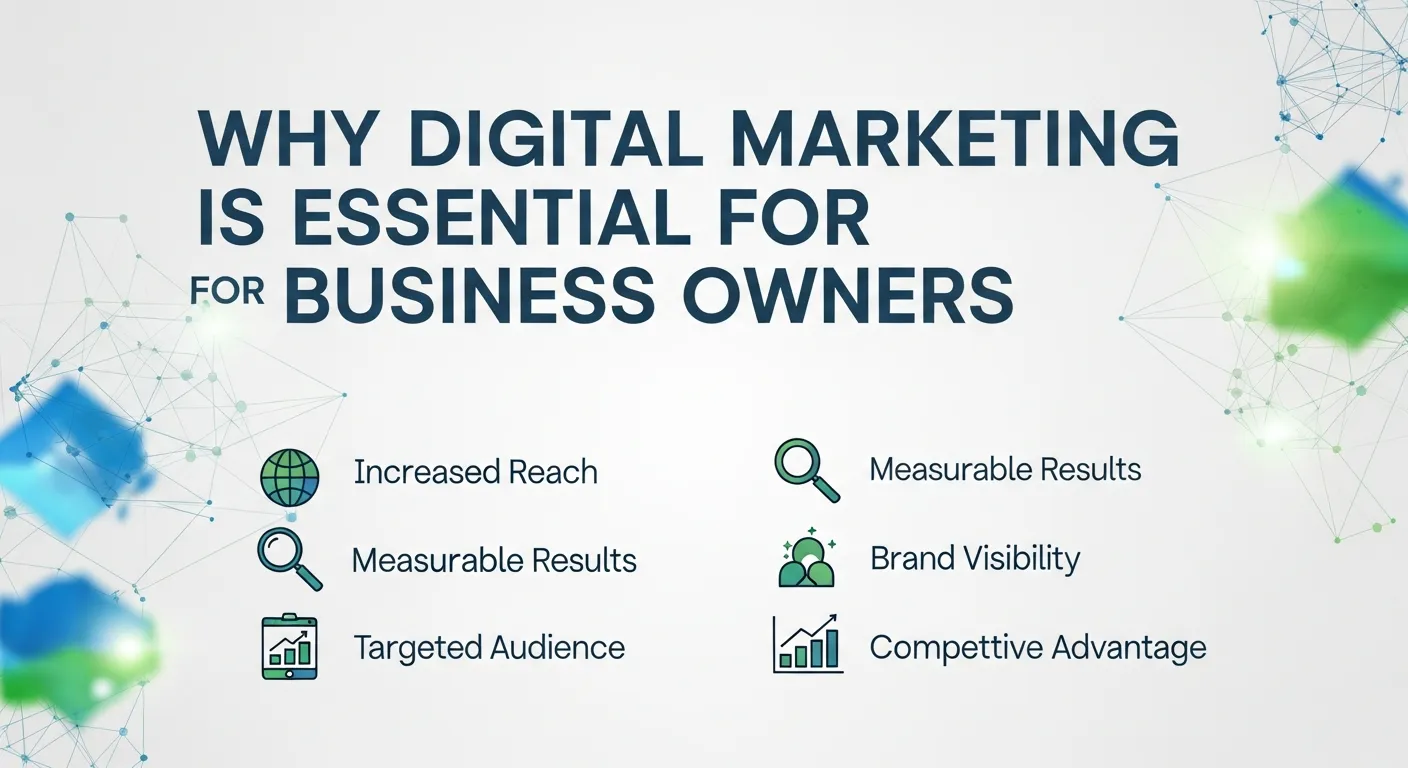
Digital marketing is essential for business owners to remain competitive and grow. It leverages channels like social media, SEO, email, PPC, and content marketing to reach customers online. Benefits include cost-effective advertising, global reach, targeted marketing, real-time analytics, and stronger customer relationships. Video marketing, influencer collaborations, mobile optimization, retargeting strategies, and AI-driven automation further enhance engagement, conversions, and long-term growth. By integrating these strategies, business owners can build credibility, increase ROI, and create scalable, sustainable business success.
In today’s fast-paced business environment, digital marketing is crucial for business owners who want to stay competitive and thrive. It’s no longer just a trendy buzzword; it’s a fundamental component of running a successful business, regardless of size or industry. Whether you operate a small local café, manage a growing e-commerce brand, or lead a large organization, understanding and leveraging digital marketing can open doors to opportunities you may not even realize exist.
Understanding Digital Marketing
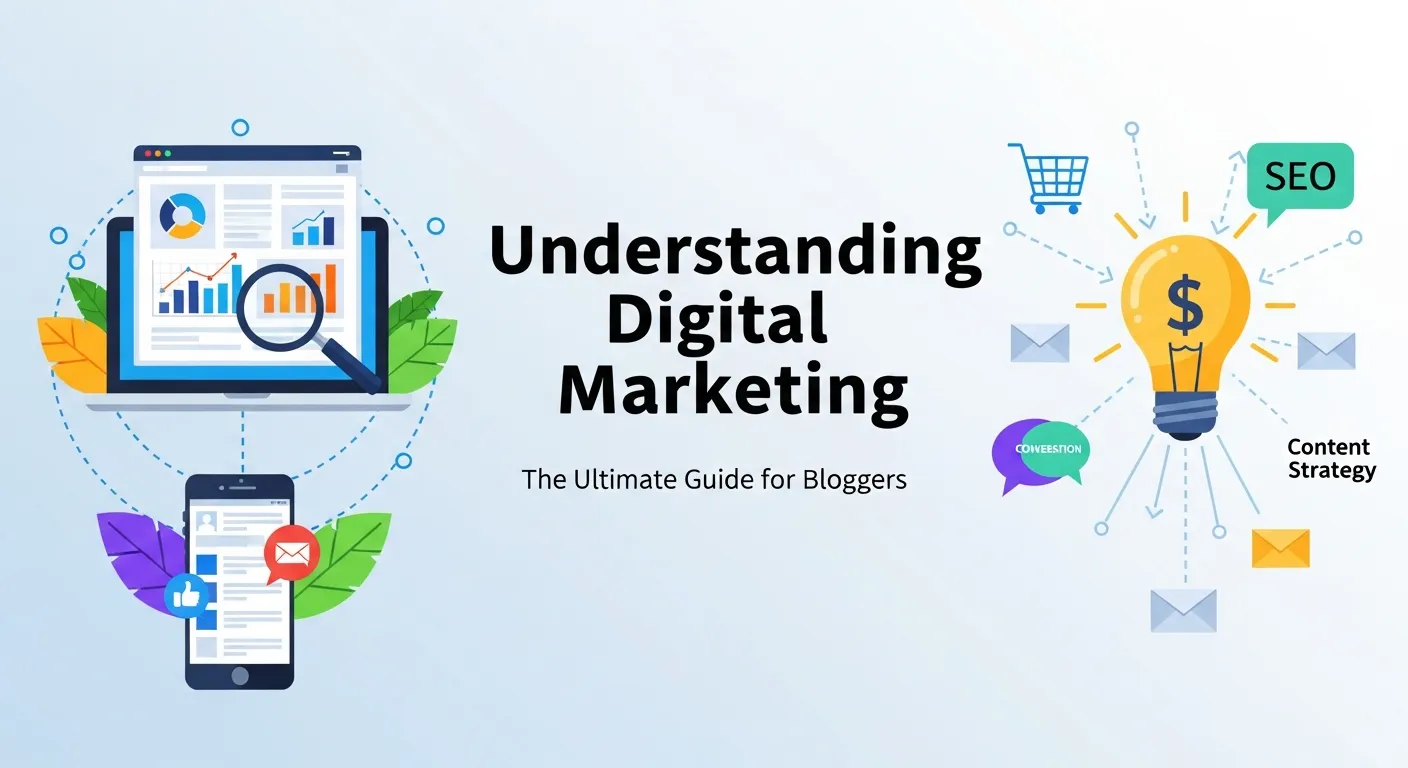
Digital marketing refers to the promotion of products or services using digital channels, such as social media platforms, search engines, email campaigns, websites, mobile apps, and more. Unlike traditional marketing methods—like print advertisements, flyers, or billboards—digital marketing allows business owners to connect with their target audience in real-time, engage them interactively, and measure results accurately.
This ability to track performance, understand customer behavior, and adapt campaigns quickly makes digital marketing an indispensable tool for business growth. Simply put, if you aren’t investing in digital marketing, you’re potentially leaving customers—and revenue—on the table.
Key Elements of Digital Marketing
For business owners, understanding the various elements of digital marketing is essential to building a comprehensive strategy. These include:
-
Search Engine Optimization (SEO): Optimizing your website and content so that your business ranks higher on search engines like Google, making it easier for potential customers to find you.
-
Social Media Marketing: Engaging audiences on platforms such as Instagram, Facebook, LinkedIn, and TikTok to build relationships, promote your products, and increase brand awareness.
-
Content Marketing: Creating valuable, informative content—blogs, videos, infographics, or guides—that attracts and educates your audience, positioning your brand as a trusted authority.
-
Pay-Per-Click Advertising (PPC): Running targeted ads on search engines and social media platforms where you pay only when users click, ensuring efficient use of your marketing budget.
-
Email Marketing: Communicating directly with customers to nurture relationships, promote offers, and maintain engagement over time.
When these components work together, they create a powerful digital ecosystem that can drive traffic, increase conversions, and generate lasting results.
Why Digital Marketing Is Crucial for Business Owners
1. Your Customers Are Online
With over 5 billion internet users worldwide, the majority of your potential customers spend a significant part of their day online. They search for products, read reviews, watch videos, and browse social media. If your business isn’t visible in these digital spaces, you are missing out on countless opportunities.
For example, a small café can benefit immensely by optimizing its Google Business Profile, encouraging customer reviews, and posting updates on social media. This not only increases foot traffic but also strengthens brand reputation.
2. Leveling the Playing Field
Digital marketing empowers small businesses to compete with larger corporations. With strategic planning, creative content, and targeted advertising, even businesses with modest budgets can make a significant impact.
Consider a small handmade jewelry brand using Instagram ads. By targeting users interested in eco-friendly or unique products, they can effectively challenge larger, well-established competitors, gaining a loyal audience that values their brand story.
3. Targeted Marketing for Higher ROI
One of the most compelling benefits of digital marketing is the ability to target specific audiences with precision. Unlike traditional advertising, which casts a wide net, digital tools allow business owners to focus on demographics like age, location, interests, and even purchasing behavior.
This precision reduces wasted ad spend and increases the return on investment (ROI), ensuring that every marketing dollar is spent reaching potential customers most likely to convert.
4. Data-Driven Decision Making
Analytics and data are the backbone of effective digital marketing. Tools like Google Analytics, HubSpot, and Hootsuite allow business owners to monitor website traffic, campaign performance, audience engagement, and more.
For instance, if your blog posts about “healthy recipes” are attracting more readers, data insights can guide you to produce more content in that niche, ultimately driving additional traffic and potential sales.
Benefits of Digital Marketing for Business Owners
Cost-Effective Advertising
Digital marketing is often more affordable than traditional methods. Social media campaigns, SEO strategies, and email marketing can be executed effectively even on limited budgets, giving small businesses a chance to grow without overspending.
Reach a Global Audience
Physical businesses are often constrained by location, but Digital Marketing Include Social Media these boundaries. E-commerce platforms and digital campaigns allow business owners to reach customers globally, opening revenue streams far beyond their local markets.
Build Customer Relationships
Engaging with customers online fosters trust and loyalty. Responding to comments on social media, sharing helpful tips, or featuring user-generated content helps businesses build meaningful, long-term connections with their audience.
Keeps Your Business Competitive
In a digitally connected world, competitors are already investing in online strategies. Staying relevant requires a strong digital presence. Businesses that ignore digital marketing risk falling behind, while those who embrace it can maintain a competitive edge.
How to Get Started with Digital Marketing
For business owners ready to leverage digital marketing, here’s a step-by-step guide:
Build a Strong Online Presence: Start with a user-friendly website that includes essential information like contact details, services, and location. Optimize it for SEO to improve search visibility.
Define Your Target Audience: Know your ideal customers—their demographics, preferences, and pain points. The more specific your understanding, the more effective your marketing efforts.
Select the Right Channels: Focus on platforms where your audience spends the most time. For example:
- Instagram for younger, visually-oriented audiences
- LinkedIn for B2B and professional audiences
- Pinterest for design, DIY, and creative products
Create Relevant Content: Invest in blogs, videos, guides, and social media posts that educate, inspire, or entertain your audience, building credibility and trust.
Experiment with Paid Advertising: Start with beginner-friendly PPC campaigns on Google Ads or Facebook Ads, testing different targeting and budget strategies.
Leverage Email Marketing: Use newsletters to keep customers informed, share promotions, and provide valuable content that nurtures relationships.
Real-World Success Stories
Many businesses have grown exponentially by implementing digital marketing strategies:
-
Shopify Online Store: Leveraging SEO and content marketing, Shopify has scaled globally, helping small businesses reach customers worldwide.
-
Daniel Wellington Watches: Through strategic influencer partnerships on social media, Daniel Wellington built a strong brand presence and gained millions of loyal followers.
These examples demonstrate that digital marketing is not just a tool—it’s a powerful growth engine.
Existing Advanced Benefits
-
Enhancing Brand Credibility: Consistent content, positive customer reviews, and professional websites help business owners build trust, signaling authority to their audience.
-
Engaging Through Social Proof: Testimonials, reviews, and influencer endorsements strengthen credibility and encourage potential customers to buy.
-
Flexibility and Real-Time Adjustments: Campaigns can be paused, scaled, or tweaked instantly, unlike static traditional marketing methods.
-
Encouraging Customer Loyalty and Repeat Business: Email newsletters, loyalty programs, and personalized engagement nurture long-term relationships.
-
Supporting Multi-Channel Integration: Campaigns across social media, email, and websites work together to amplify impact and create cohesive brand messaging.
Harnessing Video Marketing for Engagement
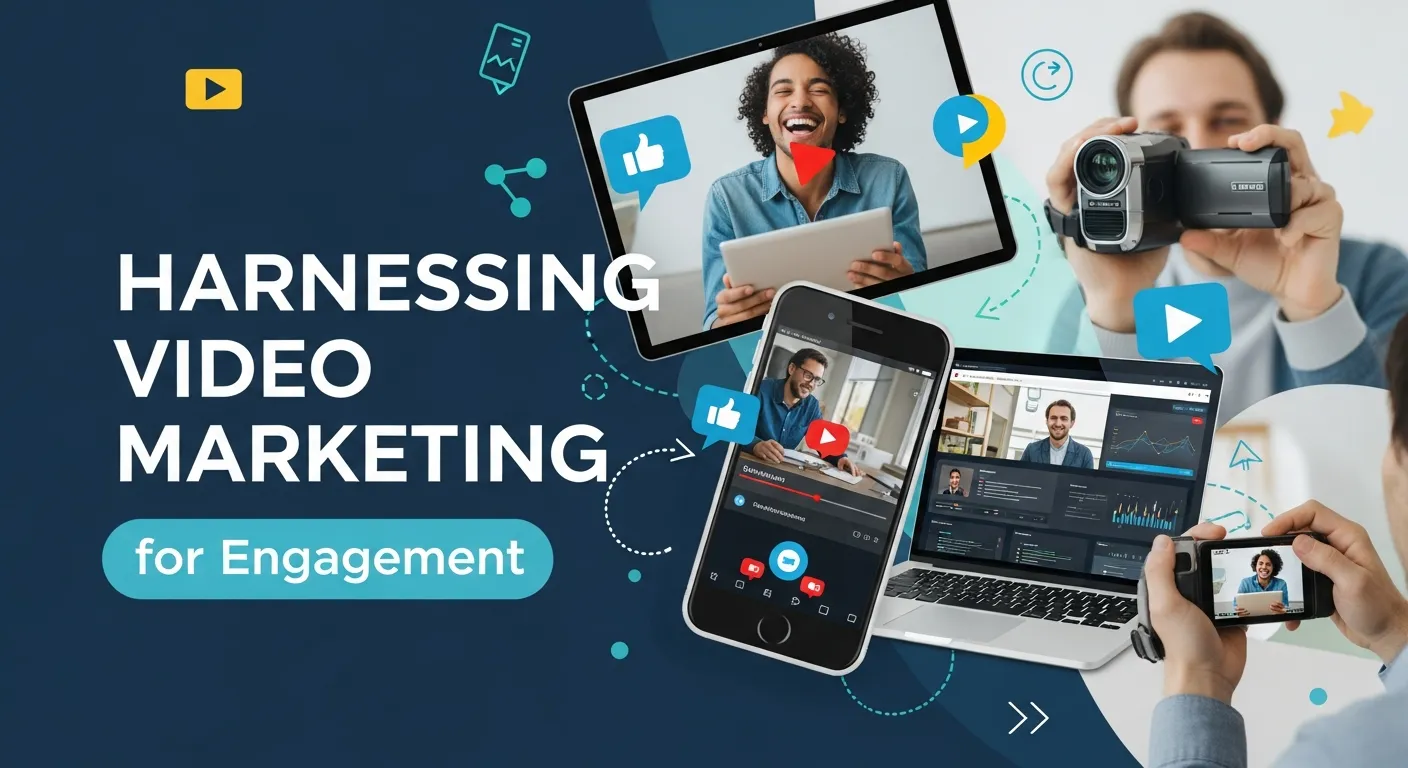
Video content continues to dominate online engagement, making it an essential tool for business owners. Platforms like Instagram Reels, TikTok, and YouTube allow brands to showcase products in action, explain complex services, and connect emotionally with audiences. Video marketing not only increases click-through rates and shares but also improves SEO, as search engines favor engaging, time-on-page content. Tutorials, product demos, behind-the-scenes footage, and customer testimonials are excellent ways to use video to build trust, educate audiences, and drive conversions.
Leveraging Influencer Collaborations
Collaborating with influencers is one of the most effective ways to reach highly engaged and targeted audiences. Influencers bring authenticity and credibility to a brand because their followers trust their opinions. Partnering with influencers—ranging from industry experts to micro-influencers with smaller, highly loyal followings—can boost brand awareness, expand reach, and often deliver higher conversion rates than traditional advertising. Businesses can create sponsored content, product reviews, unboxings, or co-branded campaigns to leverage influencers’ credibility while connecting with niche audiences.
Mobile Marketing Optimization
With mobile devices accounting for over half of all internet traffic, optimizing marketing for mobile is no longer optional—it’s essential. Mobile-friendly design ensures websites, emails, landing pages, and advertisements are responsive, fast-loading, and easy to navigate on small screens. Slow or unresponsive mobile experiences can drive potential customers away, whereas smooth, optimized mobile interactions improve engagement, reduce bounce rates, and increase conversions. Mobile optimization also includes push notifications, SMS marketing, and app-based campaigns to engage customers directly wherever they are.
Utilizing Retargeting Strategies
Most website visitors do not convert on their first interaction. Retargeting campaigns are designed to reconnect with these potential customers, showing personalized ads based on their prior behavior on your site or social media channels. For example, a user who browsed a product but didn’t purchase can be reminded of it through dynamic display ads, email follow-ups, or social media retargeting. Retargeting significantly improves Conversion Rate Optimization (CRO) by keeping your brand top-of-mind, nurturing interest, and providing incentives for returning customers, turning window shoppers into buyers.
Preparing for the Future: AI and Automation in Marketing
Artificial intelligence (AI) and marketing automation are transforming the way businesses plan, execute, and optimize campaigns. AI can predict customer behavior, segment audiences based on preferences, and even generate content suggestions, making campaigns more personalized and efficient. Automation tools handle repetitive tasks such as email sequences, social media posting, and ad optimization, freeing business owners to focus on strategy and creative development. By adopting AI and automation early, businesses can streamline workflows, deliver personalized experiences at scale, and stay ahead in an increasingly competitive digital landscape.
Take Your Business to the Next Level

Whether your goal is to increase brand awareness, drive sales, or compete with industry giants, digital marketing is crucial for business owners. Start small, pick one or two strategies, test them, and measure results. Over time, a consistent, data-driven approach can transform your business.
With countless resources and tools available—from free analytics programs to step-by-step marketing guides—the digital world has never been more accessible. Business owners who embrace digital marketing today will be the ones leading their industries tomorrow. Reading More Digital Marketing is More Effective for Businesses
Conclusion
Digital marketing is no longer optional—it’s a critical growth engine for businesses of all sizes. By strategically combining different channels, creating engaging content, leveraging technology, and optimizing campaigns continuously, business owners can reach their target audience effectively, boost sales, and strengthen their brand. Embracing digital marketing today positions businesses for long-term success and competitive advantage in an increasingly online world.
FAQs – Digital Marketing for Business Owners
What is digital marketing?
Digital marketing is promoting products or services using online channels such as social media, search engines, email, and websites.
Why is digital marketing important for business owners?
It allows businesses to reach a large, targeted audience, measure results accurately, and adapt campaigns in real time.
What are the key components of digital marketing?
SEO, social media marketing, content marketing, PPC advertising, and email marketing.
How does digital marketing benefit small businesses?
It provides cost-effective advertising, global reach, precise targeting, and opportunities to compete with larger brands.
Why is video marketing important?
Videos increase engagement, explain products or services effectively, improve SEO, and build trust with audiences.
How do influencer collaborations help businesses?
Influencers provide authenticity, expand reach, and often achieve higher conversions than traditional advertising.
What is mobile marketing optimization?
Ensuring websites, ads, and emails are mobile-friendly, fast-loading, and responsive to capture mobile traffic.
What is retargeting in digital marketing?
Retargeting reconnects with potential customers who didn’t convert initially, showing personalized ads to drive conversions.
How does AI and automation improve marketing?
AI predicts behavior, segments audiences, and generates content suggestions, while automation handles repetitive tasks efficiently.
Can digital marketing increase customer loyalty?
Yes, through personalized engagement, email newsletters, social media interactions, and loyalty campaigns.
Is digital marketing measurable?
Absolutely. Tools like Google Analytics, HubSpot, and social media insights track traffic, conversions, and campaign performance.
How should business owners get started with digital marketing?
Start with a website, define your audience, create relevant content, experiment with paid campaigns, and leverage analytics to optimize.



Leave a Reply