

Why Digital Marketing is Still Growing
The Expansion of Internet Users
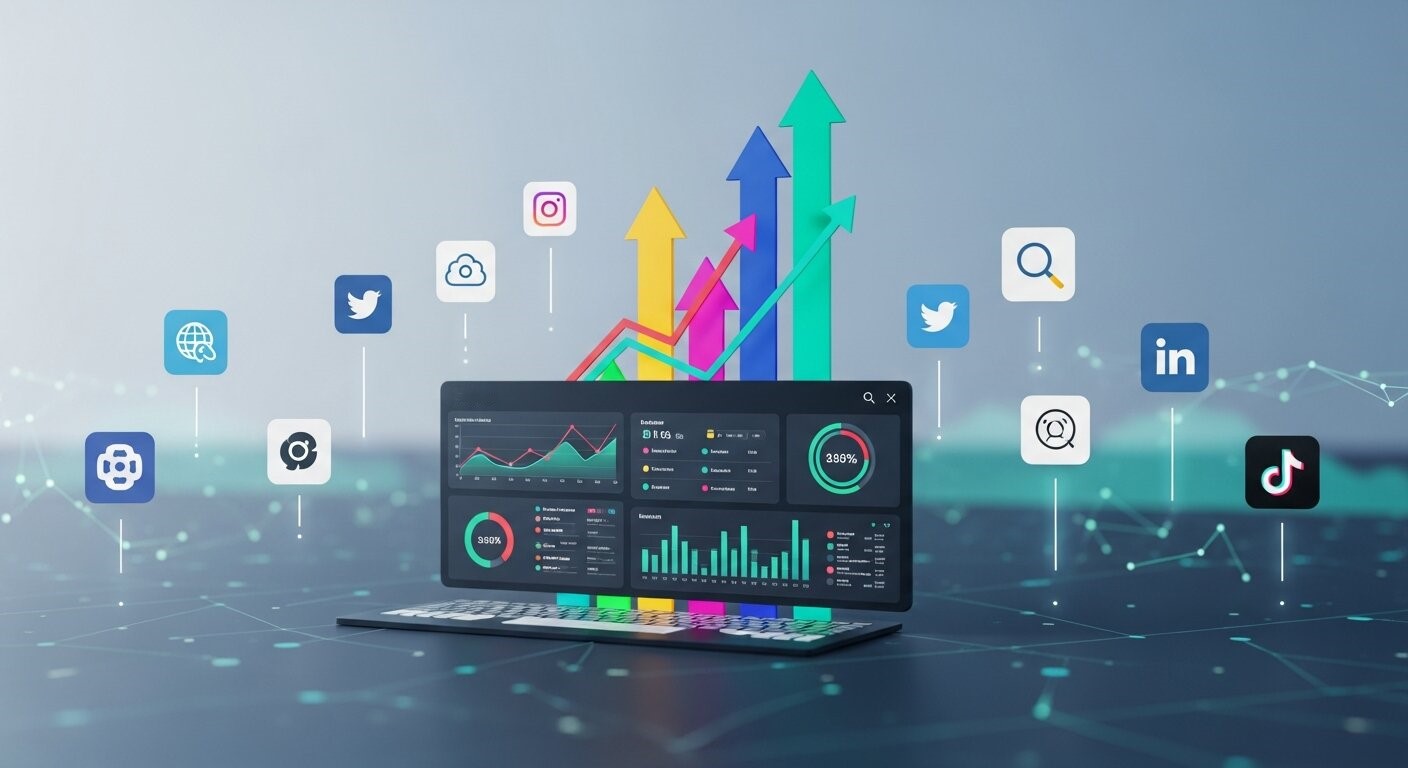
The global internet landscape continues to expand at an unprecedented pace, and this growth is a major driver of the Future of Digital Marketing Growth. Currently, more than 5.16 billion people use the internet, representing 64.4% of the world’s population, according to Datareportal’s Global Digital Report. While developed regions have high penetration rates, the biggest opportunity lies in underprivileged and emerging markets where internet access is rapidly improving. Affordable smartphones, low-cost data plans, and improved digital infrastructure are bringing millions of new users online every year.
For businesses, this growth translates into a constantly expanding potential customer base. Brands are no longer limited to local or national audiences—they can now reach international consumers in regions that were previously inaccessible. In the context of the Future of Digital Marketing Growth, tapping into these emerging markets isn’t just an option; it is essential. Companies that recognize and invest in strategies targeting these audiences will likely experience substantial long-term gains, from increased brand awareness to higher conversions.
Moreover, the rise of mobile internet usage has changed how consumers interact with content. From social media browsing to mobile shopping, businesses must optimize for mobile-first experiences. Integrating strategies like responsive design, app-based marketing, and location-specific promotions ensures that brands remain relevant in this rapidly growing digital ecosystem.
Increasing Reliance on E-commerce
E-commerce has become a cornerstone of modern retail, and its rapid growth is intricately tied to the Future of Digital Marketing Growth. The pandemic accelerated the shift toward online shopping, making digital channels indispensable for business survival. According to Statista, global e-commerce sales were projected to reach $6.3 trillion in 2023—a staggering number that highlights the sheer scale of opportunity for digital marketers.
E-commerce businesses depend heavily on digital marketing tools such as search engine optimization (SEO), pay-per-click advertising, social media campaigns, email marketing, and retargeting strategies. These channels drive traffic, convert visitors into customers, and foster brand loyalty. As online shopping continues to expand, so too does the demand for innovative digital marketing strategies that can effectively capture consumer attention.
The Future of Digital Marketing Growth will likely see even more sophisticated integrations between e-commerce platforms and marketing technologies. From AI-driven product recommendations to personalized email campaigns based on browsing behavior, businesses will be able to anticipate customer needs and deliver highly targeted experiences. This tight coupling of e-commerce and digital marketing ensures that as online retail grows, the scope and sophistication of marketing will grow alongside it.
Moreover, video content is highly adaptable. Businesses can repurpose it for social media posts, email campaigns, landing pages, and ads, creating a cohesive multi-channel strategy that aligns with modern consumer behavior. Brands looking for expert insights on content marketing can refer to Digital Content Marketing: Your Complete Guide.
Shifts in Consumer Behavior
Consumer habits have fundamentally shifted. People now spend more time online, whether scrolling through social media, streaming content, or browsing online stores. Platforms like YouTube, TikTok, and Instagram are prime real estate for marketers, allowing them to reach audiences in an environment where they’re already engaged.
According to Edison Research, the average American spends more than 5 hours a day online, with much of that time spent consuming digital content. These habits indicate a steady demand for creative and engaging marketing tailored to these platforms.
Key Trends Driving Digital Marketing Growth
The Rise of AI-Powered Marketing
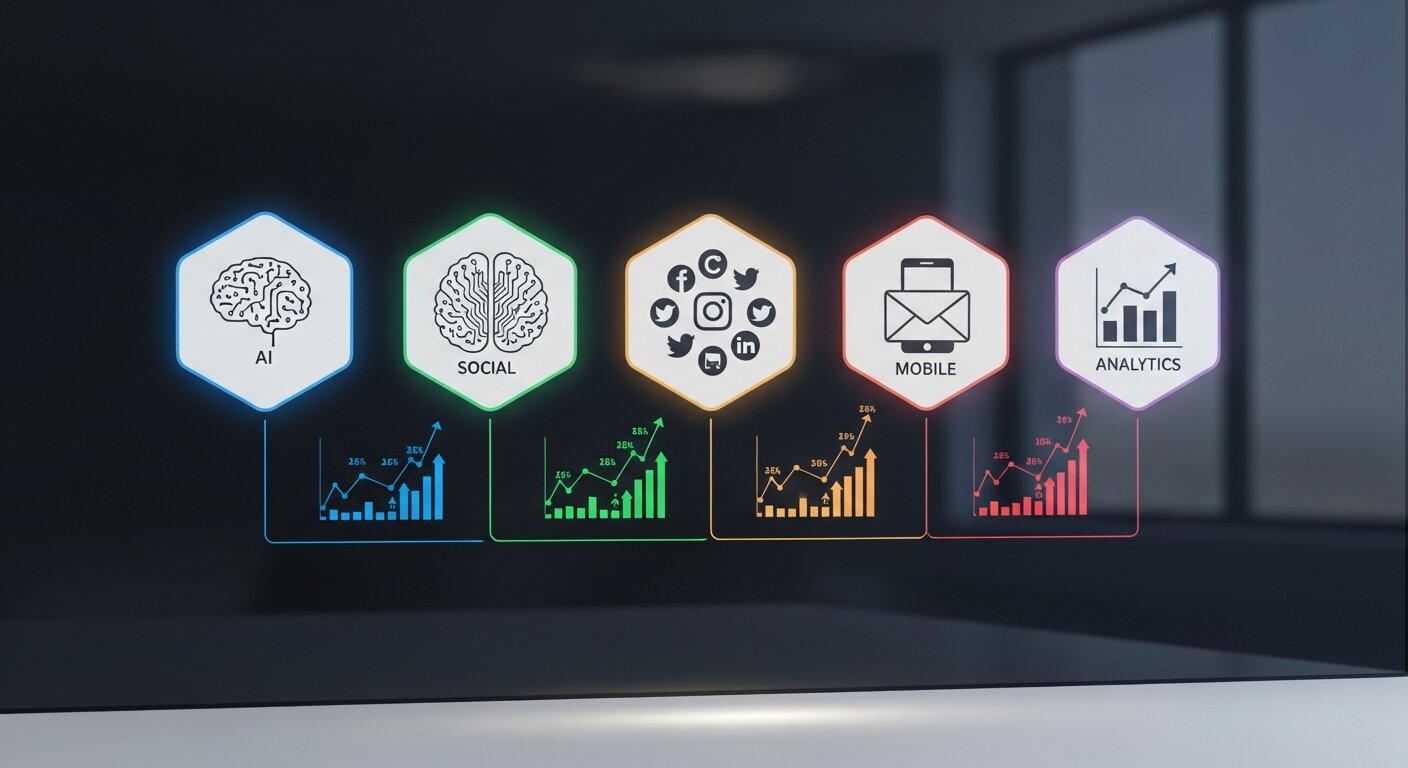
Artificial intelligence (AI) has become a cornerstone in shaping the Future of Digital Marketing Growth by enabling marketers to deliver highly personalized, data-driven, and efficient campaigns. AI-driven tools allow businesses to analyze vast amounts of customer data, predict behavior, and provide real-time recommendations for engagement. This capability not only improves marketing efficiency but also creates a more seamless and tailored customer experience across all digital touchpoints.
AI applications in digital marketing are vast. Chatbots and virtual assistants can handle customer queries 24/7, ensuring timely responses and freeing human agents for complex tasks. Personalization engines can dynamically modify website content, product recommendations, or email campaigns based on individual user behavior, creating a unique journey for each customer. Predictive analytics can forecast trends, helping marketers allocate budgets more strategically and prioritize channels that will deliver the highest ROI.
Tools like Outwrite and Jasper have transformed content marketing by assisting in content creation and optimization. From generating SEO-optimized blog posts to refining copy for clarity, grammar, and engagement, AI enables marketers to produce high-quality content at scale. Meanwhile, AI-powered advertising platforms on Facebook, Google, and other channels analyze user behavior in real time, adjusting targeting parameters to reach the most relevant audiences efficiently.
As AI continues to advance, its role in the Future of Digital Marketing Growth is expected to expand further, driving hyper-personalization, predictive insights, and automated campaign optimizations that redefine how brands engage with consumers.
The Growing Dominance of Video Content
Video content is rapidly reshaping the landscape of digital marketing, playing a pivotal role in the Future of Digital Marketing Growth. Short-form videos on platforms like TikTok, Instagram Reels, and YouTube Shorts have exploded in popularity, transforming how consumers discover, interact with, and share brand messages. According to Wyzowl, over 91% of businesses now use video as a marketing tool, and 96% of consumers report that video helps them make purchasing decisions.
Video allows brands to tell compelling stories that resonate emotionally with audiences. Interactive live streams, product demonstrations, and personalized video advertisements enhance engagement and drive conversions by providing content that is both entertaining and informative. For examples of effective campaigns, check our E-Commerce Marketing Examples That Actually Work.
Moreover, video content is highly adaptable. Businesses can repurpose it for social media posts, email campaigns, landing pages, and ads, creating a cohesive multi-channel strategy that aligns with modern consumer behavior. In the context of the Future of Digital Marketing Growth, the ability to produce engaging video content efficiently and leverage analytics to track viewer behavior will become increasingly critical for brands aiming to maintain competitive advantage.
The Power of Voice Search and Smart Devices
The rise of smart speakers and voice-activated devices is another trend fueling the Future of Digital Marketing Growth. Devices such as Amazon Echo, Google Nest, and Apple HomePod are changing how consumers search for information, shop, and interact with brands online. By 2024, it’s estimated that 55% of U.S. households will own a smart speaker, demonstrating the growing influence of voice as a search medium.
Voice search demands a shift in SEO and content strategy. Marketers must optimize content for natural language queries, focusing on conversational keywords, question-based phrases, and concise, informative answers. Structured data, FAQs, and schema markup also become crucial in ensuring content is easily discoverable via voice-enabled devices.
Brands that leverage voice search optimization gain a first-mover advantage in capturing highly engaged, intent-driven audiences. As smart devices become more integrated into daily life, their influence on consumer decision-making will continue to grow, making voice search an essential pillar in the Future of Digital Marketing Growth.
Influencer Marketing Continues to Evolve
Influencer marketing has shown no signs of slowing down. Stats from Influencer Marketing Hub reveal that the industry is expected to grow to $21.1 billion in 2023.
Micro-influencers (with smaller, niche audiences) are gaining popularity due to their high levels of trust and engagement with followers. Platforms like Instagram, TikTok, and YouTube remain hubs for influencer partnerships, where brands are collaborating with creators to drive authentic connections with consumers.
AR and VR Experiences Gain Momentum
Emerging technologies like augmented reality (AR) and virtual reality (VR) are expanding how marketing messages are delivered. Brands use AR for interactive ads, virtual try-ons, and immersive customer experiences.
For instance, IKEA’s “IKEA Place” app allows users to visualize furniture in their homes using AR, while brands like Sephora use AR for virtual makeup try-ons. Engagement-focused marketing strategies like these are redefining how brands connect with customers digitally.
Businesses can also explore B2B Digital Marketing Strategies for integrating AR/VR in niche markets and enterprise-level campaigns.
Challenges Facing Digital Marketing Growth
Of course, the future of digital marketing is a hard call. Helvetius uses custom-designed A/B tests to determine exactly how people prefer GRUNT to Big Money Mail.
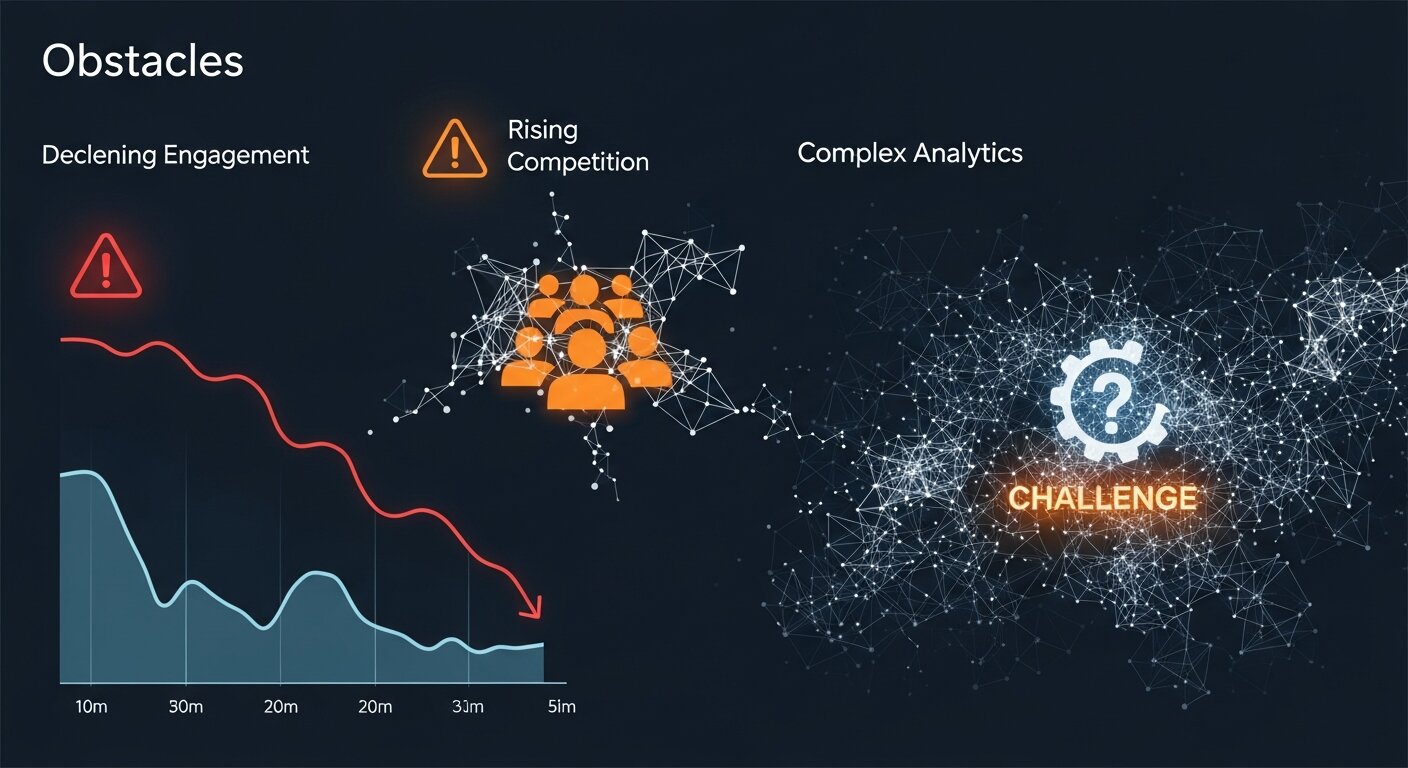
Overreliance on digital channels can lead to “ad fatigue” among audiences, where users begin to ignore or even block out ads.
And, if you advertise data privacy is simply a fact of life. Stricter regulations like the GDPR and CCPA have put consumer privacy rights on the international stage, making it imperative for marketers to be more transparent about their data collection and use. Please excuse critically I should have said earlier that in digital marketing, adapting to the changing legal terrain will be essential for long-term success.
Finally, the rise of digital marketing means digital ad costs are also on the increase. To be noticed in a crowded digital sea, better creativity and the innovative application of technology are building blocks.
Overreliance on digital channels can lead to “ad fatigue,” where users ignore or block out ads. Stricter regulations like GDPR and CCPA make transparency around data collection essential. Increasing digital ad costs and rapid technological change require creativity, agility, and investment in innovative marketing strategies. For guidance on avoiding common pitfalls, see Why Your Digital Marketing CTR Matters and How to Fix It.
What Businesses Should Focus on Moving Forward
To stay ahead in the dynamic digital marketing landscape, businesses need to focus on a few key areas:
- Invest in Data-Driven Strategies: Use analytics to inform decisions about your audience’s preferences, behaviors, and purchasing patterns.
- Prioritize Omnichannel Marketing: Engage customers across multiple platforms for a cohesive brand experience.
- Ensure Ethical Marketing: Be transparent about your use of consumer data and maintain trust with your audience.
- Be Agile: Adapt quickly to technological changes, new consumer habits, and emerging trends.
- Leverage Personalization: Make your marketing experiences feel tailored to your audience, creating stronger connections.
Digital Marketing Will Continue to Thrive
Over the coming years digital marketing appears poised for continuous growth. Through technical improvements, changes in consumer habits and the increasing significance of online presence for organizations of all sizes.
The winning formula is being adaptable, innovative and concerned with around the customer. Businesses will be able not only to stay up to digital marketing trends with tools such as learning algorithms and video content but can also set them by using AR
If you’re aiming to make sure your marketing strategies do not become tokens of the past for your company, the time to make that move is now. It’s important to stay alert and keep asking questions; remember that platforms and professionals who can help guide you to success never hurt in the competitive world of digital marketing. At your next big growth opportunity, it’s just one click away.
Frequently Asked Questions (FAQ)
What is the Future of Digital Marketing Growth?
The Future of Digital Marketing Growth refers to the evolving landscape of digital marketing, driven by technology, consumer behavior, and global market expansion. It encompasses trends like AI, AR/VR, video dominance, personalization, and data-driven strategies that will shape how businesses engage with audiences in the coming years.
Which trends are most critical for the Future of Digital Marketing Growth?
Key trends include AI-powered marketing, immersive experiences with AR and VR, video content, influencer partnerships, voice search optimization, data analytics, and ethical marketing practices. These trends are shaping how marketers plan campaigns, engage audiences, and drive measurable results.
How can businesses prepare for the Future of Digital Marketing Growth?
Businesses should invest in analytics tools, adopt emerging technologies, focus on omnichannel marketing, prioritize ethical and transparent practices, and remain agile. They should also monitor consumer trends and adapt strategies to maintain relevance in a rapidly evolving digital landscape.
Will small businesses benefit from the Future of Digital Marketing Growth?
Absolutely. While large enterprises often lead in technology adoption, small businesses can leverage digital marketing trends such as social media, email marketing, and personalized campaigns to reach niche audiences, enhance engagement, and compete with bigger players.
What challenges might affect the Future of Digital Marketing Growth?
Challenges include data privacy regulations, ad fatigue among users, increasing digital ad costs, and the need for constant technological adaptation. Businesses must balance innovation with compliance, creativity with measurement, and automation with human oversight.
How does technology influence the Future of Digital Marketing Growth?
Technologies like AI, AR/VR, IoT, and predictive analytics enable more personalized, immersive, and measurable marketing. They allow brands to reach audiences efficiently, understand consumer behavior, and deliver experiences that are both interactive and memorable.



Leave a Reply