

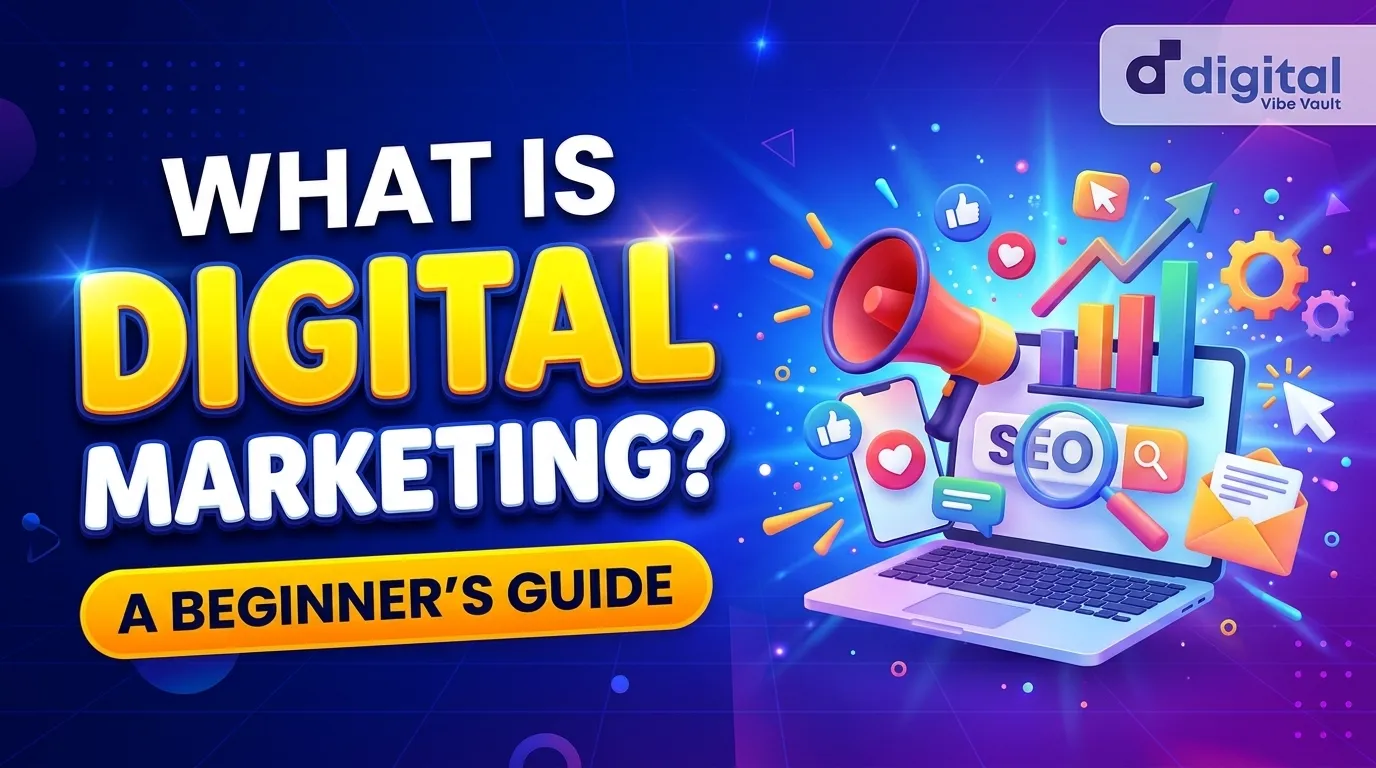
Digital marketing is the process of promoting products, services, and brands through online platforms such as search engines, social media, websites, and email. It helps businesses connect with their target audiences, increase brand awareness, generate leads, and improve sales. This beginner’s guide explains the fundamentals of digital marketing, its major types, effective strategies, important channels, and practical techniques such as SEO, social media, content creation, and email marketing.
Digital Marketing for Beginners
In today’s technology-driven world, businesses need more than traditional advertising to reach potential customers. People spend a significant amount of time browsing websites, using social media, watching videos, and searching for products online. This change in consumer behavior has made digital marketing an essential part of modern business growth. Digital marketing refers to promoting products, services, or brands through internet-based platforms and digital technologies. It allows businesses to communicate directly with their audiences through websites, search engines, social media platforms, email campaigns, and other online channels.
For beginners, understanding the basic concept is the first step toward building an effective online presence. Unlike traditional advertising, online promotion allows businesses to target specific audiences based on their interests, location, age, and online behavior. It also provides measurable results, helping marketers understand which campaigns are performing well. Small businesses, startups, freelancers, and large organizations can all benefit from these methods. Even a beginner can start learning by creating useful content, improving website visibility, and building relationships with potential customers online.
Types of Digital Marketing
There are several types of digital marketing, and each one serves a different purpose. Choosing the right methods depends on business objectives, available resources, and the target audience. Search engine marketing helps businesses appear in search engine results through organic optimization and paid advertisements. Social media marketing focuses on connecting with audiences through platforms such as Facebook, Instagram, LinkedIn, and TikTok. Content marketing involves publishing valuable information through blogs, videos, guides, and infographics to attract and educate potential customers.
Email marketing is another important method that allows businesses to communicate directly with subscribers. Affiliate marketing helps companies promote their products through partnerships with publishers and content creators. Influencer marketing uses the reach and credibility of online personalities to introduce products to relevant audiences. Video marketing, mobile marketing, and display advertising are also widely used. Each type offers different opportunities, but combining suitable methods can create a more effective promotional approach. For example, a business might publish educational blog articles, share those articles on social media, and use email campaigns to reach existing subscribers. This combination can help attract new visitors while maintaining relationships with current customers.
Digital Marketing Strategies
A successful digital marketing campaign begins with a clear strategy. Simply publishing content or running advertisements without a defined objective can waste time and money. Businesses should first identify what they want to achieve, whether that means increasing website traffic, generating leads, improving brand recognition, or increasing sales. Understanding the target audience is equally important. Marketers should research customer needs, interests, purchasing habits, and common problems. This information helps businesses create relevant messages that connect with potential customers.
Another important step is competitor research. Studying competing businesses can reveal content opportunities, successful promotional methods, and areas where a brand can offer something different. Businesses interested in reaching other companies can also explore B2B digital marketing strategies to understand how online promotion supports business-to-business relationships. Content planning, search optimization, social media engagement, and email communication should work together rather than operate independently. Businesses should also establish measurable goals and regularly review campaign performance. Tracking website visits, conversion rates, engagement, and customer acquisition costs makes it easier to improve future campaigns.
Benefits of Digital Marketing
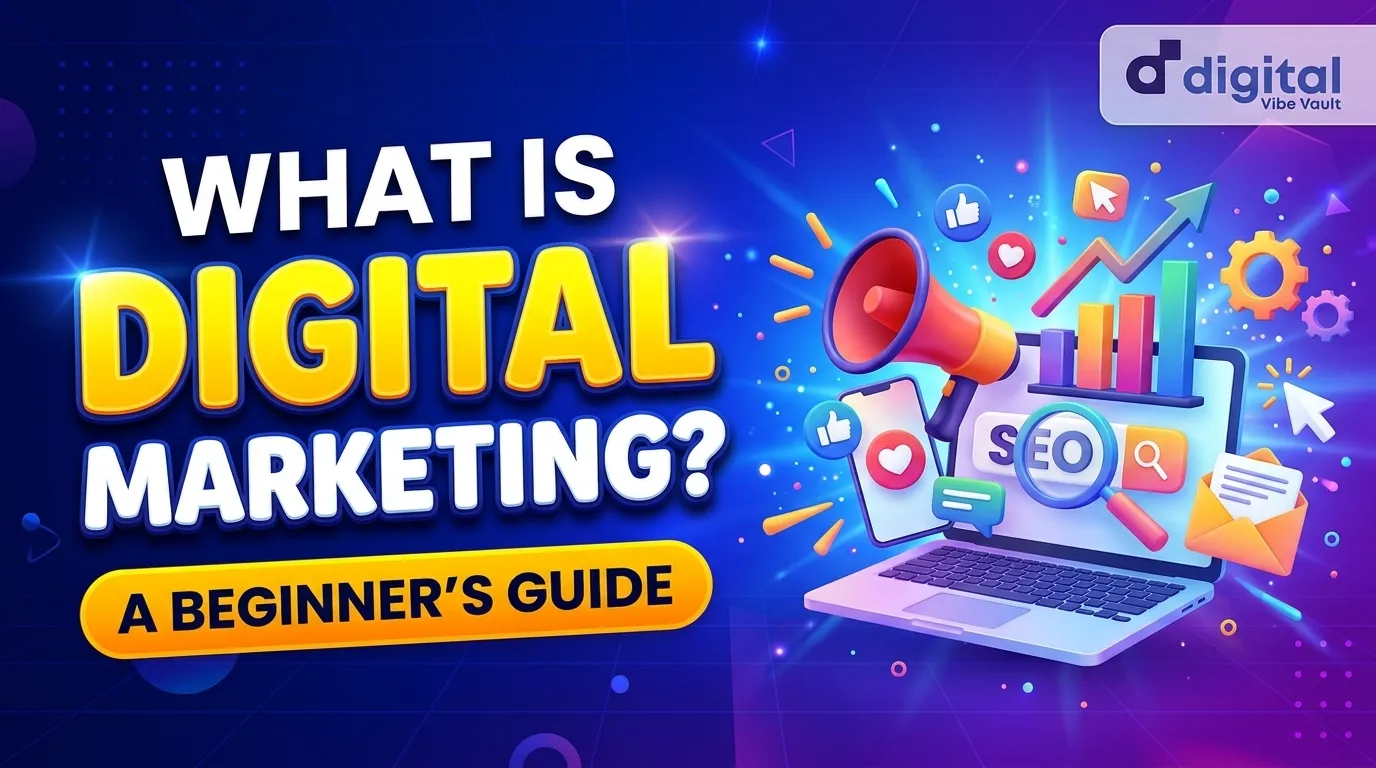 One of the biggest advantages of digital marketing is its ability to reach a large audience without requiring the same investment as many traditional advertising methods. Businesses can promote their products locally, nationally, or internationally depending on their goals and budgets. Another major benefit is precise audience targeting. Online advertising platforms allow businesses to reach people based on demographics, interests, location, and behavior. This helps reduce unnecessary advertising expenses and makes campaigns more relevant.
Measurable performance is another important advantage. Businesses can monitor website traffic, clicks, impressions, leads, and sales through analytics tools. These insights help marketers understand what works and where improvements are necessary. Online promotion also improves customer communication. Through social media comments, direct messages, email newsletters, and website contact forms, businesses can answer questions and build stronger relationships with their audiences.
It can also support business development by creating new opportunities, attracting potential customers, and strengthening brand credibility. Businesses looking to expand their operations can learn more about business development and how building customer relationships contributes to long-term growth. Overall, these advantages make digital marketing valuable for businesses of different sizes and industries.
Online Marketing Techniques
Online marketing techniques are the practical methods businesses use to attract visitors, communicate with customers, and encourage purchases. The most effective techniques depend on the type of business and the behavior of its audience. Search engine optimization helps websites appear in relevant search results. Creating helpful blog posts, improving page loading speed, optimizing website structure, and using relevant keywords can improve organic visibility.
Paid advertising is another useful technique. Businesses can run search advertisements, display campaigns, and social media promotions to reach specific audiences. However, campaigns should have clear goals and carefully managed budgets. Content creation is also essential. Publishing informative articles, educational videos, product demonstrations, and useful guides can attract people who are looking for solutions to particular problems.
Retargeting is another technique that allows businesses to reconnect with people who previously visited their websites or interacted with their advertisements. It can remind interested visitors about products or services they have already explored. Businesses selling online products can combine these methods with specialized campaigns. For example, digital products for students can be promoted through educational content, targeted advertisements, and email campaigns that address students’ learning needs. The key is to select techniques that match customer expectations and provide genuine value rather than focusing only on promotional messages.
Digital Marketing Channels
Marketing channels are the platforms and communication methods businesses use to reach their audiences online. Selecting appropriate channels is important because customers may use different platforms depending on their interests, age groups, and purchasing habits. Search engines such as Google are important channels because people frequently use them to find information, compare products, and discover services. Websites and blogs provide businesses with a central place to share information and convert visitors into customers.
Social media platforms help brands communicate with audiences, publish updates, share visual content, and build communities. LinkedIn is particularly useful for professional networking and business-to-business communication, while Instagram and TikTok are popular for visual and short-form content. Email remains a valuable communication channel because it allows businesses to send personalized messages directly to subscribers. Video-sharing platforms also help companies explain complicated products, demonstrate services, and increase audience engagement.
Although online channels are important, businesses should not ignore traditional media when it matches their audience. Television advertising, for instance, can still help companies increase mass-market visibility and build brand recognition. Understanding the benefits of television advertising for businesses can help marketers consider how traditional and online promotional channels may complement each other. A balanced channel strategy helps businesses maintain consistent communication wherever their customers spend time.
Search Engine Optimization (SEO)
 Search engine optimization, commonly known as SEO, is the process of improving a website so that it can appear more prominently in relevant search engine results. It is one of the most important long-term methods for attracting organic website traffic. SEO generally includes three major areas: on-page SEO, off-page SEO, and technical SEO. On-page SEO focuses on improving individual website pages through relevant keywords, informative content, descriptive headings, title tags, meta descriptions, and internal links.
Off-page SEO involves activities that build a website’s reputation and authority outside its own pages. Earning quality backlinks from relevant and trustworthy websites is an important part of this process. Technical SEO focuses on website performance, mobile usability, indexing, site structure, and page accessibility. Keyword research is an essential part of SEO. It helps marketers understand what people search for and what information they expect to find. Instead of repeating keywords unnecessarily, website owners should use relevant search terms naturally while creating useful and informative content.
Internal linking is another valuable practice. Connecting related articles helps readers discover additional information and allows search engines to understand the relationship between different pages. SEO requires consistency and patience because organic rankings do not usually improve overnight. By regularly updating content, improving user experience, and following search engine guidelines, businesses can build a stronger online presence over time.
Social Media Marketing
Social media marketing involves using social networking platforms to promote brands, communicate with customers, and increase audience engagement. It has become an important part of modern business communication because millions of people use social platforms to discover products, follow brands, and share recommendations. Businesses can use Facebook, Instagram, LinkedIn, TikTok, Pinterest, and other platforms depending on their target audiences. Each platform has different strengths, so selecting the right one is more important than trying to maintain a presence everywhere.
For example, a fashion brand may benefit from Instagram and Pinterest because they support visual storytelling. A professional consulting company may find LinkedIn more useful for reaching business owners and industry professionals. Successful social media campaigns require consistent publishing and meaningful interaction. Businesses should share a mixture of educational posts, entertaining content, product information, customer experiences, and behind-the-scenes updates.
Responding to comments and messages is equally important because it shows customers that a business values their opinions. Social listening can also help companies understand customer concerns and identify emerging trends. Paid social media advertising can expand reach and help businesses target particular audience groups. However, advertisements should be relevant, visually appealing, and supported by clear messaging. The main objective should be to build trust and meaningful relationships rather than simply collecting followers.
Content Marketing Basics
Content marketing is the practice of creating and sharing useful, relevant, and informative material to attract and retain a clearly defined audience. Instead of constantly asking people to purchase something, businesses provide information that helps customers understand their needs and make better decisions. Common content formats include blog posts, articles, videos, infographics, podcasts, case studies, tutorials, and downloadable guides. Each format serves a different purpose and can reach audiences with different preferences.
For beginners, blogging is a practical way to start. A business can publish articles that answer common customer questions, explain industry topics, or provide solutions to everyday problems. Well-researched content can also support SEO by helping websites appear for relevant search queries. Content should be original, accurate, easy to understand, and organized around the needs of readers. Using clear headings, helpful examples, and relevant internal links can improve the overall reading experience.
A content calendar can help businesses plan their publishing schedule and maintain consistency. It also makes it easier to balance different content topics and formats. Another important consideration is updating existing material. Information can become outdated, so reviewing older articles and adding relevant information helps maintain their usefulness. When content marketing is combined with social media, SEO, and email communication, businesses can create a consistent experience that attracts new visitors and encourages long-term customer relationships.
Email Marketing Strategies
 Email marketing is the process of sending targeted messages to people who have subscribed to receive communication from a business. It remains an effective way to share updates, promote products, educate customers, and maintain relationships. A successful email campaign begins with building a permission-based subscriber list. Businesses can encourage visitors to subscribe through website forms, newsletters, downloadable resources, and special offers. Sending unsolicited promotional emails should be avoided.
Segmentation is another important strategy. Instead of sending the same message to everyone, businesses can divide subscribers into groups based on their interests, preferences, previous purchases, or engagement. This allows marketers to deliver more relevant content. Personalization can also improve the customer experience. Using a subscriber’s name, recommending relevant products, and sharing information based on previous interactions can make emails more useful.
Businesses should also pay attention to subject lines, email design, mobile responsiveness, and clear calls to action. Every email should have a purpose, whether it is encouraging readers to visit a website, explore a product, or complete a purchase. For online stores, automated email campaigns can be particularly valuable. Welcome emails, abandoned-cart reminders, order confirmations, and post-purchase follow-ups help maintain communication throughout the customer journey. Businesses can explore e-commerce email marketing to learn more about using email campaigns to improve customer engagement and online sales. Finally, tracking open rates, click-through rates, conversions, and unsubscribe rates helps marketers understand campaign performance. Testing different subject lines and message formats can also reveal what works best for an audience.
Conclusion
Digital marketing has become an important part of how modern businesses communicate with customers, promote products, and build their brands. From SEO and social media to content creation and email campaigns, each method provides different opportunities to connect with potential customers. For beginners, the best approach is to understand the fundamentals, choose suitable channels, create valuable content, and measure results consistently. There is no need to master every technique at once. Starting with a few practical methods and improving them over time can help develop the knowledge and experience needed for long-term success. As technology and consumer behavior continue to evolve, businesses that focus on providing value, understanding their audiences, and adapting their strategies will be better positioned to grow in the online marketplace.
FAQ
1. What is digital marketing in simple words?
Digital marketing is the promotion of products, services, or brands through internet-based platforms. It includes websites, search engines, social media, email, and online advertisements to reach potential customers.
2. Is digital marketing suitable for beginners?
Yes, beginners can learn digital marketing without having advanced technical knowledge. Starting with basic SEO, content creation, and social media management can help build practical skills over time.
3. What are the main types of digital marketing?
The main types include search engine optimization, search engine marketing, social media marketing, content marketing, email marketing, affiliate marketing, influencer marketing, and video marketing.
4. Can I learn digital marketing for free?
Yes, many free online resources, tutorials, educational websites, and practice tools are available. Beginners can develop their knowledge by studying marketing fundamentals and experimenting with their own websites or social media accounts.
5. How long does it take to learn digital marketing?
The time required depends on your learning schedule and goals. You can understand the fundamentals within a few weeks, but developing professional-level skills generally requires several months of consistent learning and practical experience.
6. Which digital marketing channel is best for small businesses?
There is no single best channel for every business. SEO, social media, email marketing, and local search optimization can all be useful. The right choice depends on the target audience, industry, and available budget.
7. What is the difference between SEO and digital marketing?
SEO is one specific part of digital marketing. It focuses on improving a website’s visibility in organic search results, while digital marketing includes a wider range of online promotional methods.
8. Does digital marketing require coding skills?
No, coding is not necessary for most beginner-level marketing activities. However, understanding basic HTML, website management, and analytics can be helpful as you develop more advanced skills.
9. How can businesses measure digital marketing success?
Businesses can measure performance through website traffic, search rankings, social media engagement, email clicks, lead generation, conversion rates, and return on advertising investment. These metrics help determine whether campaigns are meeting their objectives.
10. Is digital marketing a good career choice?
Yes, digital marketing offers opportunities in SEO, content writing, social media management, paid advertising, email marketing, analytics, and strategy development. As businesses continue using online platforms to reach customers, these skills can be valuable across many industries.



Leave a Reply