

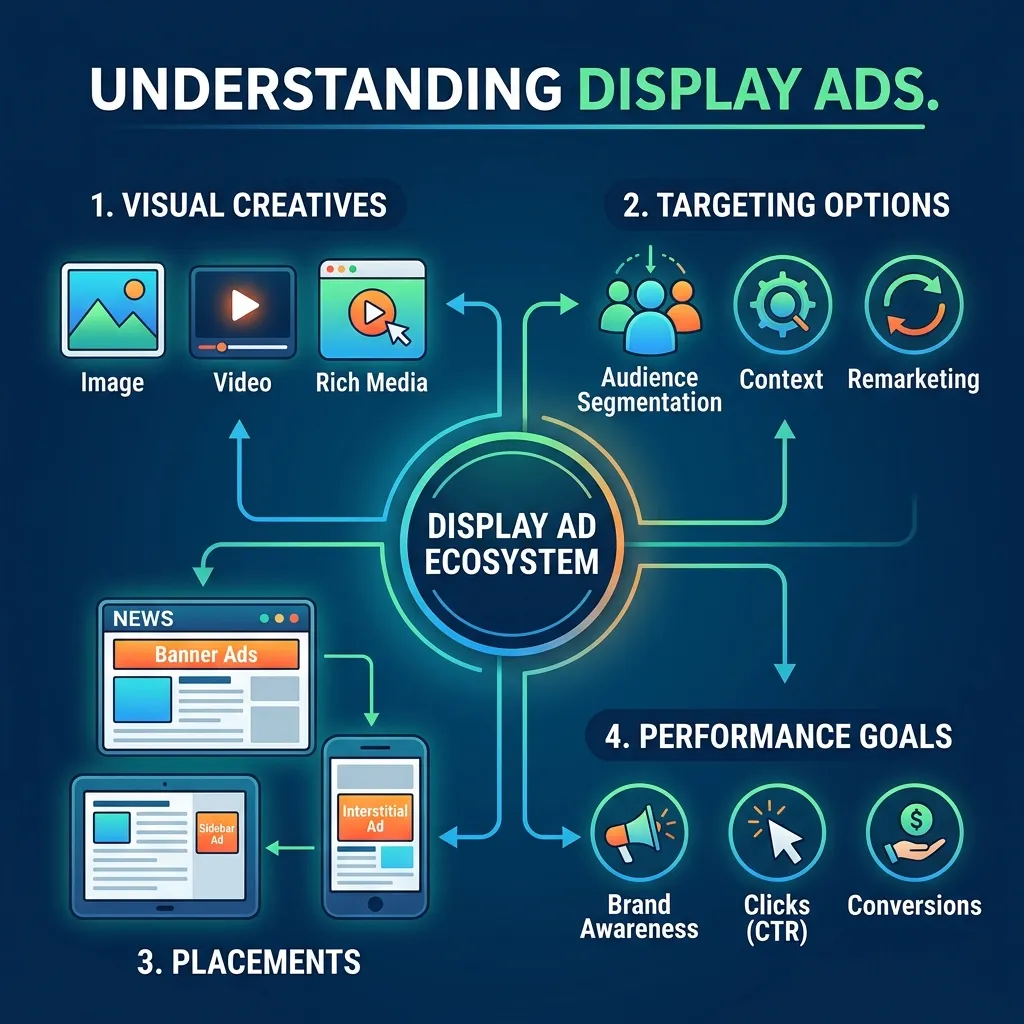
Digital marketing has revolutionized how businesses connect with their audiences. Among the various marketing tools available, display ads are one of the most effective and versatile options. If you’ve scrolled past visually engaging ads on your favorite websites or apps, you’ve already encountered display ads in action.
This guide will walk you through everything you need to know about display ads in digital marketing, including how they work, their benefits, and tips for creating successful campaigns.
What Are Display Ads?
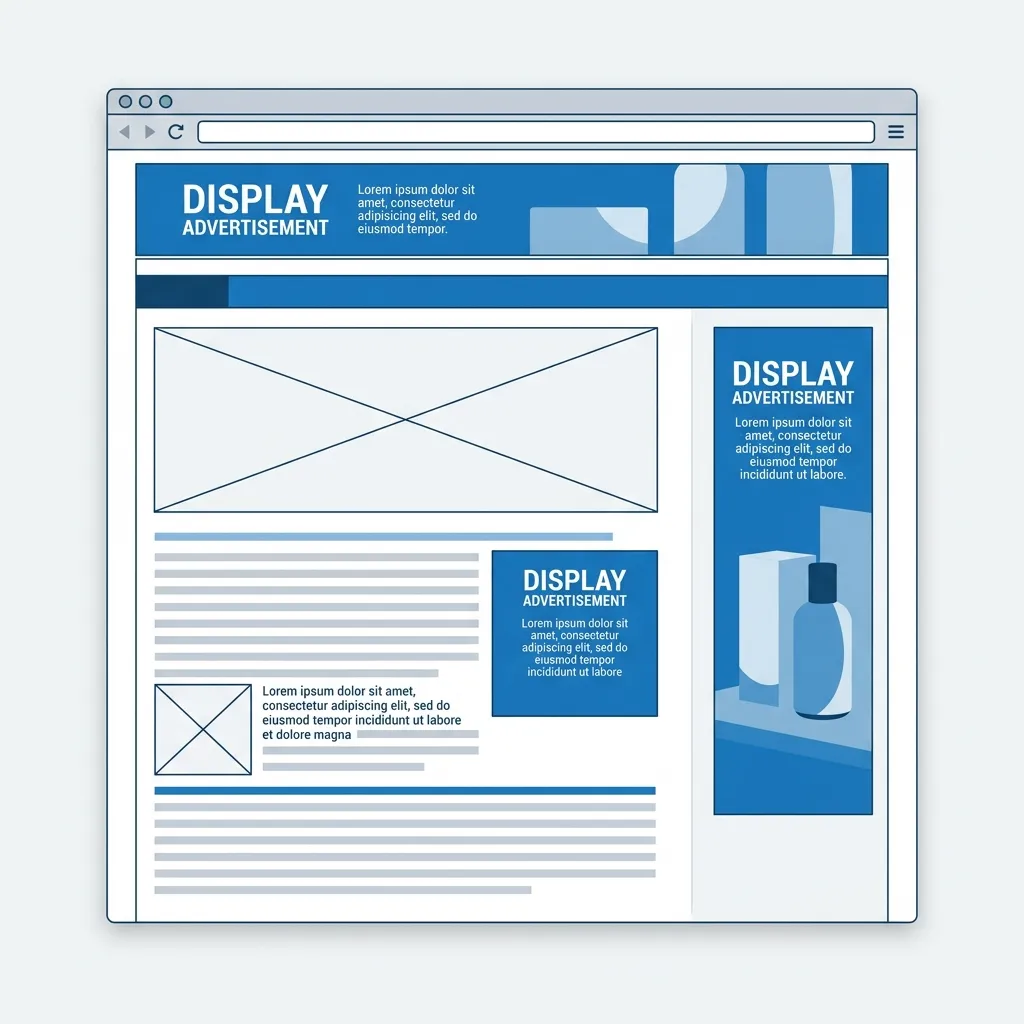
Display ads are visual advertisements that appear across websites, mobile apps, video platforms, and social media. Unlike text-based search ads, display ads rely on eye-catching images, graphics, colors, animations, and videos to capture attention and encourage users to take action. Their visual nature makes them one of the most effective digital advertising formats for increasing brand awareness and engaging potential customers.
Display ads come in many different formats, including banner ads, sidebar ads, pop-up ads, rich media ads, responsive display ads, and interactive video ads. These advertisements can appear while users browse news websites, read blogs, watch videos, or use mobile applications. Because they are placed where people already spend their time online, display ads help businesses stay visible throughout the customer journey.
One of the biggest advantages of display ads is advanced audience targeting. Advertisers can reach users based on demographics such as age, gender, location, interests, browsing behavior, purchase intent, device type, and even previous interactions with a website. This allows businesses to deliver highly relevant advertisements instead of showing the same message to everyone.
Display ads are also widely used for remarketing campaigns. For example, if someone visits an online store but leaves without making a purchase, they may later see display ads for the same products while browsing other websites. This reminder often increases the likelihood of returning and completing the purchase.
In short, display ads are the digital equivalent of traditional billboards and magazine advertisements—but with much greater precision. They allow businesses to reach the right audience at the right time, measure campaign performance in real time, and continuously optimize results. Whether the goal is building brand awareness, generating leads, or increasing online sales, display ads remain a powerful and cost-effective digital marketing tool.
How Do Display Ads Work?
Display ads are delivered through advertising networks such as the Google Display Network or the Facebook Audience Network. These platforms connect advertisers with millions of websites, mobile apps, and online publishers that have advertising space available. Whenever a user visits one of these sites, the ad network automatically determines which advertisement is most relevant to display based on targeting settings, bidding strategies, and user behavior.
Here’s how the process typically works:
Advertiser Creates a Campaign
Businesses first design their display ad creatives, which may include images, videos, animations, headlines, descriptions, and calls to action. They then create a campaign using platforms like Google Ads, selecting their campaign objective, audience targeting options, budget, bidding strategy, and ad placements.
Ad Networks Match Ads to Users
Once the campaign is live, the advertising network analyzes available ad inventory and matches ads with users who fit the advertiser’s targeting criteria. This matching process considers factors such as demographics, interests, browsing history, search behavior, device type, location, and contextual relevance.
Display Ads Appear Across Websites and Apps
When users visit websites or mobile applications that participate in the advertising network, display ads are shown in designated advertising spaces. The exact advertisement displayed depends on the ongoing auction, targeting settings, and the advertiser’s bid.
Users View, Click, and Interact
If the advertisement captures a user’s attention, they may click on it, watch a video, complete a form, install an app, or make a purchase. Even when users do not click immediately, repeated exposure helps build brand recognition and increases the likelihood of future conversions.
Campaign Performance Is Measured
Throughout the campaign, advertisers can monitor important metrics such as impressions, clicks, click-through rate (CTR), conversions, conversion rate, cost per click (CPC), return on ad spend (ROAS), and overall engagement. These insights help marketers refine targeting, adjust budgets, and improve creative performance over time.
Key Components of a Display Ad Campaign
A successful display advertising campaign consists of several essential elements that work together to achieve marketing goals.
Ad Creatives
These are the visual elements users see, including banners, images, videos, animations, HTML5 ads, responsive display ads, and GIFs. Strong visuals combined with compelling headlines and clear calls to action significantly improve engagement.
Landing Page
After clicking an advertisement, users are directed to a landing page. This page should load quickly, match the message shown in the ad, and provide a seamless user experience that encourages visitors to complete the desired action, whether it’s making a purchase, requesting a quote, or signing up for a newsletter.
Audience Targeting
Advertisers can target users using factors such as age, gender, geographic location, interests, online behavior, previous website visits, device preferences, income level, language, and custom audience segments. Accurate targeting improves campaign efficiency while reducing wasted ad spend.
Budget and Bidding
Businesses determine how much they are willing to spend daily or over the lifetime of the campaign. They also choose bidding strategies such as cost per click (CPC), cost per thousand impressions (CPM), cost per acquisition (CPA), or automated bidding to maximize performance while staying within budget.
Performance Tracking and Optimization
Modern advertising platforms provide detailed analytics that allow marketers to test different creatives, adjust targeting, optimize bids, and improve campaign performance. Continuous optimization helps increase conversions while lowering advertising costs over time.
Benefits of Display Ads

Display ads are a preferred choice for businesses large and small for good reasons. These include their ability to boost visibility, target audiences precisely, and achieve measurable results.
1. Boosts Brand Awareness
Display ads are great for increasing visibility. With eye-catching visuals, your business can leave a lasting impression on potential customers as they browse online.
2. Highly Targeted Campaigns
Ad networks allow businesses to tailor ads to their ideal audience. For example, you can target users based on their interests, location, and even their recent browsing behavior. This precision maximizes the chances of converting viewers into customers.
3. Supports Retargeting
Display ads are especially effective for retargeting campaigns. These are ads shown to people who have already visited your website. Retargeting reminds users of your product or service and nudges them toward taking action, such as completing a purchase.
4. Cost-Effective
Unlike traditional advertising, display ads allow you to control budgets and only pay when users interact with your ad (pay-per-click). This makes them a cost-efficient choice for businesses.
5. Engagement-Friendly Formats
Display ads go beyond static graphics. They can include rich media like video or interactive elements, encouraging users to engage.
Common Types of Display Ads
Display ads can take many forms, depending on your campaign goals and audience preferences. Here are the most common types:
1. Banner Ads
These are the most well-known type of display ads and appear at the top or sides of a website. Banner ads rely on bold visuals and clear calls-to-action (CTAs) to drive clicks.
2. Video Ads
Short, compelling video ads have become increasingly popular due to their ability to capture attention quickly. These appear on websites, social media, or before streaming content.
3. Pop-Up and Overlay Ads
Pop-up ads appear as separate windows when a user visits a website, while overlay ads sit on top of the page content. Though intrusive, when used sparingly, they can drive conversions.
4. Native Ads
These are designed to blend seamlessly with the platform they appear on, making them less disruptive. Social media ads are a great example of native display ads.
5. Dynamic Ads
Dynamic ads are personalized to show products or services that users have already shown interest in. For example, if someone viewed a specific pair of shoes on your site, the ad displays those exact shoes.
How to Create Effective Display Ads
Creating successful display ads involves strategic planning, creativity, and attention to detail. Here are six actionable tips to ensure your campaign hits its mark:
1. Choose Eye-Catching Visuals
Your visuals must grab attention within seconds. Use bold colors, high-quality images, and clear text to make your ad stand out.
2. Deliver a Clear Message
Keep your message concise and to the point. Focus on the value you’re offering and ensure the text is easy to read.
3. Use a Strong Call-to-Action (CTA)
A clear and compelling CTA like “Shop Now” or “Learn More” guides users toward taking action. Make sure it’s prominently displayed.
4. Optimize Landing Pages
Once a user clicks on your ad, the landing page should deliver on the ad’s promise. The page should be fast-loading, user-friendly, and aligned with the ad’s message.
5. Target the Right Audience
Leverage advanced targeting options to ensure your ad reaches the right people. Monitor audience engagement and adjust targeting settings as needed.
6. Test and Optimize Campaigns
Run A/B tests to determine which version of your ad performs best. Use analytics to track performance and refine your campaign for better results.
Examples of Successful Display Ads in Action
Airbnb
Airbnb uses visually stunning display ads highlighting unique accommodation options. Their ads often feature key benefits like affordability and an “authentic travel experience,” enticing users to click.
Spotify
Spotify targets potential subscribers with personalized banner ads based on user behavior. For example, a frequent listener of rock music might see a display ad for its “Rock Classics” playlist.
Coca-Cola
Coca-Cola’s dynamic display ads leverage striking visuals and short videos that amplify their brand identity while boosting engagement.
How to Get Started with Display Ads
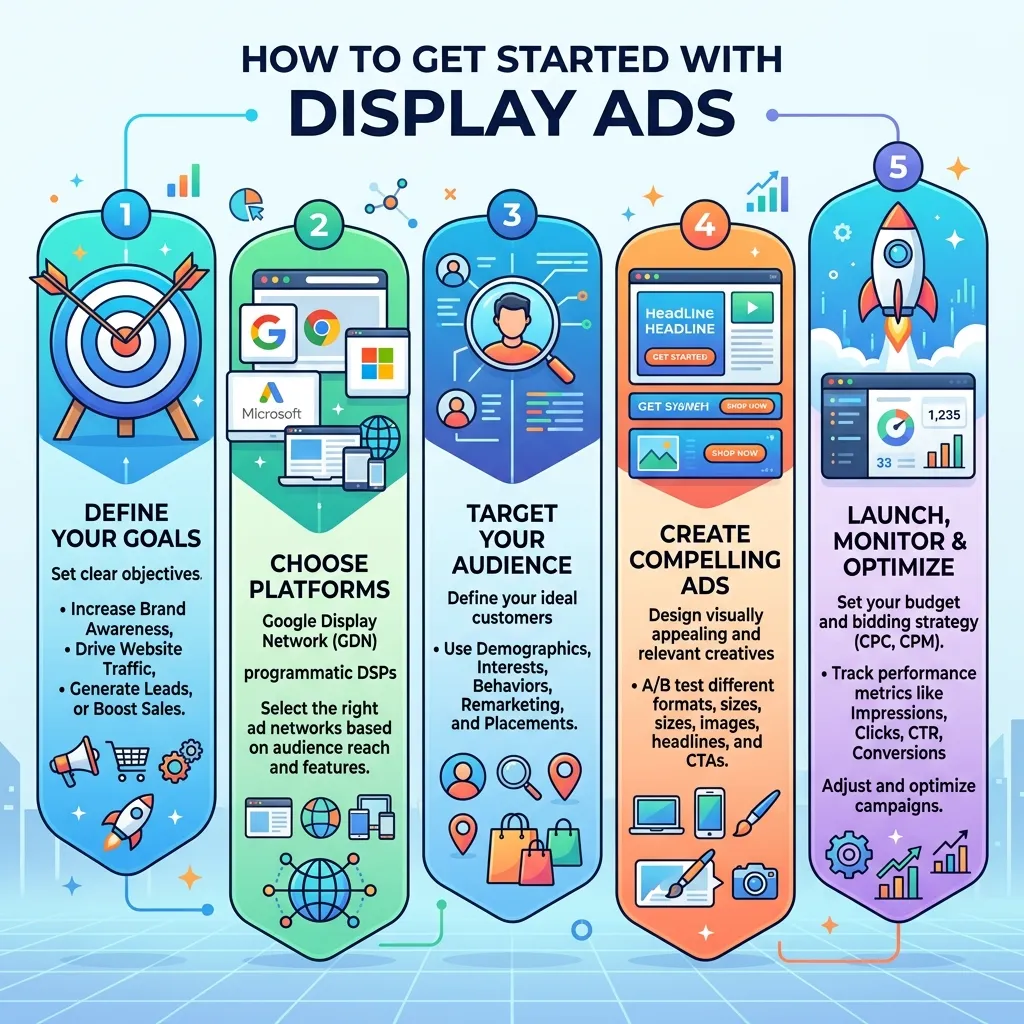
Launching a display ad campaign starts with choosing the right ad network. Popular platforms include:
- Google Display Network: Offers access to millions of websites, YouTube, and mobile apps.
- Facebook Audience Network: Great for targeting users on mobile apps and websites connected with Facebook.
- Programmatic Advertising Platforms: Tools like AdRoll and Criteo help automate ad placement across multiple channels.
Set your campaign goals, design appealing ad creatives, and ensure your budget aligns with your objectives. Most importantly, continuously analyze your campaign data to fine-tune your strategy.
Amplify Your Brand with Display Ads
0 Display ads are a great weapon in the digital marketing world. Each and every sentence is built on a good idea. And the results will soon speak for themselves.1 From boosting brand awareness to driving conversions, their versatility and reach make them a must-have for businesses of all sizes. Their flexibility and reach mean they’re an essential weapon in every company’s marketing armory. And deliver that influence carefully;2By investing in creative ad design, precise targeting, and consistent optimization, you can achieve impressive returns on your campaigns. So pull out all the stops when creating the ads, precisely target your audience and keep the campaign running smoothly.
Frequently Asked Questions (FAQs)
1. What are display ads in digital marketing?
Display ads are visual online advertisements that appear on websites, mobile apps, video platforms, and social media. They use images, videos, animations, and graphics to capture attention and encourage users to take actions such as visiting a website or making a purchase.
2. How do display ads work?
Display ads work through advertising networks that match advertisers with websites and apps that have available ad space. Based on audience targeting, bidding strategies, and user behavior, the network displays relevant ads to potential customers.
3. What is the difference between display ads and search ads?
Display ads are visual advertisements shown across websites and apps to build awareness and engagement, while search ads are text-based ads that appear in search engine results when users actively search for specific keywords.
4. What are the main benefits of display ads?
Display ads help businesses increase brand awareness, reach targeted audiences, support remarketing campaigns, generate leads, drive website traffic, and improve conversions through visually engaging content.
5. Where can display ads appear?
Display ads can appear on millions of websites, blogs, mobile applications, video platforms, news sites, online forums, and social media platforms that participate in advertising networks.
6. What are the different types of display ads?
Common types of display ads include banner ads, responsive display ads, rich media ads, video ads, pop-up ads, native ads, dynamic ads, and interactive HTML5 ads.
7. What is display ad retargeting?
Display ad retargeting is a marketing strategy that shows ads to users who have previously visited your website or interacted with your business. It helps remind potential customers about your products or services and encourages them to return and convert.
8. Are display ads effective for small businesses?
Yes. Display ads are highly effective for small businesses because they offer flexible budgets, precise audience targeting, measurable performance, and the ability to compete with larger brands without requiring a massive advertising budget.
9. Which platforms are best for display advertising?
Some of the most popular display advertising platforms include Google Display Network, Facebook Audience Network, Microsoft Audience Network, AdRoll, Criteo, and other programmatic advertising platforms.
10. How much do display ads cost?
The cost of display ads varies depending on factors such as targeting options, competition, bidding strategy, audience size, and ad quality. Businesses can choose pricing models like CPC (Cost Per Click), CPM (Cost Per Thousand Impressions), or CPA (Cost Per Acquisition).
11. How can I improve the performance of my display ads?
You can improve display ad performance by using high-quality visuals, writing compelling headlines, adding strong calls-to-action, targeting the right audience, optimizing landing pages, and regularly running A/B tests to refine your campaigns.
12. Are display ads good for increasing brand awareness?
Yes. Display ads are one of the most effective digital marketing tools for building brand awareness because they reach large audiences with visually engaging creatives, helping businesses stay top of mind throughout the customer journey.



Leave a Reply