


This blog explores the surprising ways digital marketing thrives offline, showing how QR codes, interactive kiosks, AR experiences, and NFC technology create memorable customer interactions. Offline strategies bridge the gap between physical and digital touchpoints, boosting engagement, personalization, and brand loyalty. By integrating these methods, businesses can drive measurable results beyond screens while enhancing the overall customer journey.
What is Offline Digital Marketing?
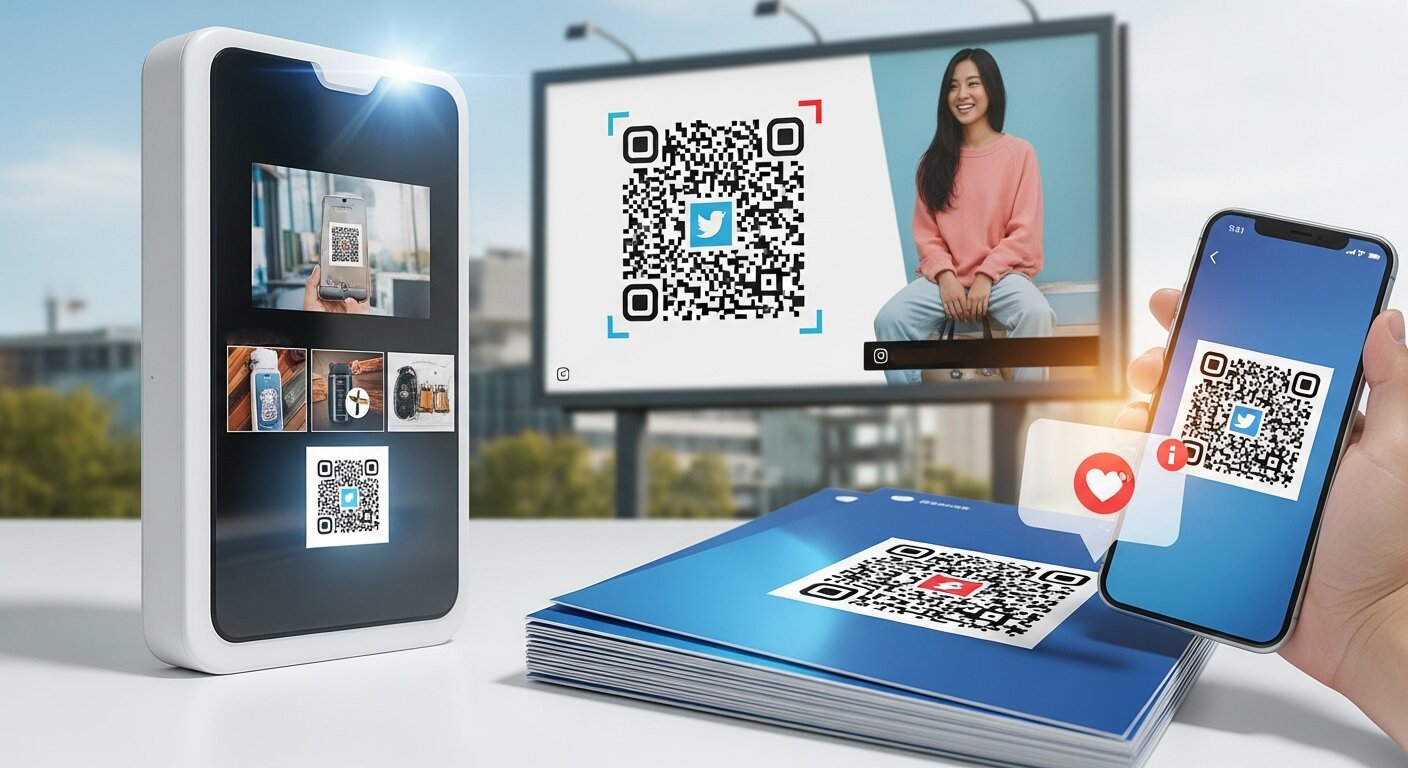
Offline digital marketing refers to the use of digital technology in physical, real-world contexts to engage audiences, promote products or services, and drive conversions. Unlike traditional online campaigns that live entirely on screens, offline digital marketing brings digital experiences into tangible spaces. Examples include QR codes printed on product packaging, interactive digital screens in retail stores, augmented reality installations at events, NFC-enabled displays, and even gamified in-store experiences. These touchpoints create a bridge between the physical and digital realms, allowing brands to engage audiences in environments where online marketing cannot reach.
The beauty of offline digital marketing lies in its ability to create immersive, multi-sensory experiences. Customers can see, touch, and interact with a product or brand in ways that foster stronger emotional connections and long-lasting impressions. While email campaigns, social media ads, and search marketing remain vital, offline digital strategies add a human, experiential dimension that cannot be replicated in purely virtual spaces. By combining creativity, technology, and interactivity, offline digital marketing transforms everyday interactions into memorable brand experiences that resonate long after the moment has passed.
Why Offline Digital Marketing Matters
It Stands Out
Digital overload is real. Consumers are bombarded with emails, pop-up ads, and social media content daily. By extending your digital efforts into the physical world, you can cut through the noise and capture attention where it’s least expected.
Builds Human Connection
Interaction with offline touchpoints feels more personal. Whether it’s a hologram demo in a store or an interactive digital kiosk, these experiences create stronger human connections, ultimately strengthening brand loyalty. Explore small business digital marketing strategies for ideas that work offline too.
Integrates Seamlessly into Omni-Channel Strategies
Offline digital marketing complements your online efforts. It reinforces your message across multiple touchpoints, creating a seamless brand experience that can drive engagement and boost sales. For omni-channel insights, refer to digital marketing services for financial firms.
Strategies for Offline Digital Marketing
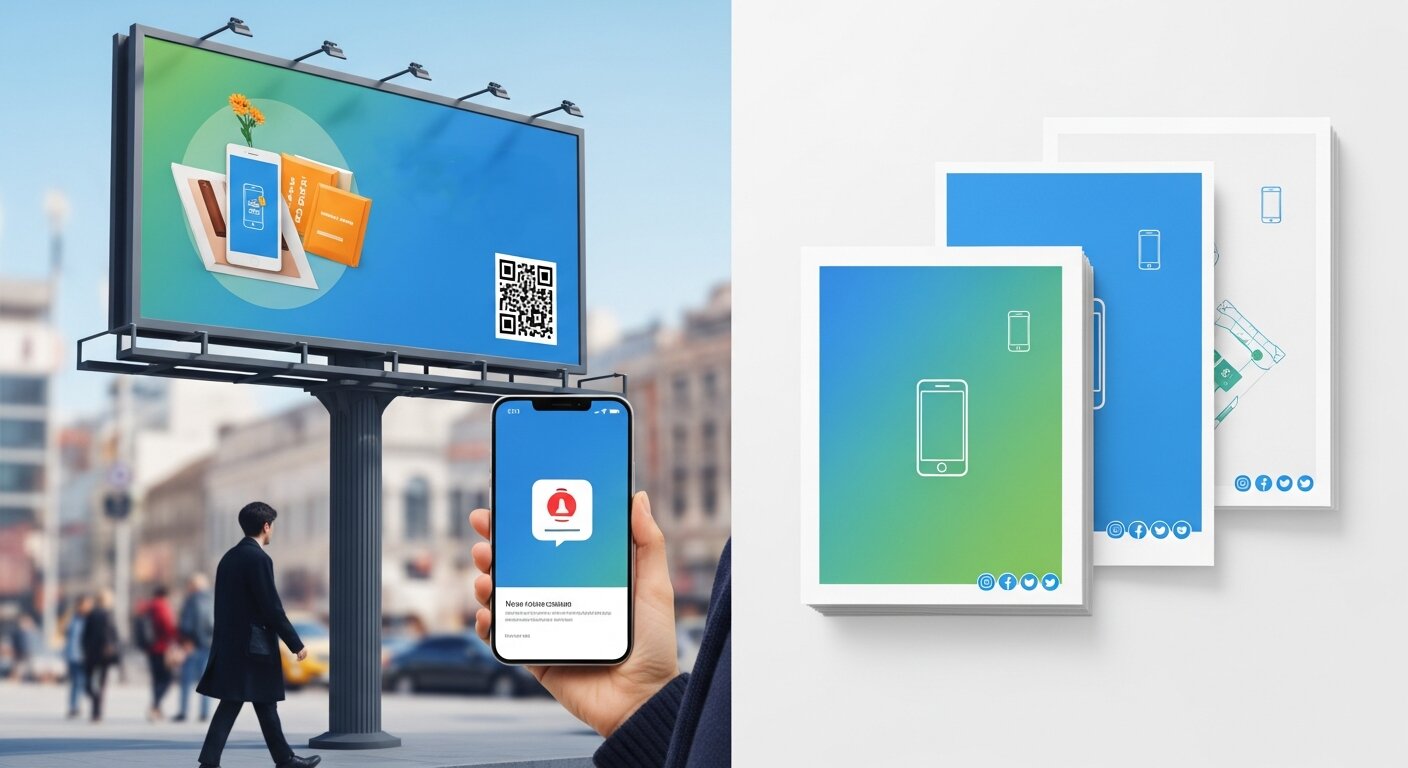
Digital Displays in Retail Spaces
Have you noticed the digital screens at checkout counters or store aisles? These displays, often used for product promotions or seasonal sales, grab attention and guide customer decisions right at the point of sale.
Best Practices:
- Tailor content based on location or customer demographics in a particular region.
- Feature compelling visuals and concise messaging to keep shoppers engaged.
- Pair displays with promotions. For instance, show a discount code that customers can redeem online.
QR Codes
Though QR codes aren’t new, their revival during the pandemic has given them fresh relevance. QR codes placed on flyers, menus, or business cards lead potential customers to landing pages, videos, or special offers when scanned.
How to Use QR Codes Effectively:
- Add them to your physical marketing materials, like posters or event invitations.
- Offer an incentive, such as a free guide or discount, to encourage users to scan.
- Use dynamic QR codes so you can update content as needed, keeping campaigns fresh.
Interactive Installations
Brands can engage their audiences with interactive digital installations at events, trade shows, or high-traffic spots like malls. Augmented reality (AR) booths or multimedia walls stimulate curiosity and entice passersby to interact with your brand.
Example:
A sneaker brand could set up a digital display where users customize sneakers with a swipe of the screen, then receive a QR code to view and order their masterpiece online.
Digital Kiosks
Self-standing kiosks with touchscreen interfaces are perfect for delivering information, promoting products, or gathering leads. They’re often used in hotel lobbies, shopping malls, or exhibitions.
Benefits of Kiosks:
- They provide interactive experiences that encourage longer engagement.
- With integrated reward features, like exclusive discount codes for interacting, they can help collect valuable customer data.
NFC Technology
Near Field Communication (NFC) allows smartphones to interact with nearby “smart” objects like tags, posters, or kiosks. Tapping their phone against an NFC-enabled poster might direct a customer to a video, an exclusive online store offer, or app download.
How to Use NFC:
- Embed NFC in product packaging to tell a compelling “behind-the-scenes” story of the product.
- Offer in-store shoppers discounts or premium content when they engage with NFC-enabled displays.
Digital OOH Advertising
Out-of-home (OOH) advertising is evolving. Traditional billboards and posters are being swapped for digital versions that use LED displays to showcase dynamic images, videos, and animations.
Advantages of Digital OOH:
- Content can be updated in real-time, making it ideal for time-bound promotions.
- It can include elements like motion and visuals, making it more eye-catching than static ads.
- Brands can use geotargeting to tailor content for specific cities or neighborhoods.
Gamification
Mixing entertainment with marketing? Yes, please! Using gamified experiences in offline environments attracts audiences and makes brand interactions far more engaging.
Offline gamification, like AR scavenger hunts or event activations, adds entertainment while boosting engagement. Learn more about augmented reality in marketing for interactive campaign ideas.
Examples of Offline Gamification:
- Set up a digital game activation at events where participants earn prizes or exclusive discounts.
- Create AR scavenger hunts where customers solve clues to “unlock” discounts or freebies.
Event Marketing with Digital Integration
Digital elements can be seamlessly incorporated into physical events to amplify their impact. Imagine hosting a product launch event and using augmented reality or holographic presentations to showcase features.
Maximizing Success:
- Use apps for event guests to check-in, access agendas, or vote during Q&A sessions.
- Employ digital photo booths that output branded images attendees can share (boosting your reach!).
Personalized Augmented Reality Experiences
Augmented reality (AR) has truly transformed offline digital marketing by merging interactivity with personalization. Unlike static displays or traditional signage, AR allows customers to engage with products in a highly immersive and tailored way. For example, furniture brands often provide AR apps or in-store AR mirrors that let consumers visualize how a sofa, table, or decor item would look in their own home. Similarly, beauty brands use AR technology to enable customers to try on makeup virtually, testing shades and styles in real time without ever touching a product.
These experiences not only make the shopping process more engaging but also reduce purchase hesitation, as customers can make more informed decisions based on their own visualizations. By combining personalization with interactive technology, AR creates memorable experiences that strengthen brand loyalty and encourage social sharing, extending the campaign’s reach beyond the physical location.
Metrics to Track Success
To ensure offline digital marketing campaigns are effective, it’s essential to monitor and measure key performance indicators. For offline campaigns, metrics may include the number of QR code scans, interactions with digital kiosks, NFC tag engagements, store visits, app downloads, or participation in gamified experiences and events. Additionally, customer feedback collected through surveys, testimonials, or event follow-ups provides qualitative insights into how the campaign was received.
When these offline metrics are paired with online analytics—such as website traffic, social media engagement, or email sign-ups—marketers gain a holistic understanding of campaign performance. This combination of offline and online data enables businesses to identify which touchpoints are most effective, optimize content and experiences, and ultimately make data-driven decisions that improve ROI and customer engagement over time.
Bridging Offline and Online Attribution
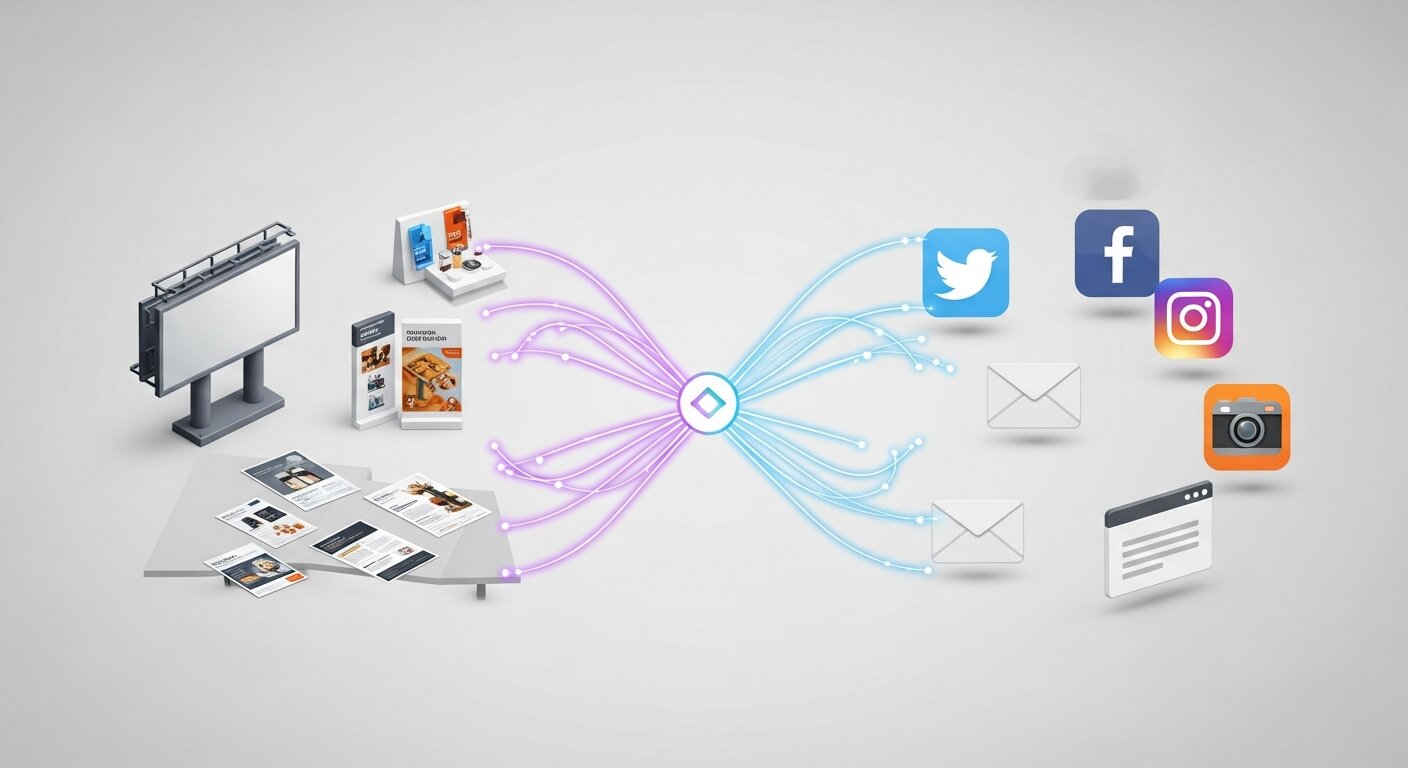
One of the biggest challenges in offline marketing has always been measuring ROI accurately. However, digital marketing thrives offline by enabling marketers to track customer journeys across multiple touchpoints in physical environments.
With tools like QR codes, NFC-enabled displays, app integrations, and interactive digital kiosks, businesses can see how offline interactions influence online behavior and drive sales. By analyzing these connections, marketers gain a clear understanding of which offline campaigns generate engagement, which touchpoints lead to conversions, and where improvements are needed.
This unified view allows businesses to optimize budgets, improve campaign performance, and ensure that offline efforts are as measurable and impactful as online ones. By recognizing the surprising ways digital marketing thrives offline, brands can fully integrate offline experiences into their overall marketing strategy, creating a seamless and effective customer journey.
Privacy, Transparency, and Customer Trust
As offline digital marketing becomes more data-driven, maintaining transparency and respecting user privacy is essential. Customers are more willing to engage with physical digital touchpoints—like QR codes, interactive kiosks, or NFC-enabled displays—when they understand how their data will be used and feel their information is secure.
Businesses should clearly communicate data usage policies, obtain consent when necessary, and ensure secure integration between offline and online systems. By implementing the surprising ways digital marketing thrives offline responsibly, brands can collect valuable insights without compromising trust or privacy.
Trust remains a key factor in long-term brand loyalty, and using offline digital strategies thoughtfully helps businesses build strong, lasting relationships with their customers while delivering meaningful, interactive experiences.
The Future of Offline Digital Marketing
Offline digital marketing is set to evolve rapidly as emerging technologies such as artificial intelligence, smart sensors, augmented reality, and the Internet of Things become more accessible and integrated into everyday experiences. Physical spaces—from retail stores and events to public areas—will become increasingly intelligent, capable of responding to customer presence, preferences, and behavior in real time.
The key to staying ahead will be embracing the surprising ways digital marketing thrives offline, leveraging these technologies to create interactive, personalized, and immersive experiences. Imagine retail displays that adapt instantly to customer preferences, AR installations that let visitors explore products in unique ways, or smart kiosks that deliver tailored offers based on live engagement. By integrating these innovations into offline campaigns, businesses can merge the digital and physical worlds seamlessly, capturing attention, driving engagement, and building stronger brand loyalty.
The future belongs to brands that understand how to make offline interactions as measurable, impactful, and engaging as online campaigns. Those who harness the full potential of digital marketing thriving offline will not only delight customers in the moment but also create lasting impressions that drive long-term growth.
Building Connections Beyond the Screen
While the internet remains at the heart of digital transformation, the true power of marketing often extends beyond screens and devices. By exploring the surprising ways digital marketing thrives offline, businesses can create memorable, tactile experiences that leave a lasting impression on their audiences. From interactive kiosks and AR installations to QR-enabled promotions and digital displays in physical spaces, these strategies bridge the gap between online engagement and real-world interaction.
Integrating offline digital marketing into your campaigns allows brands to engage customers on multiple levels—emotionally, visually, and experientially—while reinforcing online messaging. The result is a more cohesive, immersive brand presence that encourages deeper connections, drives loyalty, and boosts conversions.
If you want to stay ahead of the curve and discover innovative ways to make your offline marketing efforts more impactful, subscribe to our newsletter for expert tips, insights, and practical examples of surprising ways digital marketing thrives offline.
Offline strategies allow brands to create memorable, tactile experiences while reinforcing online messaging. To explore more creative approaches, visit digital marketing ideas that actually work.
Frequently Asked Questions (FAQ)
What are Surprising Ways Digital Marketing Thrives Offline?
Surprising Ways Digital Marketing Thrives Offline include strategies that combine digital technology with physical interactions. Examples include QR codes on packaging, interactive kiosks, NFC-enabled displays, and AR installations at events. These offline touchpoints create memorable experiences while still leveraging digital tools to track engagement and conversions.
Why is it important to explore Surprising Ways Digital Marketing Thrives Offline?
Exploring these strategies helps businesses stand out in a world overloaded with online content. Offline digital marketing engages customers in physical spaces, strengthens human connections, and enhances brand recall, all while complementing your online efforts.
Can offline campaigns be personalized in Surprising Ways Digital Marketing Thrives Offline?
Absolutely. Offline digital campaigns can be personalized using location-based content, interactive displays, and behavior-triggered experiences. By integrating offline data with digital platforms, businesses can tailor offers, messages, and experiences that feel unique and timely to each customer.
How do Surprising Ways Digital Marketing Thrives Offline improve marketing ROI?
Offline digital strategies provide measurable touchpoints, such as QR scans, kiosk interactions, and event participation. Tracking these interactions alongside online conversions gives a complete picture of campaign effectiveness, helping marketers optimize budgets and strategies for higher ROI.
Are Surprising Ways Digital Marketing Thrives Offline suitable for small businesses?
Yes! Even small businesses can implement surprising offline digital strategies. From local event activations to interactive in-store displays, these methods create engagement without requiring a massive digital infrastructure, proving that offline marketing can be effective for businesses of any size.
How can Surprising Ways Digital Marketing Thrives Offline enhance customer engagement?
By combining physical and digital experiences, these strategies create interactive and memorable moments. Customers are more likely to engage, share experiences, and develop loyalty when digital marketing moves beyond screens and into tangible, real-world environments.
Can offline campaigns integrate with online marketing strategies in Surprising Ways Digital Marketing Thrives Offline?
Definitely. Offline campaigns, when designed strategically, complement online efforts. Using QR codes, NFC, or interactive installations, marketers can link physical interactions to online platforms, creating a seamless, omni-channel customer journey.



Leave a Reply