

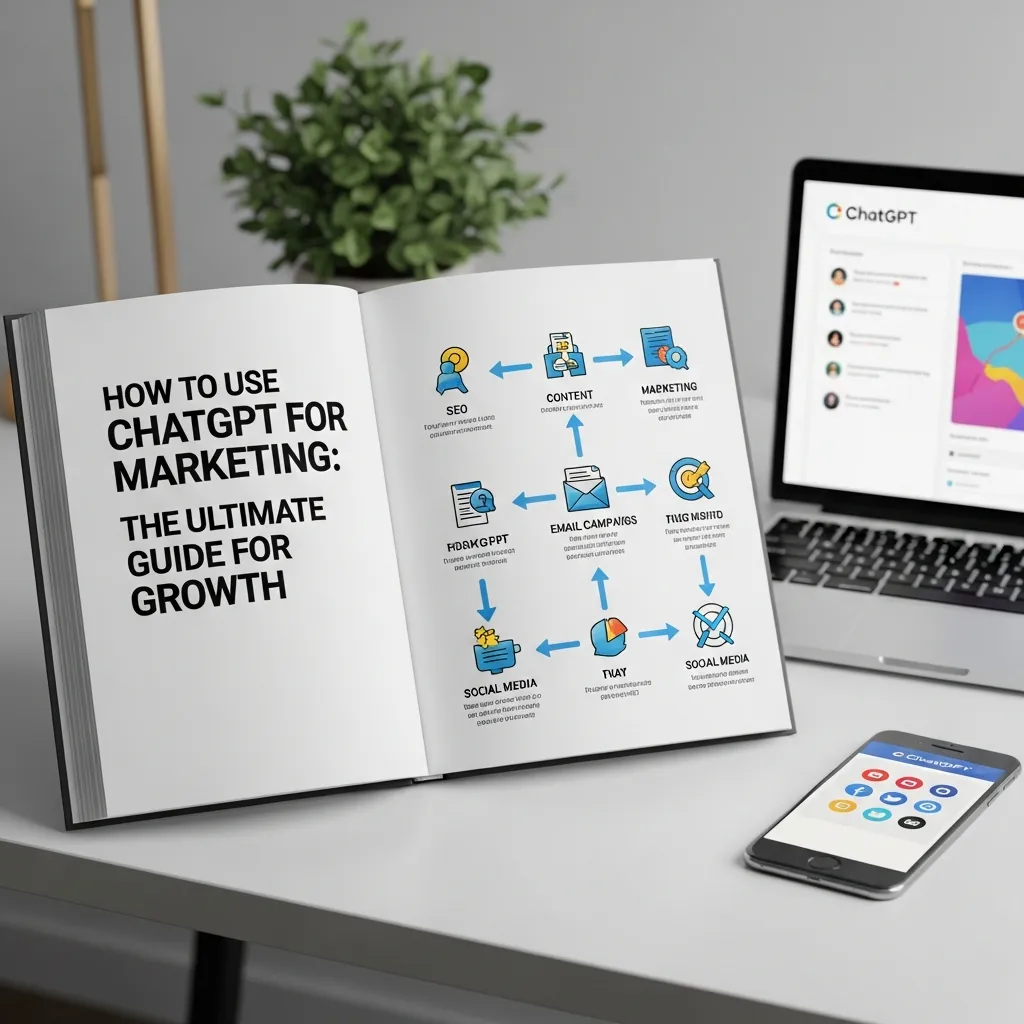
The marketing landscape shifts rapidly, and artificial intelligence is driving the latest major transformation. Professionals across industries are looking for new ways to scale their efforts, reduce manual tasks, and generate creative ideas on demand. Enter ChatGPT, an advanced language model that acts as a virtual assistant, brainstorming partner, and copywriter all rolled into one.
Understanding how to use ChatGPT for marketing is no longer just a fun experiment. It is a necessary skill for teams that want to stay competitive. This tool can drastically improve your workflow, from writing email sequences to developing comprehensive market research strategies.
This guide will explore comprehensive strategies for leveraging ChatGPT to revolutionize your marketing efforts. We will cover core applications, advanced strategies, and the best practices you need to know. By the time you finish reading, you will know exactly how to use ChatGPT for marketing to drive better results for your business.
Understanding ChatGPT: A Marketer’s New Assistant

If you want to know how to use ChatGPT for marketing, you first need to understand what it actually is. ChatGPT is an advanced artificial intelligence model developed by OpenAI. It is designed to understand and generate human-like text based on the prompts it receives.
The model works by analyzing massive amounts of data and predicting the most logical next word in a sequence. You can type a question or a command into the chat interface, and the AI will respond in seconds with highly contextual, relevant information. Its conversational abilities mean you can ask follow-up questions, refine your prompts, and guide the AI to produce exactly what you need.
Why is this a game-changer for marketing? First, it offers incredible efficiency. Tasks that used to take hours, like outlining a month of blog content, now take minutes. Second, it provides scalability. Small teams can produce a high volume of content without sacrificing quality. Finally, it acts as a catalyst for creativity. When you hit a wall, ChatGPT can provide fresh angles and unique concepts to get your ideas flowing again.
Core Applications: How to Use ChatGPT for Marketing Content Creation
One of the most popular ways to learn how to use ChatGPT for marketing is by generating content. The AI excels at drafting, brainstorming, and editing text for various channels.
Generating Blog Post Ideas and Outlines
Content marketing requires a steady stream of fresh ideas. ChatGPT can help you maintain a packed editorial calendar.
Brainstorming Niche Topics
Instead of staring at a blank screen, ask ChatGPT to generate a list of topics relevant to your specific audience. You can provide your target keywords and ask the AI to suggest ten unique blog post titles. This instantly gives you a variety of angles to explore, ensuring you cover topics your audience actually cares about.
Structuring Engaging Blog Posts
Once you have a topic, you need a logical structure. You can ask the AI to create a comprehensive outline featuring an introduction, main body headings, and a conclusion. This gives you a clear roadmap to follow when you start writing the actual content.
Drafting Compelling Ad Copy
Digital advertising moves quickly. You need multiple variations of copy to test what resonates best with your audience.
Crafting Headlines that Convert
Your headline is the most critical part of your ad. Ask ChatGPT to write twenty different headlines for a specific product. You can instruct the AI to use different tones, such as urgent, humorous, or question-based, to see which approach yields the best options.
Writing Persuasive Body Copy
After you select a headline, you need body copy that drives action. You can provide the AI with your product’s key features and benefits, and ask it to write short, persuasive paragraphs designed for platforms like Facebook or Google Ads.
A/B Testing with AI-generated Variants
Testing is a fundamental part of marketing. You can use ChatGPT to generate three distinct versions of the same ad. Run these variants against each other in your campaigns to gather data on what drives the highest click-through and conversion rates.
Creating Social Media Content
Maintaining an active presence across multiple social media platforms can drain your team’s energy. Knowing how to use ChatGPT for marketing on social media will save you hours every week.
Crafting Engaging Captions
Provide the AI with a brief description of the image or video you are posting. Ask it to write a catchy caption that encourages comments and shares. You can specify the tone you want, ensuring the caption aligns with your brand voice.
Developing Hashtag Strategies
Finding the right hashtags can increase your reach. ChatGPT can generate a mix of trending, broad, and niche hashtags relevant to your specific post or industry.
Generating Post Ideas for Various Platforms
Different platforms require different content styles. You can ask the AI to adapt a single core idea into a short tweet, a professional LinkedIn post, and a visually descriptive Instagram caption.
Email Marketing Automation
Email remains one of the highest-converting marketing channels. ChatGPT can help you optimize every aspect of your campaigns.
Writing Subject Lines that Open
If your email does not get opened, the content inside does not matter. Ask the AI to write ten punchy subject lines that create curiosity or urgency without sounding like spam.
Composing Personalized Email Sequences
Nurturing leads requires a strategic sequence of emails. You can prompt ChatGPT to draft a five-part welcome series for new subscribers, detailing what each email should cover to build trust and drive sales.
Crafting Call-to-Actions (CTAs)
A weak CTA will ruin a great email. Ask the tool to generate clear, compelling call-to-actions that tell the reader exactly what to do next.
Advanced Strategies: How to Use ChatGPT for Marketing Research & Strategy

Content creation is just the beginning. The real power comes when you discover how to use ChatGPT for marketing strategy and deep research.
Market Research and Trend Analysis
Understanding your market is essential for growth. ChatGPT can quickly summarize industry data and trends.
Identifying Emerging Trends
Ask the AI to list the current trends in your specific industry. While you should verify the information, this provides an excellent starting point for understanding where consumer interests are heading.
Analyzing Competitor Strategies
Provide the AI with public information about your top competitors. You can ask it to identify potential gaps in their messaging or areas where your brand can differentiate itself.
Gathering Customer Insights
Feed customer reviews or survey responses into ChatGPT (ensuring you remove personally identifiable information). Ask the AI to identify the most common complaints, praises, and recurring themes.
Developing Buyer Personas
You cannot market effectively if you do not know who you are talking to.
Creating Detailed Customer Profiles
Ask ChatGPT to build a comprehensive buyer persona for your product. It can suggest demographics, job titles, daily challenges, and preferred communication channels.
Understanding Customer Pain Points
Once you have a persona, ask the AI to list the top five pain points this person experiences related to your industry. This will guide your messaging and product development.
SEO Optimization with ChatGPT
Search engine optimization is critical for inbound traffic. Learning how to use ChatGPT for marketing SEO will give you a massive advantage.
Keyword Research and Integration
While it does not replace dedicated SEO tools, ChatGPT can brainstorm initial seed keywords and semantic variations to include in your content.
Optimizing Meta Descriptions and Titles
Paste your blog post text into the chat and ask the AI to write an SEO-friendly meta title and a compelling meta description that includes your target keywords.
Generating SEO-friendly Content Ideas
Ask the AI for a list of common questions your target audience searches for on Google. You can then turn these questions into dedicated blog posts or FAQ sections.
Personalization at Scale
Modern consumers expect personalized experiences.
Tailoring Content to Individual Preferences
You can use ChatGPT to rewrite a generic email template to appeal to different segments of your audience, such as tailoring one version for CEOs and another for marketing managers.
Crafting Personalized Customer Journeys
Ask the AI to map out a customer journey based on different entry points, ensuring your messaging remains relevant at every stage of the funnel.
Best Practices for Maximizing ChatGPT in Marketing
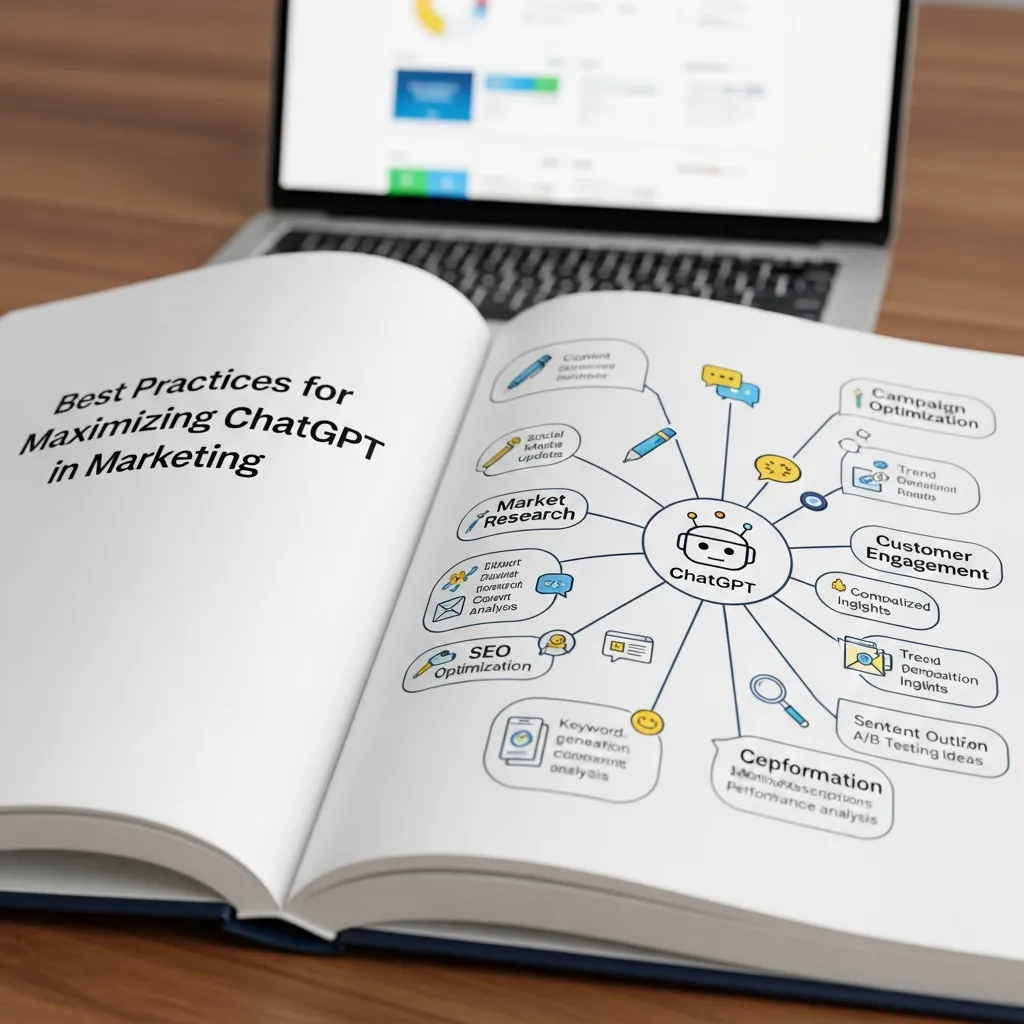
Knowing how to use ChatGPT for marketing effectively requires discipline. You cannot just copy and paste the first output you receive.
Crafting Effective Prompts
The quality of your output depends entirely on the quality of your input.
Specificity and Context
Always provide background information. Tell the AI who your target audience is, what your product does, and what the goal of the content is. The more context you provide, the better the result.
Iterative Prompting
Do not settle for the first draft. If the tone is off, tell the AI to rewrite it to be more professional or more casual. Refining your prompts is a critical part of the process.
Human Oversight and Editing
AI is a tool, not an employee. It requires human supervision.
Ensuring Brand Voice Consistency
ChatGPT might write something grammatically correct, but it might not sound like your brand. Always review and edit the text to inject your unique company voice.
Fact-Checking and Accuracy
AI can confidently present incorrect information (known as hallucinations). Always verify statistics, dates, and factual claims before publishing.
Ethical Considerations
Using AI comes with responsibilities.
Bias Awareness
Language models learn from the internet, which means they can inadvertently reproduce human biases. Review content to ensure it is inclusive and appropriate.
Data Privacy
Never input sensitive customer data, trade secrets, or confidential business information into a public AI tool.
Integrating with Existing Marketing Tools
To get the most out of your workflow, look for ways to integrate AI with the tools you already use, such as connecting it to your CRM or content management system via APIs.
Case Studies: Real-World Applications

Many companies have already figured out how to use ChatGPT for marketing successfully. For example, a mid-sized e-commerce brand used ChatGPT to rewrite hundreds of boring product descriptions in a single week, resulting in a noticeable bump in organic search traffic.
Another example involves a B2B software company that used ChatGPT to brainstorm and structure a massive industry report. The AI helped them outline the chapters and generate survey questions, cutting their research time in half and allowing them to launch the campaign a month ahead of schedule.
Ready to Transform Your Marketing Strategy?
Mastering how to use ChatGPT for marketing is a continuous journey. As the technology evolves, so will the strategies and applications available to you. By integrating this AI into your daily workflow—whether for content creation, deep market research, or SEO optimization—you will free up your time to focus on high-level strategy and relationship building.
Start small. Pick one task, like drafting social media captions or outlining a blog post, and practice your prompting skills. With consistent use, human oversight, and a strategic approach, AI will become the most valuable tool in your marketing arsenal.
FAQs: How to Use ChatGPT for Marketing
1. Is ChatGPT free to use for marketing?
Yes, there is a free version available, though OpenAI also offers a paid Plus subscription that provides faster response times and access to more advanced models.
2. Can ChatGPT replace my marketing team?
No. ChatGPT is an assistant that enhances human creativity and efficiency. It still requires strategy, editing, and oversight from skilled marketers.
3. Will Google penalize content written by ChatGPT?
Google prioritizes high-quality, helpful content regardless of how it is produced. However, if you publish low-quality, unedited AI content, it may perform poorly.
4. How to use ChatGPT for marketing on social media?
You can use it to brainstorm campaign ideas, write captions, generate hashtag lists, and adapt long-form content into bite-sized social posts.
5. Does ChatGPT know my brand voice automatically?
No. You must prompt it with specific guidelines, tone descriptors, and examples of your past content so it can mimic your brand voice.
6. Can I use ChatGPT for SEO?
Yes, it can help brainstorm keywords, write meta descriptions, generate FAQ sections, and create content outlines structured for search intent.
7. How do I stop ChatGPT from sounding like a robot?
Give it highly specific prompts. Ask it to use a conversational tone, vary sentence lengths, and avoid overused AI buzzwords. Always edit the final output.
8. Can ChatGPT write sales emails?
Absolutely. You can provide your product’s value proposition and ask it to write cold outreach emails, follow-ups, and newsletter blasts.
9. How to use ChatGPT for marketing research?
You can ask it to summarize industry trends, analyze competitor positioning, and generate detailed buyer personas based on demographic data.
10. Is it safe to put customer data into ChatGPT?
No. You should never input personally identifiable information (PII) or confidential business data into public AI models to protect privacy.
11. Can ChatGPT help with video marketing?
Yes. It can brainstorm video concepts, write YouTube scripts, create storyboards, and write optimized video descriptions.
12. What is the best way to learn how to use ChatGPT for marketing?
The best way is to start experimenting. Practice writing detailed prompts, testing different use cases, and refining the outputs to fit your specific workflow.



Leave a Reply