


Digital marketing experts combine creativity, technical skills, and strategic thinking to drive impactful campaigns across multiple channels. Mastery of tools, analytics, SEO, automation, and emerging technologies is key to staying ahead in this rapidly evolving field. Continuous learning, practical experience, and professional networking are essential for building a successful digital marketing career.
Essential Skills Every Digital Marketing Expert Needs

Technical Proficiency
Modern digital marketing requires a solid foundation in technical skills. A digital marketing expert must understand how websites function, including basic HTML, CSS, and content management systems. Search engine optimization (SEO) knowledge is crucial, encompassing keyword research, on-page optimization, and link building strategies. For a deeper dive into SEO techniques, you can check out our SEO guide for digital marketing.
Analytics expertise separates good marketers from great ones. Understanding Google Analytics, Google Tag Manager, and other tracking platforms enables data-driven decision making. The ability to set up conversion tracking, create custom segments, and interpret complex reports directly impacts campaign performance.
Creative and Strategic Thinking
Data alone doesn’t create compelling campaigns. Digital marketing experts blend analytical insights with creative vision to develop messaging that connects with audiences emotionally. This involves understanding brand positioning, crafting compelling narratives, and adapting content for different platforms and audiences.
Strategic planning skills enable experts to align marketing activities with broader business objectives. This includes developing comprehensive marketing strategies, setting realistic goals, and creating detailed implementation timelines.
Communication and Collaboration
Digital marketing rarely happens in isolation. Experts regularly collaborate with designers, developers, content creators, and executive teams. Strong communication skills help translate complex marketing concepts into actionable insights that stakeholders can understand and support.
Project management abilities become increasingly important as campaigns grow in complexity. Managing multiple initiatives simultaneously while maintaining quality standards requires excellent organizational skills and attention to detail.
Core Responsibilities of a Digital Marketing Expert

Campaign Development and Execution
Digital marketing experts design and implement comprehensive marketing campaigns across multiple channels. This involves conducting market research, identifying target audiences, and selecting appropriate platforms based on campaign objectives and budget constraints. You can explore how to create a digital marketing campaign for financial services for an example of strategic campaign planning.
Campaign execution requires meticulous planning and coordination. Experts create detailed project timelines, coordinate with creative teams, and ensure all campaign elements align with brand guidelines and messaging strategies.
Performance Analysis and Optimization
Continuous monitoring and optimization distinguish expert-level practitioners from beginners. Digital marketing experts establish key performance indicators (KPIs) for each campaign and regularly analyze performance data to identify improvement opportunities.
This analysis goes beyond surface-level metrics. Experts examine user behavior patterns, conversion paths, and attribution models to understand which marketing activities drive the most valuable outcomes.
Strategic Planning and Forecasting
Long-term success requires strategic thinking beyond individual campaigns. Digital marketing experts develop comprehensive marketing strategies that align with business objectives and market conditions. This includes competitive analysis, market trend identification, and resource allocation planning. For broader strategies, see digital marketing strategies that drive results.
This includes competitive analysis, market trend identification, and resource allocation planning. Experts also create forecasting models to predict campaign performance and budget requirements.
Team Leadership and Development
Senior digital marketing experts often lead teams of specialists, including content creators, social media managers, and paid advertising specialists. This responsibility includes hiring talented team members, providing ongoing training, and creating systems that enable efficient collaboration.
Mentoring junior team members and staying current with industry developments ensures the entire team maintains cutting-edge expertise.
Essential Tools for Digital Marketing Excellence

Analytics and Tracking Platforms
Google Analytics remains the cornerstone of digital marketing measurement, providing detailed insights into website traffic, user behavior, and conversion performance. Experts go beyond basic reports, using features like custom segments, goal tracking, and event tracking to understand how specific actions—such as video views, downloads, or form submissions—impact overall business objectives.
Google Tag Manager simplifies the process of implementing tracking codes across multiple platforms without requiring constant developer involvement. This flexibility allows marketers to quickly launch new tracking events, A/B tests, and custom conversions while maintaining accuracy in data collection.
Platforms like Hotjar and Crazy Egg complement traditional analytics by providing qualitative insights through heatmaps, session recordings, and conversion funnels. These tools allow marketers to observe how users navigate websites, where they hesitate, and which elements drive engagement or abandonment.
Advanced practitioners often rely on enterprise analytics platforms like Adobe Analytics, which offer deeper customization, multi-channel tracking, and predictive insights that are invaluable for large-scale marketing operations. Specialized tools such as Facebook Analytics or TikTok Analytics allow experts to measure social media performance, identify top-performing content, and optimize campaigns based on platform-specific user behaviors.
Content Management and Creation
Content creation is a core responsibility for digital marketing experts, and the right tools can dramatically improve efficiency and quality. Platforms like Canva allow marketers to design professional-looking graphics quickly, even without advanced design skills, while Adobe Creative Suite provides industry-standard software for high-level design, video editing, and creative projects.
Video content is increasingly critical in modern marketing. Tools like Loom and Wistia help create and edit professional videos for tutorials, product demos, webinars, and promotional campaigns. These tools also offer features like viewer analytics, interactive video elements, and integration with email and social media platforms to enhance engagement.
Content management systems (CMS) such as WordPress, HubSpot, and Concertful allow marketing teams to publish, organize, and optimize content efficiently. Beyond simple posting, these platforms often include SEO optimization tools, A/B testing options, and workflow management to ensure content is consistent, on-brand, and aligned with campaign objectives.
Automation and Email Marketing
Marketing automation has transformed how experts engage with audiences, enabling personalized communication at scale. Platforms like Mailchimp, Constant Contact, and Pardot allow marketers to create sophisticated email campaigns and nurture sequences based on user behavior, interests, and lifecycle stage. For example, automated workflows can send follow-up emails after a purchase, re-engage inactive subscribers, or deliver personalized content based on past interactions.
Social media management tools like Hootsuite, Buffer, and Sprout Social provide centralized dashboards to schedule posts, monitor engagement, and analyze performance across multiple platforms. These tools not only save time but also help maintain a consistent brand presence and quickly respond to trends or customer interactions, ensuring that social media campaigns remain effective and timely.
Search Engine Optimization
SEO remains a cornerstone of organic growth for any digital marketing strategy. Tools like SEMrush, Ahrefs, and Moz provide comprehensive keyword research, competitor analysis, backlink monitoring, and content gap identification. By leveraging these tools, experts can uncover high-potential keywords, evaluate competitors’ strategies, and optimize content to rank higher in search results.
Technical SEO is equally important to ensure search engines can properly crawl and index websites. Tools such as Screaming Frog and Google Search Console identify site errors, broken links, slow-loading pages, and other issues that may hinder visibility. By systematically resolving these technical challenges, experts ensure that websites not only attract traffic but also deliver a smooth and optimized user experience that supports conversions.
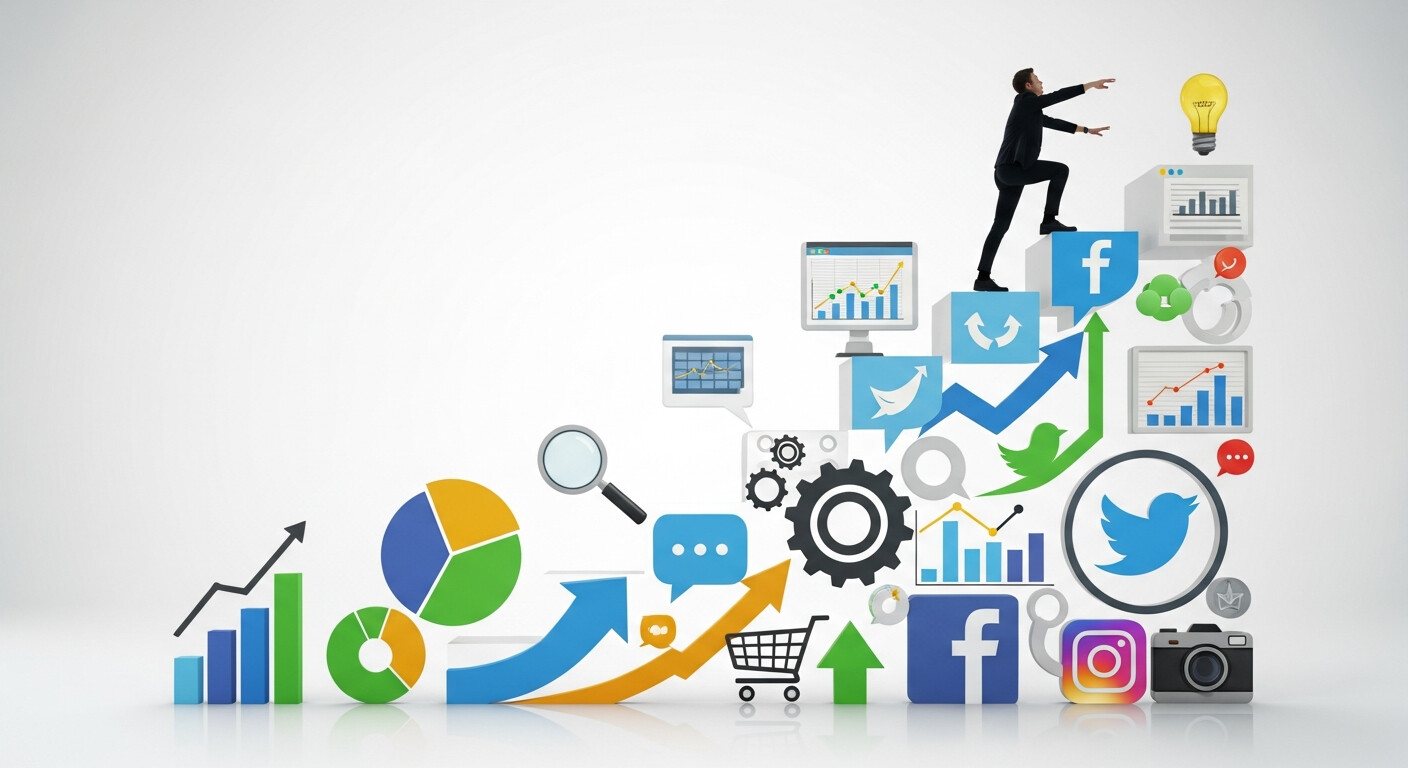
Your Path to Digital Marketing Expertise
Educational Foundation
While formal education isn’t always required, many successful digital marketing experts hold degrees in marketing, communications, or related fields. However, the rapid pace of digital marketing evolution means continuous learning matters more than initial credentials.
Industry certifications provide structured learning paths and credible skill validation. Google Ads, Google Analytics, Facebook Blueprint, and HubSpot certifications are widely recognized and often required by employers.
Practical Experience Development
Hands-on experience accelerates learning more than theoretical knowledge alone. Start by creating personal projects or volunteering to manage marketing for local businesses or nonprofit organizations.
Internships and entry-level positions provide structured learning environments with mentorship opportunities. Many successful experts begin in specialized roles like social media coordination or content creation before expanding their skill sets.
Continuous Learning and Adaptation
The digital marketing landscape changes constantly. Successful experts dedicate time to staying current with platform updates, algorithm changes, and emerging trends.
Industry blogs, podcasts, and webinars provide ongoing education opportunities. Following thought leaders on social media and participating in marketing communities helps maintain awareness of developing trends and best practices.
Building a Professional Network
Networking accelerates career development and provides access to new opportunities. Attend industry conferences, join professional associations, and participate in online communities where digital marketers share insights and experiences.
Building relationships with other marketing professionals, potential mentors, and industry vendors creates a support system that enhances both learning and career advancement opportunities.
The Future of Digital Marketing Expertise
Emerging Technologies and Trends
Artificial intelligence (AI) and machine learning (ML) are transforming digital marketing by enabling smarter, more personalized campaigns. These technologies analyze customer behavior, predict preferences, and optimize ad targeting in real time, improving both efficiency and ROI.
Voice search optimization is growing in importance as smart devices and virtual assistants become common, requiring marketers to adapt SEO strategies for conversational queries. Augmented reality (AR) marketing offers immersive experiences like virtual try-ons or interactive product demos, boosting engagement and conversions.
Blockchain-based advertising adds transparency and security, helping prevent ad fraud and ensuring accurate campaign reporting. Experts who embrace these emerging technologies gain a competitive edge and stay ahead in an ever-evolving digital landscape.
Privacy and Data Regulations
Evolving privacy regulations like GDPR and CCPA require digital marketing experts to understand compliance requirements and develop strategies that respect user privacy while maintaining marketing effectiveness.
First-party data collection and management become increasingly important as third-party cookies phase out. Experts must develop new approaches to audience targeting and campaign measurement.
Integration and Omnichannel Strategies
Future digital marketing success requires seamless integration across all customer touchpoints. Experts must understand how digital channels interact with traditional marketing, sales processes, and customer service experiences.
This holistic approach demands broader business knowledge beyond traditional marketing skills, including understanding of customer lifetime value, sales funnel optimization, and customer experience design.
Building Your Digital Marketing Career
The path to becoming a digital marketing expert requires dedication, continuous learning, and practical application of skills across diverse projects and challenges. Success comes from combining technical proficiency with creative thinking and strategic business understanding.
Start by mastering fundamental skills in analytics, content creation, and campaign management. Build practical experience through personal projects, internships, or entry-level positions. Invest in continuous learning through certifications, industry resources, and professional networking.
The demand for skilled digital marketing experts continues growing as businesses recognize the critical importance of effective online presence and customer engagement. Those who commit to developing comprehensive expertise in this field will find abundant opportunities for career growth and professional satisfaction.
Remember that expertise develops over time through consistent practice and learning from both successes and failures. Focus on delivering measurable results for your clients or employers while staying curious about new technologies and strategies that can enhance your effectiveness.
Expanding your blog reach isn’t just about SEO—effective outreach plays a big role too. Learn proven techniques in this guide to growing your blog audience with outbound marketing tactics, from email outreach to social promotion and strategic partnerships.
Frequently Asked Questions (FAQ)
Do I need a formal degree to become a digital marketing expert?
While a degree in marketing, communications, or business can provide a foundation, it is not mandatory. Practical experience, certifications, and a continuous learning mindset are often more valuable in this rapidly evolving field.
Which certifications are most recognized in the industry?
Some widely recognized certifications include Google Ads, Google Analytics, Facebook Blueprint, HubSpot Inbound Marketing, and SEMrush Academy. These certifications validate your expertise and can improve career prospects.
How long does it take to become an expert in digital marketing?
Becoming an expert depends on experience, learning pace, and practical exposure. Typically, 3–5 years of focused work, combined with continuous learning and experimentation, can position someone as an advanced digital marketing professional.
Are technical skills necessary, or can I succeed with creativity alone?
Both creativity and technical proficiency are crucial. Technical skills like SEO, analytics, and marketing automation complement creative strategy, enabling campaigns that are both compelling and data-driven.
How do digital marketing experts stay updated with trends?
Experts regularly follow industry blogs, podcasts, webinars, and social media communities. Networking with peers and participating in conferences or workshops also ensures exposure to the latest tools, strategies, and platform changes.
What are the emerging trends that will shape digital marketing in the next few years?
Key trends include AI-driven marketing, voice search optimization, AR/VR experiences, interactive content, and increased emphasis on first-party data due to privacy regulations. Staying adaptable to these trends is essential for long-term success.



Leave a Reply