

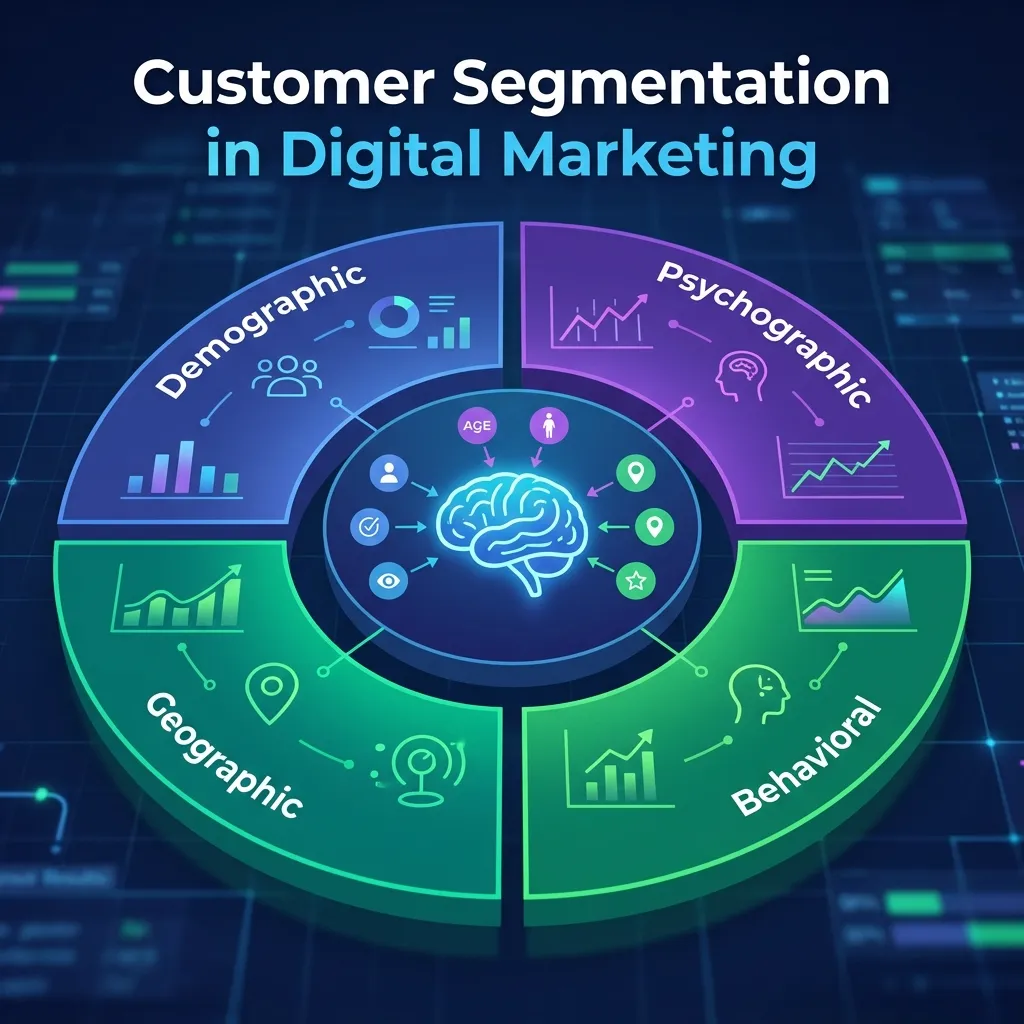
Customer Segmentation in Digital Marketing is the practice of dividing your audience into smaller groups based on shared traits like demographics, behavior, or interests. It helps marketers personalize campaigns, boost ROI, and improve key performance metrics by delivering the right message to the right people at the right time.
Sending the same message to every customer is a fast way to waste your marketing budget. People have different needs, habits, and motivations—and treating them as one giant audience ignores that reality. This is where Customer Segmentation in Digital Marketing comes in.
By grouping your audience into meaningful segments, you can craft campaigns that feel personal and relevant. The payoff is real: better engagement, higher conversion rates, and stronger customer loyalty. Segmentation also sharpens your Digital Marketing Performance Metrics, helping you spend smarter rather than harder.
This guide breaks down everything you need to know about Customer Segmentation in Digital Marketing. You’ll learn what it is, why it matters, the main types of segmentation, and how to put it into action. We’ll also cover the tools, methods, and metrics that make segmentation work—plus the challenges to watch out for and the trends shaping its future.
What is Customer Segmentation in Digital Marketing?
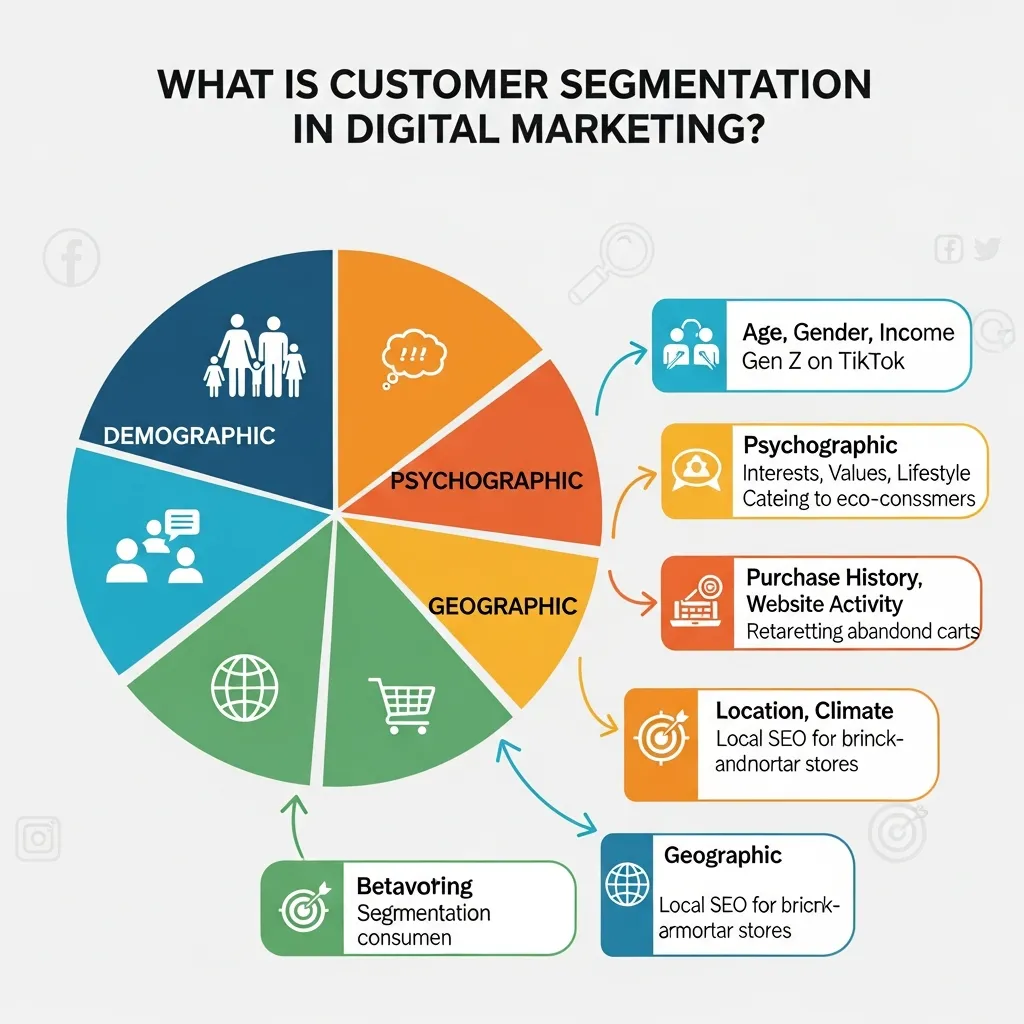
Customer segmentation is the process of dividing your customer base into distinct groups that share similar characteristics. These traits might include age, location, buying habits, or values. Instead of marketing to everyone in the same way, you tailor your approach to each group.
Think of it like a coffee shop. A regular who orders the same latte every morning has different needs than a first-time visitor browsing the menu. Segmentation lets you speak to both in ways that resonate.
Why is Customer Segmentation crucial for digital marketing?
Digital channels generate a flood of data—clicks, views, purchases, and more. Customer Segmentation in Digital Marketing turns that raw data into action. It helps you understand who your customers are and what they actually want.
Without segmentation, campaigns rely on guesswork. With it, you can target precisely, personalize effectively, and measure results clearly. That precision directly improves your Marketing KPIs in Digital Marketing, from open rates to return on ad spend.
How has customer segmentation evolved in the digital age?
Segmentation isn’t new. Marketers have grouped audiences for decades using basic demographics. What’s changed is the depth and speed of the process.
Today, AI and real-time data let marketers segment audiences down to individual behaviors. A customer’s last click can trigger a tailored email within seconds. This shift from broad categories to dynamic, data-driven groups has made segmentation more powerful than ever.
What are the benefits of effective customer segmentation?
Segmentation does more than organize your audience. It transforms how your campaigns perform across the board.
- Improved targeting and personalization: When you know a segment’s needs, you can deliver messages that feel tailor-made. Personalized campaigns consistently outperform generic ones.
- Enhanced customer experience and loyalty: Customers stick with brands that understand them. Relevant offers and content build trust over time.
- Optimized resource allocation and ROI: Segmentation helps you focus spend on the groups most likely to convert. You stop wasting money on audiences that won’t bite.
- Deeper understanding of customer behavior: Building segments forces you to study your audience closely. That insight informs every part of your strategy.
- Stronger Digital Marketing Performance Metrics: From click-through rates to conversions, segmentation lifts the numbers that matter most.
What are the main types of customer segmentation?
There’s no single way to segment an audience. The best approach often combines several methods. Here are the six most common types. learn more details: Competitor Analysis in Digital Marketing
Demographic segmentation
This is the most basic form, grouping customers by traits like age, gender, income, and education. A luxury brand might target high-income earners, while a budget retailer focuses on cost-conscious shoppers.
Geographic segmentation
Location shapes what customers want and need. Geographic segmentation groups people by country, city, region, or even climate. A clothing brand might promote raincoats in wet regions and swimwear in sunny ones.
Psychographic segmentation
This approach digs into lifestyle, values, interests, and personality. It answers the “why” behind buying decisions. A fitness brand might target health-conscious people who value wellness and self-improvement.
Behavioral segmentation
Behavioral segmentation groups customers by their actions—purchase history, website activity, engagement level, and product usage. For example, you might create a segment of loyal repeat buyers and another of cart abandoners.
Technographic segmentation
This newer type groups customers by their technology use, such as devices, apps, or software. A SaaS company might tailor campaigns differently for mobile users versus desktop users.
Value-based segmentation
Here, you group customers by their worth to your business, often using Customer Lifetime Value (CLTV). High-value customers may receive exclusive perks, while you nurture lower-value groups toward bigger purchases.
How do you implement customer segmentation?
Knowing the types is one thing. Putting segmentation into practice takes a clear process. Here’s how to do it.
Collecting and analyzing customer data
Good segmentation starts with good data. Pull from multiple sources to build a complete picture:
- Website analytics: Tools like Google Analytics reveal how visitors behave on your site.
- CRM data: Your customer relationship management system holds purchase history and contact details.
- Social media insights: Platforms offer rich data on audience interests and engagement.
- Surveys and feedback: Asking customers directly fills gaps that data alone can’t.
Choosing segmentation tools and technologies
The right tools make segmentation faster and more accurate. Common options include:
- Marketing automation platforms like HubSpot or Mailchimp, which let you trigger campaigns based on segments.
- CRM systems such as Salesforce, which centralize customer data.
- Data analytics software that uncovers patterns across large datasets.
Developing buyer personas
A buyer persona is a fictional profile that represents a key segment. To build one, research your audience, then create a detailed profile covering goals, pain points, and habits. Give each persona a name and story to make it relatable.
Once built, apply your personas to every campaign. They keep your messaging focused and human.
How is customer segmentation used in practice?
Segmentation shines when you apply it across channels. Here’s how it works in real campaigns.
Email marketing personalization
Segmented email campaigns let you send relevant content to each group. A new subscriber gets a welcome series, while a loyal customer gets early access to sales. This relevance drives higher open and click rates.
Content marketing strategy
Different segments respond to different content. Beginners might want how-to guides, while experts prefer advanced insights. Segmentation helps you create content that matches each group’s level and interest.
Social media marketing
Social platforms let you target ads by demographics, interests, and behaviors. Segmentation ensures your social campaigns reach the people most likely to engage.
Targeted advertising
For PPC and display ads, segmentation sharpens your targeting and lowers wasted spend. You can serve different ad creative to different groups, boosting relevance and results.
Optimizing CPA landing page optimization
Segmentation plays a direct role in CPA Landing Page Optimization. When you match a landing page to a specific segment, conversion rates climb and cost per acquisition drops. A page built for budget shoppers should look and read differently than one aimed at premium buyers. This alignment is the heart of effective CPA Landing Page Optimization.
How do you measure the success of customer segmentation?
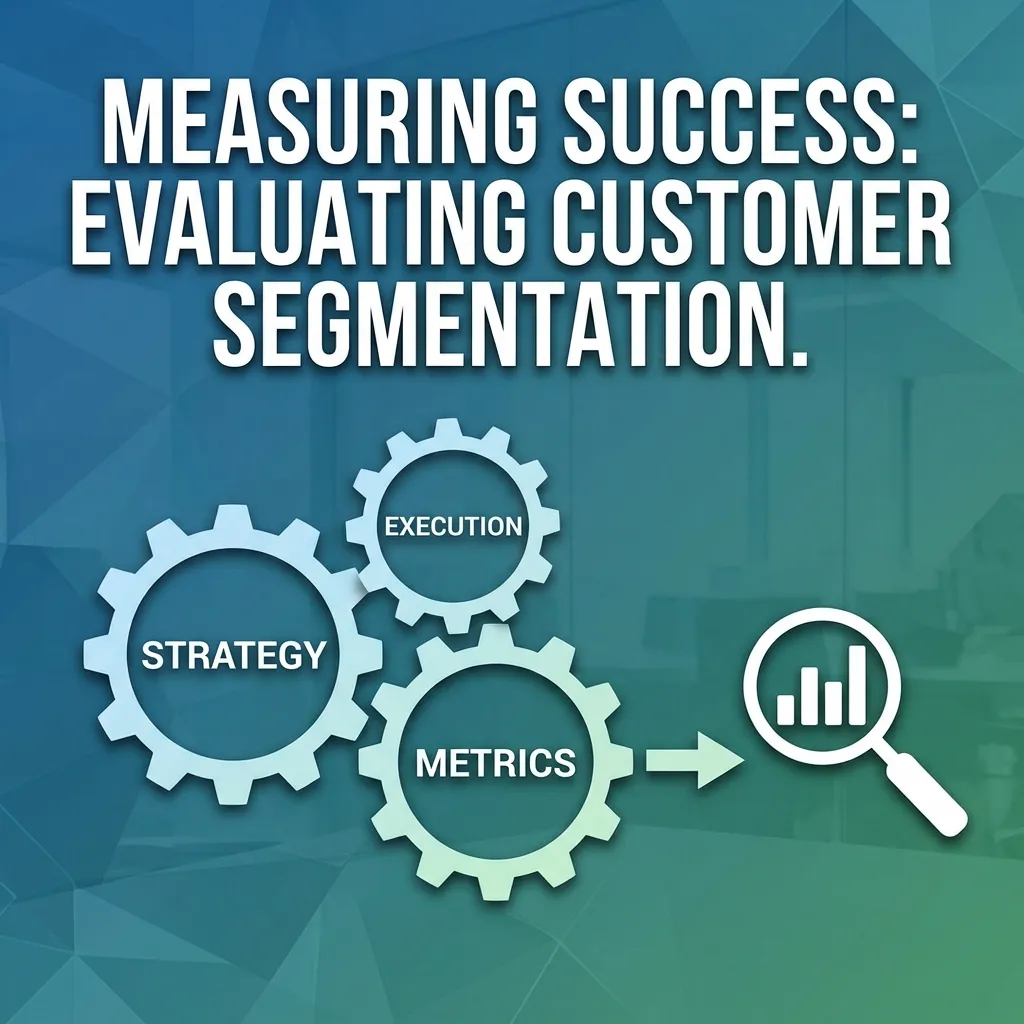
You can’t improve what you don’t measure. Tracking the right metrics shows whether your segments are working.
Key marketing KPIs to track
Focus on the Marketing KPIs in Digital Marketing that reflect segmentation’s impact:
- Conversion rate
- Click-through rate
- Customer acquisition cost
- Return on ad spend
- Email open and engagement rates
A/B testing and experimentation
Test different messages, offers, and designs across segments. A/B testing reveals what resonates with each group, so you can refine your approach with confidence.
Analyzing Customer Lifetime Value
CLTV shows the long-term worth of each segment. Tracking it helps you spot your most valuable customers and invest in keeping them.
Iterating and refining segments
Segments aren’t set in stone. Review them regularly and adjust as customer behavior shifts. Continuous refinement keeps your segmentation accurate and effective.
What are the challenges and best practices in customer segmentation?
Segmentation delivers results, but it isn’t without hurdles. Knowing the pitfalls helps you avoid them.
Common challenges
- Data silos: When customer data lives in separate systems, it’s hard to build a full picture. Integration is key.
- Over-segmentation: Creating too many tiny segments can overwhelm your team and dilute your efforts. Aim for groups large enough to act on.
Best practices for effective segmentation
- Start with clear objectives: Know what you want to achieve before you build segments.
- Keep segments actionable: Each segment should be big enough and distinct enough to target meaningfully.
- Review and update regularly: Customer behavior changes, so your segments should too.
- Integrate across all channels: Use the same segments across email, social, ads, and your website for a consistent experience.
What does the future of customer segmentation look like?
Segmentation keeps evolving, and a few trends are shaping what comes next.
AI and machine learning in segmentation
AI can analyze huge datasets and spot patterns humans would miss. Machine learning creates dynamic segments that update in real time, making targeting sharper and faster.
Hyper-personalization
The future points toward marketing to segments of one. Hyper-personalization tailors every interaction to the individual, using data to predict needs before customers express them.
Ethical considerations and data privacy
As segmentation grows more powerful, privacy matters more than ever. Laws like GDPR require transparency about data use. Brands that respect privacy and use data responsibly will earn lasting trust.
Putting customer segmentation to work

Customer Segmentation in Digital Marketing is no longer optional—it’s the foundation of campaigns that connect and convert. By dividing your audience into meaningful groups, you can personalize your message, spend your budget wisely, and lift your Digital Marketing Performance Metrics across the board.
Start small. Pick one segmentation type, gather your data, and build a single targeted campaign. Measure the results, learn from them, and expand from there. The brands that master segmentation today will be the ones that win customer loyalty tomorrow.
Ready to get started? Audit your current customer data, choose a segmentation tool that fits your needs, and launch your first segmented campaign this month.
Frequently Asked Questions
What is the primary goal of Customer Segmentation in Digital Marketing?
The primary goal of Customer Segmentation in Digital Marketing is to deliver more personalized and relevant marketing by grouping customers with shared characteristics. Effective Customer Segmentation in Digital Marketing increases engagement, improves conversions, and generates a higher ROI.
How does behavioral segmentation differ from psychographic segmentation in Customer Segmentation in Digital Marketing?
In Customer Segmentation in Digital Marketing, behavioral segmentation groups customers based on actions such as purchases, clicks, and product usage. Psychographic segmentation focuses on values, interests, lifestyles, and opinions. Both approaches make Customer Segmentation in Digital Marketing more accurate and effective.
Can small businesses benefit from Customer Segmentation in Digital Marketing?
Yes. Customer Segmentation in Digital Marketing is highly beneficial for small businesses because it helps them target the right audience with limited marketing budgets. Even simple Customer Segmentation in Digital Marketing strategies, such as separating new and returning customers, can significantly improve campaign performance.
What are some common tools used for Customer Segmentation in Digital Marketing?
Popular tools for Customer Segmentation in Digital Marketing include Salesforce, HubSpot, Mailchimp, Google Analytics, Klaviyo, and customer data platforms (CDPs). These tools collect customer data, build audience segments, and improve personalized marketing campaigns.
How often should Customer Segmentation in Digital Marketing be reviewed and updated?
You should review Customer Segmentation in Digital Marketing at least every quarter or whenever customer behavior changes significantly. Regular updates ensure your Customer Segmentation in Digital Marketing strategy remains accurate, relevant, and profitable.
What are the key benefits of using Customer Segmentation in Digital Marketing for improving ROI?
Customer Segmentation in Digital Marketing improves ROI by targeting high-value customer groups, reducing wasted ad spend, increasing conversion rates, and improving customer retention. Businesses using Customer Segmentation in Digital Marketing often achieve stronger long-term marketing performance.
How does Customer Segmentation in Digital Marketing influence CPA landing page optimization?
Customer Segmentation in Digital Marketing helps marketers create highly targeted landing pages for different audience groups. Matching landing page content with specific customer segments increases conversions, improves user experience, and lowers cost per acquisition.
Which Marketing KPIs in Digital Marketing are most affected by Customer Segmentation in Digital Marketing?
Customer Segmentation in Digital Marketing directly improves important marketing KPIs, including conversion rate, click-through rate (CTR), customer acquisition cost (CAC), return on ad spend (ROAS), customer lifetime value (CLV), and email engagement rates.
What role does data play in Customer Segmentation in Digital Marketing?
Data is the foundation of Customer Segmentation in Digital Marketing. Accurate information from CRM systems, website analytics, surveys, and customer interactions allows businesses to build meaningful audience segments and create highly personalized campaigns.
What is the difference between Customer Segmentation in Digital Marketing and personalization?
Customer Segmentation in Digital Marketing divides customers into meaningful groups based on shared characteristics. Personalization uses those segments to deliver customized messages, offers, and experiences. In short, Customer Segmentation in Digital Marketing is the strategy, while personalization is the execution.
How does AI improve Customer Segmentation in Digital Marketing?
Artificial intelligence enhances Customer Segmentation in Digital Marketing by analyzing massive datasets, identifying hidden customer patterns, predicting future behavior, and creating dynamic audience segments that update automatically in real time. AI makes Customer Segmentation in Digital Marketing more accurate and efficient.
What is over-segmentation in Customer Segmentation in Digital Marketing, and why is it a problem?
Over-segmentation in Customer Segmentation in Digital Marketing occurs when businesses create too many small audience groups that become difficult to manage. Excessive Customer Segmentation in Digital Marketing increases complexity, wastes resources, and reduces campaign effectiveness. Focus on creating meaningful, actionable segments that support your marketing goals.



Leave a Reply