


What is Digital Marketing?

At the very fundamental level, digital marketing can be defined as any online or internet marketing activity promoting or advertising a product or service. It leverages so many digital channels, including search engines, social media, websites, e-mail, and even online ads, to reach its prospective customers.
Marketing used to be done through static sources (print, television), but now digital marketing is the ability to directly connect with the audience by harnessing the scope of what a company could never before imagine providing from technology and creating personalized experiences through data collection.
Why is it important? Digital marketing allows companies to meet with their customers where they already are — in the digital world. It has turned out to be invaluable for new and large businesses.
Fundamentals of Digital Marketing
At its core, digital marketing is a combination of strategies, tools, and techniques designed to enhance a brand’s online presence and foster meaningful engagement with its target audience. By understanding the digital marketing definition, businesses can appreciate that it is not just about posting content or running ads—it is about creating a cohesive, measurable, and customer-focused approach across multiple online channels. Various core aspects of digital marketing work together to achieve this, including search engine optimization (SEO) to improve visibility, social media marketing to build community and trust, content marketing to educate and attract, email marketing to nurture relationships, and paid campaigns to drive targeted traffic. Each of these elements contributes to building a strong online presence while guiding potential customers through their journey, from discovery to conversion. Here are some of its key elements:
SEO
Search Engine Optimization, or SEO, can be thought of as the signpost that guides search engines like Google or Bing to your digital assets. In simple terms, SEO is the practice of improving your website’s visibility in organic (non-paid) search results so that your audience can find you more easily. It involves a combination of strategies, including optimizing website content with relevant keywords, improving site structure and navigation, building high-quality backlinks, and ensuring technical elements like page speed, mobile-friendliness, and secure connections are in place.
For example, imagine you own a bakery, and someone searches online for “best cupcakes near me.” A website optimized with local SEO tactics—like including location-based keywords, Google My Business listings, and local backlinks—significantly increases the chances that your bakery appears at the top of the search results. Beyond attracting traffic, SEO also enhances user experience, builds credibility, and establishes your brand as an authority in your niche. By understanding the full scope of SEO, businesses can leverage it as a powerful, long-term strategy to connect with potential customers who are actively searching for their products or services.
SEO Quick Tips
- Naturally, include keywords in headlines and copy.
- Prioritize fast-loading pages.
- Create backlinks to give it more authority.
- And if you are a local business, don’t overlook local SEO!
Search Engine Marketing (SEM)
Search Engine Marketing (SEM) primarily involves paid advertising campaigns, such as PPC (Pay-Per-Click) ads through platforms like Google Ads or Bing Ads. In these campaigns, businesses pay for their ads to appear prominently when users search for specific keywords related to their products or services. Each time someone clicks on the ad, the advertiser is charged a set amount, making it a performance-based model.
PPC is important because it provides instant visibility in search engine results, putting your brand in front of customers who are actively searching for what you offer. Unlike organic SEO, which can take time to build rankings, SEM allows you to target specific keywords, locations, devices, and demographics, ensuring your ads reach the most relevant audience. For example, a fitness app could use SEM to appear at the top of search results for “best fitness apps,” capturing immediate attention from potential users ready to engage or purchase. By combining careful keyword selection, compelling ad copy, and optimized landing pages, SEM campaigns can deliver measurable traffic, higher conversions, and a strong ROI.
Example: Let’s say you create a fitness app, and when people search “best fitness apps,” you want your ad to show up.
Social Media Marketing (SMM)
Social Media Marketing (SMM) has evolved far beyond simply connecting with friends and family. Platforms like Instagram, Facebook, LinkedIn, and TikTok have become powerful tools for businesses to engage with their audience, build lasting relationships, and increase brand visibility. A strong social media marketing strategy combines multiple approaches, including narrative-driven posts that tell your brand story, collaborations with influencers to expand reach, and user-generated content that builds trust and authenticity. Additionally, SMM allows brands to interact directly with followers through comments, messages, and live sessions, creating real-time engagement that strengthens loyalty and drives conversions. With the right mix of content, timing, and platform-specific tactics, businesses can turn social media into a highly effective channel for growth and brand advocacy.
Focus on platforms your audience uses. For example, LinkedIn works well for professionals, while Instagram suits visual brands. Explore digital marketing vs social media marketing to understand their differences.
Pro Tip:
Concentrate on the platforms your audience used. For example, professional businesses do well on LinkedIn, whereas visual businesses (fashion, food, and so on) work well on Instagram.
Content Marketing
Content marketing is a strategic approach that focuses on creating and distributing valuable, relevant, and consistent content to attract and engage a clearly defined audience. It goes beyond simply putting content in front of users—it’s about delivering information that educates, entertains, or solves problems for your audience. Popular forms of content marketing include blogs, videos, podcasts, infographics, eBooks, whitepapers, and even interactive content like quizzes or webinars.
The true power of content marketing lies in its ability to build trust and authority. Unlike traditional advertisements, which can often feel intrusive or sales-driven, high-quality content provides real value, positioning your brand as a reliable source of information. For example, a fitness brand might create detailed workout guides, recipe videos, or expert health tips to help its audience, thereby strengthening engagement and loyalty. Over time, this approach not only attracts potential customers but also nurtures long-term relationships, enhances brand credibility, and drives organic growth—making content marketing an essential component of any comprehensive digital marketing strategy.
Content marketing delivers valuable, relevant, and consistent content to attract and engage audiences. Blogs, videos, podcasts, infographics, eBooks, and webinars build trust and authority.
For instance, a fitness brand providing workout guides or recipes strengthens engagement and credibility. Learn top 9 examples of digital marketing to see content marketing in action.
Email Marketing
Email marketing remains a powerful digital marketing tool. According to the Digital Marketing Definition, it uses online channels to communicate directly, build relationships, and drive engagement. Personalized messages, offers, and newsletters nurture loyalty and encourage repeat purchases. Through email, businesses can send personalized messages, product recommendations, exclusive offers, and tailored newsletters, ensuring that content reaches the right people at the right time. Unlike many other channels, email marketing allows for highly targeted campaigns that nurture customer loyalty, encourage repeat purchases, and strengthen your brand presence over time.
Example:
Picture an e-commerce retailer that offers a discount code to recent customers after they make a purchase. It adds the glue that binds relationships and makes it easier to get repeat business.
Benefits of Digital Marketing
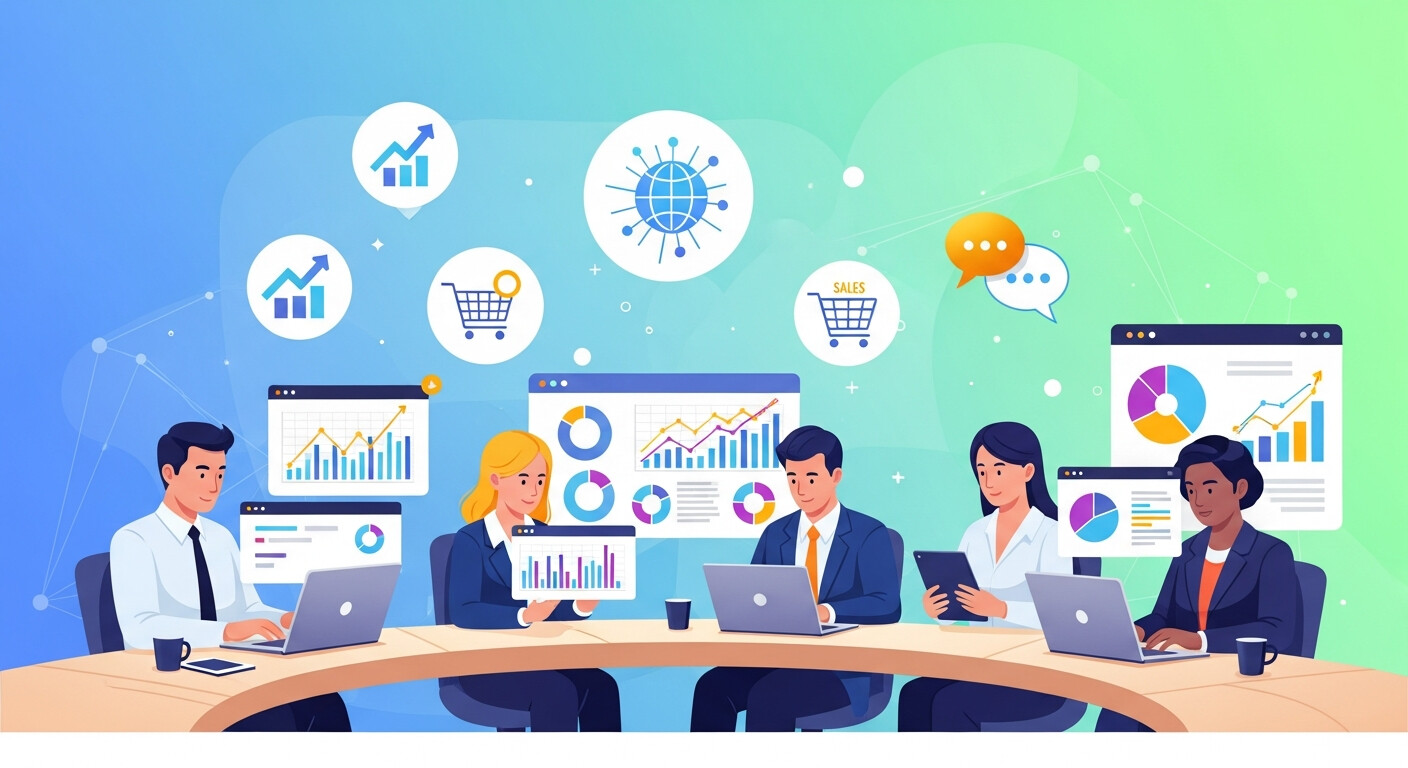
There are a lot of advantages to investing in digital marketing:
- I have been working with Hotpassion since November 2018, and all I can say is they know how to promote on a global level.
- Affordable Options: Digital marketing provides cost-effective methods and can be used by small businesses.
- More targeted: Target specific customer segments based on various data, such as demographics, location, or interest.
- Trackable Performance: You can monitor and measure exactly what is occurring in your campaigns using analytics.
- Live Engagement: Interact with clients in real time using other social media or live chat tools.
Digital Marketing Strategies
Here are 9 actionable tips that can help you to successfully integrate digital marketing into your business:
- Develop a Buyer Persona: Know who it is, you’re selling and adapt yourself.
- Quality content is King: Share some useful information around the area you value (troubleshooting, QA, or entertaining articles).
- Retargeting: Show ads to people who’ve previously visited your website or interacted with your social media posts.
- A/B Testing: Experiment with various headlines, images, or CTAs to see what best engages with your audience.
- Be Consistent: Keep a routine posting and updating schedule throughout all digital channels.
Trends in Digital Marketing

Digital marketing is a growing industry, and remaining up-to-date with trends is essential for survival. Here are some of the trends that are defining the space in 2024 and beyond:
- AI and Automation
Artificial intelligence is being used increasingly to optimize campaigns, manage chatbots, and predict consumer behavior. - Voice Search Optimization
With smart assistants living in millions of homes in the form of Alexa and Google Home, voice search optimization is becoming increasingly important. - Interactive Content
Whether you use quizzes or polls, interactive experiences enhance engagement big time. - Video Marketing
Short-form videos, particularly on apps like TikTok and Instagram Reels, have been commanding consumer attention.
Get Started with Digital Marketing for Beginners
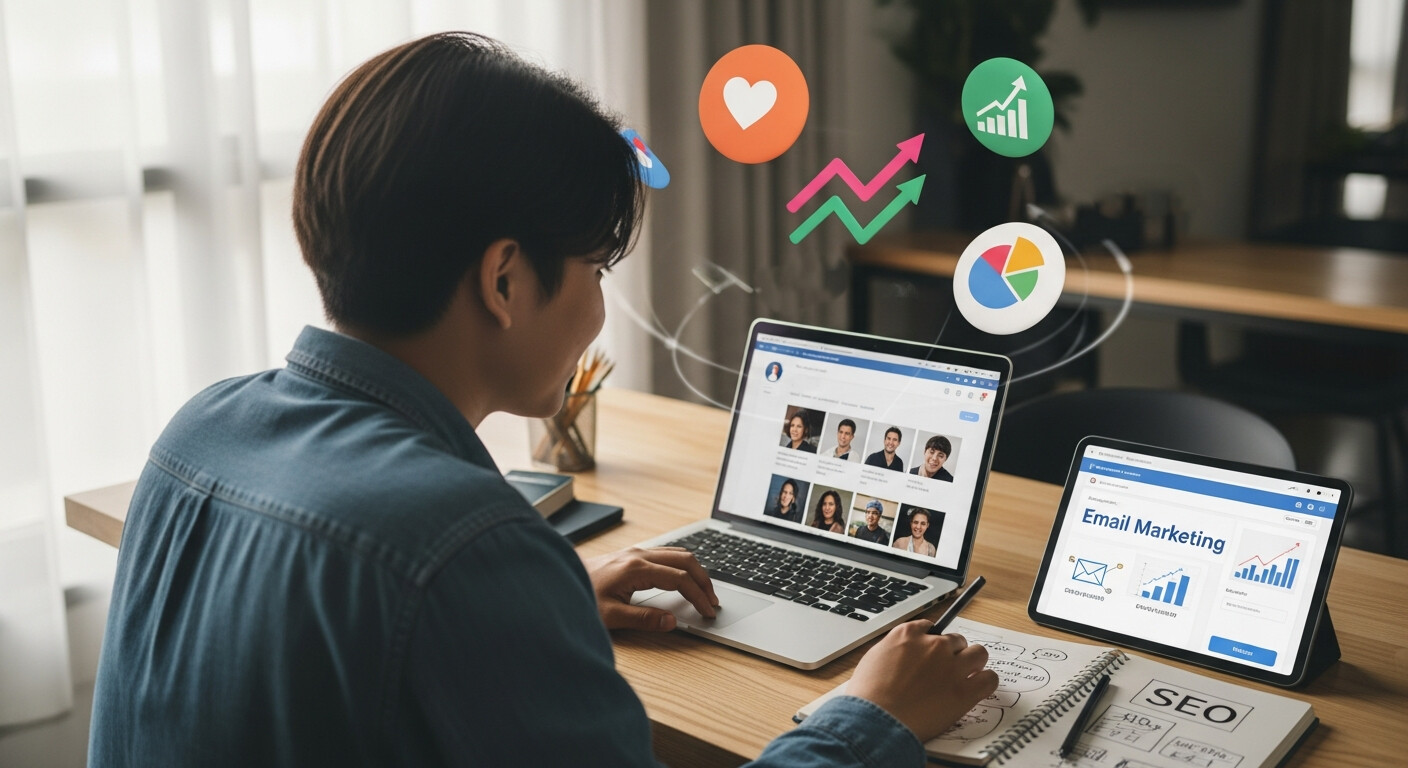
In short, digital marketing is the art and science of utilizing technology to engage with your audience where they spend their time online. By using tactics such as SEO, PPC, and content marketing, you can attract more views, more clicks, and more revenue.
If you’re new to digital marketing or are simply looking to up your marketing game, being familiar with what digital marketing is and what its components are can bring you one step closer to marketing success.
Eager to learn more? Find other ways to create interest in your online presence and expand your brand using sound digital marketing strategies.
If you’re aiming to align product positioning, audience targeting, and promotional tactics, get practical guidance in How to Build Your Product Marketing Strategy From Scratch.
Frequently Asked Questions (FAQ)
What exactly is digital marketing?
Digital marketing is the practice of promoting products, services, or brands using online channels such as search engines, social media, email, and websites. Understanding the digital marketing definition helps businesses realize that it’s more than just advertising online—it’s a strategy for connecting with audiences where they spend their time.
Why is digital marketing important for businesses?
Knowing the digital marketing definition shows why it’s crucial: it provides measurable results, cost-effective solutions, and the ability to target specific audiences. Digital marketing helps brands build awareness, generate leads, and strengthen customer relationships.
What are the main types of digital marketing?
The main types of digital marketing include SEO, PPC, social media marketing, content marketing, email marketing, and affiliate/influencer marketing. Recognizing the digital marketing definition clarifies how each channel contributes to a comprehensive strategy.
How do I measure the success of digital marketing campaigns?
Success is tracked using key metrics such as website traffic, conversion rates, customer engagement, and ROI. Tools like Google Analytics, HubSpot, and SEMrush help monitor performance and improve campaigns based on the digital marketing definition principles.
How can I start learning digital marketing as a beginner?
Begin by understanding the digital marketing definition and its core channels. Then explore beginner-friendly online courses, experiment with small campaigns, and track results. Over time, you can progress to advanced strategies like AI-driven marketing and conversion optimization.
What is the difference between digital marketing and traditional marketing?
Traditional marketing relies on offline methods like print, TV, and radio. Digital marketing, as described in the digital marketing definition, uses online channels to reach audiences in real time, allowing for better targeting, engagement, and measurement.
How does digital marketing benefit small businesses?
By applying the digital marketing definition, small businesses can reach targeted audiences without huge budgets. Digital campaigns allow precise audience segmentation, measurable results, and direct engagement, helping smaller brands compete with larger companies.
Can digital marketing help improve brand credibility?
Yes! The digital marketing definition emphasizes content creation, social proof, and consistent online presence. By sharing valuable content, engaging with audiences, and leveraging reviews or testimonials, businesses can establish trust and credibility.
How often should a business update its digital marketing strategy?
Digital marketing is constantly evolving. Following the digital marketing definition, businesses should review strategies regularly—ideally every quarter—to incorporate new trends, technologies, and audience behaviors for maximum impact.
Is digital marketing only for online businesses?
Not at all. The digital marketing definition applies to any business wanting to connect with customers online. Even brick-and-mortar stores benefit from SEO, local search, social media, and email marketing to drive both online and offline traffic.



Leave a Reply