

Digital marketing is crucial for businesses to reach customers, build brand awareness, and drive growth. From SEO to social media, these strategies help companies compete, connect with their audience, and maximize ROI in an increasingly online world.
Running a business without digital marketing is like opening a store in the middle of nowhere and hoping customers will find you. It might work for a select few, but for most, it’s a missed opportunity.
The way people discover, research, and buy products has fundamentally changed. Consumers now turn to search engines, social media, and email before making purchasing decisions. If your business isn’t visible in these spaces, you’re essentially invisible to a massive portion of your potential audience.
Digital marketing is crucial for businesses because it levels the playing field. Whether you’re a startup or an established brand, online marketing strategies allow you to reach the right people at the right time. It’s cost-effective, measurable, and adaptable—qualities that traditional marketing simply can’t match.
This post will break down why digital marketing matters, how it benefits businesses of all sizes, and what strategies you should focus on to stay competitive.
The Shift to Digital: Why Traditional Marketing Isn’t Enough
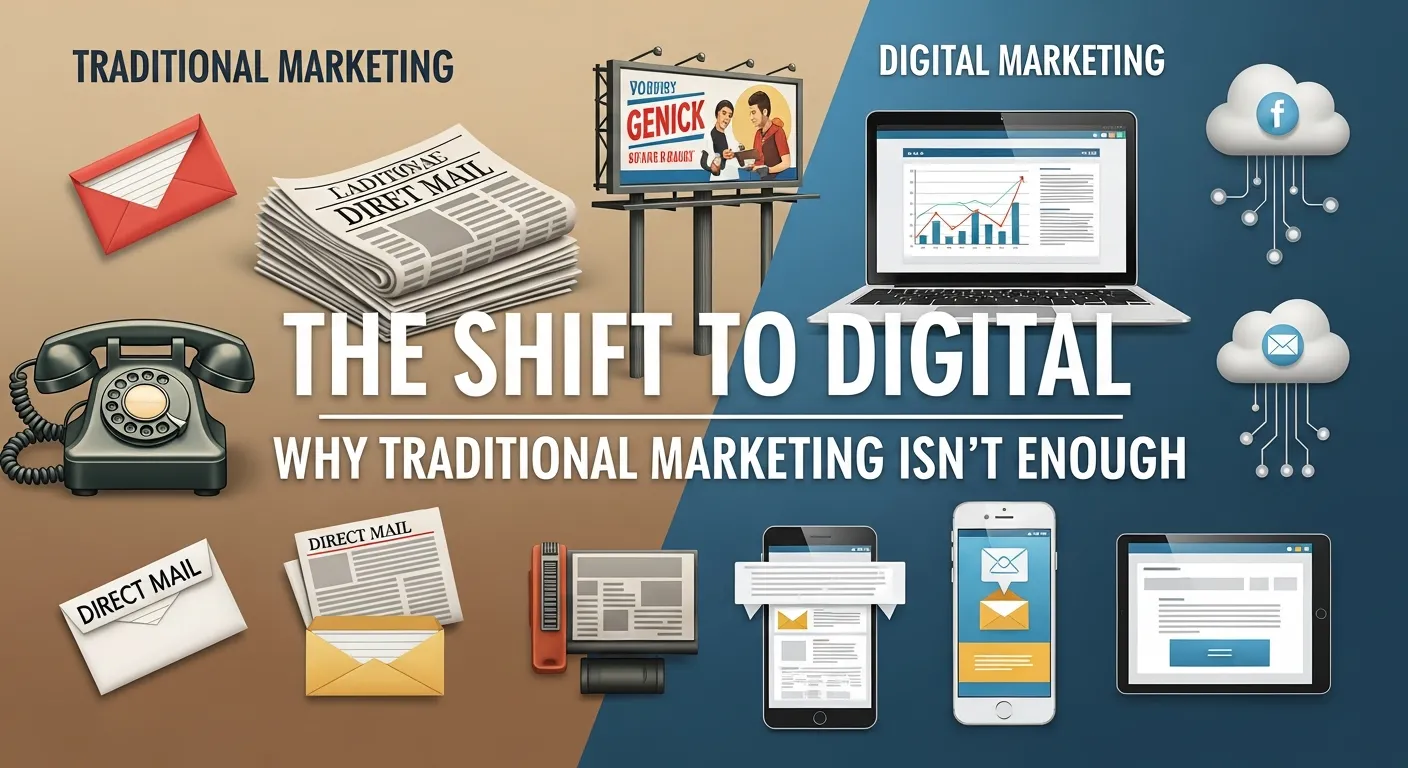
Traditional marketing—billboards, TV ads, print media—still has its place. But it’s expensive, hard to track, and doesn’t offer the targeting precision that digital channels provide.
Consider this: a billboard on a highway might be seen by thousands of people, but how many of them are actually interested in what you’re selling? With digital marketing, you can target specific demographics, interests, and behaviors to ensure your message reaches people who are most likely to convert.
Search engines alone process billions of queries every day. Social media platforms have billions of active users. Email remains one of the highest-ROI marketing channels available. If your business isn’t leveraging these platforms, you’re leaving money on the table.
How Digital Marketing Drives Business Growth
Expanding Your Reach
One of the biggest advantages of digital marketing is the ability to reach a global audience. A small business in Texas can sell products to customers in Tokyo, London, or Sydney—all through a well-optimized website and targeted ads.
Even if you’re focused on local customers, digital strategies like local SEO and Google My Business listings ensure you appear when people search for services in your area.
Building Brand Awareness
Consistent online presence builds trust. When potential customers see your brand across multiple touchpoints—search results, social media, email—they’re more likely to remember and choose you over competitors.
Content marketing, in particular, positions your business as an authority in your industry. Blogs, videos, and infographics that provide value help establish credibility and keep your brand top of mind.
Generating Quality Leads
Digital marketing isn’t just about attracting visitors—it’s about attracting the right visitors. Through strategies like search engine optimization (SEO), pay-per-click (PPC) advertising, and social media targeting, you can connect with people who are actively searching for what you offer.
Email marketing for your small business is another powerful tool. By nurturing leads through personalized email campaigns, you can guide prospects through the buying journey and increase conversions.
Measurable Results
Unlike traditional marketing, digital marketing provides real-time data. You can track website traffic, conversion rates, email open rates, and ad performance. This allows you to see what’s working, adjust strategies on the fly, and maximize your return on investment.
Key Digital Marketing Strategies Every Business Should Use
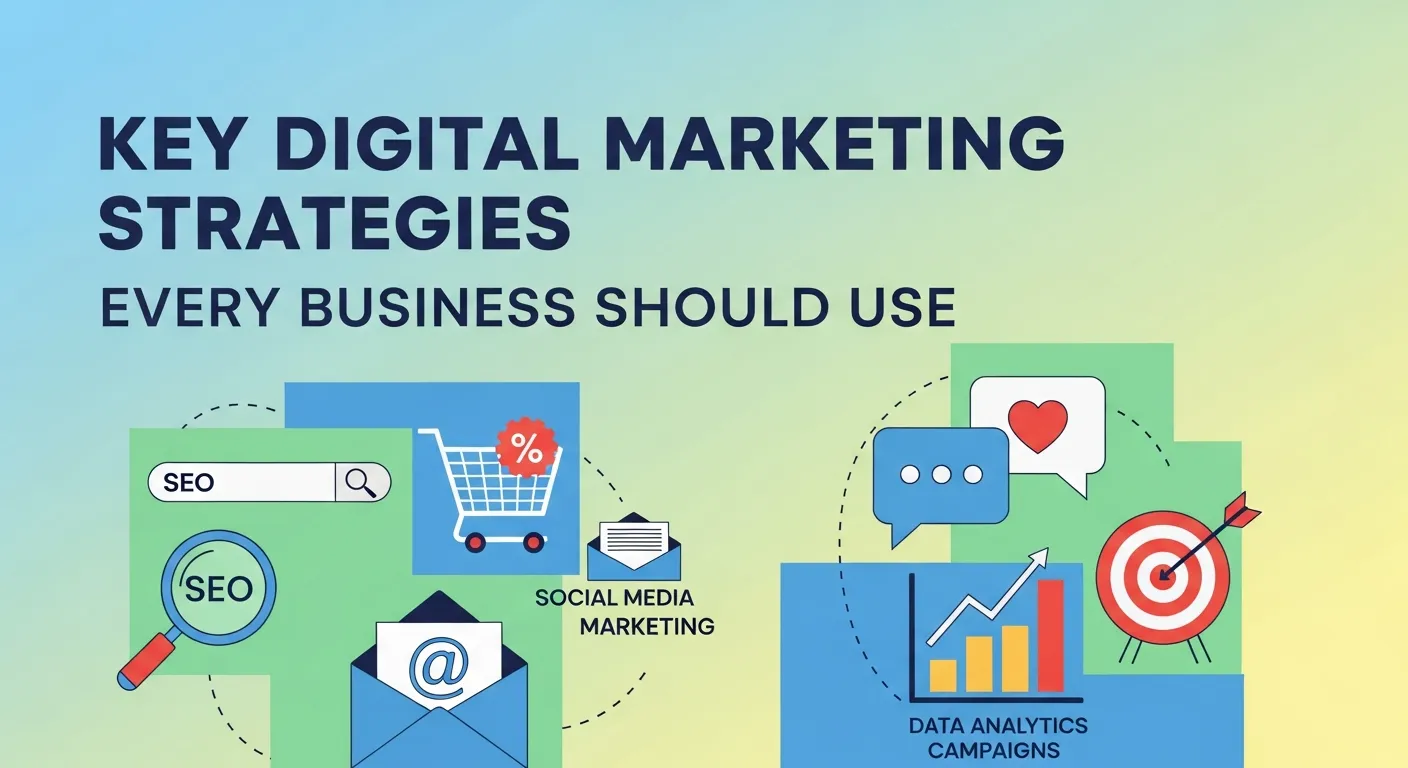
Search Engine Optimization (SEO)
SEO is the practice of optimizing your website to rank higher in search engine results. When done correctly, it drives organic traffic—people who are actively searching for products or services like yours.
Key elements of SEO include:
- Keyword research: Identifying the terms your audience is searching for
- On-page optimization: Structuring content with relevant keywords, meta tags, and headers
- Technical SEO: Ensuring your site loads quickly, is mobile-friendly, and has a clean structure
- Link building: Earning backlinks from reputable sites to boost authority
SEO is a long-term strategy, but the results compound over time. Businesses that invest in SEO see sustained traffic growth without paying for ads.
Pay-Per-Click Advertising (PPC)
PPC ads, like Google Ads and Facebook Ads, allow you to reach your audience instantly. You only pay when someone clicks on your ad, making it a cost-effective way to drive targeted traffic.
PPC is particularly useful for:
- Promoting time-sensitive offers
- Testing new markets or products
- Supplementing organic traffic while your SEO efforts gain traction
Social Media Marketing
Social media platforms like Facebook, Instagram, LinkedIn, and Twitter provide direct access to billions of users. Whether you’re sharing content, running ads, or engaging with followers, social media helps you build relationships with your audience.
The key is choosing the right platforms for your business. B2B companies often find success on LinkedIn, while consumer brands thrive on Instagram and TikTok.
Content Marketing
Content marketing is about creating valuable, relevant content that attracts and engages your target audience. This includes blog posts, videos, podcasts, infographics, and more.
High-quality content does more than just drive traffic—it educates your audience, answers their questions, and positions your brand as a trusted resource.
Email Marketing
Email marketing remains one of the most effective digital channels. It allows you to communicate directly with your audience, nurture leads, and drive repeat purchases.
Email marketing for your small business can include:
- Welcome sequences for new subscribers
- Promotional campaigns highlighting sales or new products
- Educational newsletters that provide value and keep your brand top of mind
Affiliate Marketing
Affiliate marketing for businesses involves partnering with individuals or companies who promote your products in exchange for a commission. It’s a performance-based strategy that expands your reach without upfront costs.
This approach works particularly well for e-commerce businesses looking to scale quickly.
Benefits for Small Business
Small businesses often operate with limited budgets, which makes digital marketing even more critical. Here are some specific benefits for small business owners:
Cost-Effective Marketing
Compared to traditional advertising, digital marketing is far more affordable. You can start with a small budget and scale as you see results. Even free strategies like organic social media and content marketing can drive significant growth.
Competing with Larger Companies
Digital marketing levels the playing field. A small business with a strong SEO strategy and engaging content can outrank a larger competitor that neglects its online presence.
Flexibility and Adaptability
Digital campaigns can be adjusted in real time. If an ad isn’t performing, you can tweak the messaging, targeting, or budget. This flexibility allows small businesses to experiment and optimize without wasting resources.
Building Customer Relationships
Digital channels make it easier to engage with customers. Responding to comments, answering questions, and sharing user-generated content fosters loyalty and turns customers into brand advocates.
Navigating Digital Marketing Jobs
As businesses invest more in online strategies, demand for skilled marketers continues to grow. However, with the rise of remote work, questions like “are digital marketing jobs legit?” have become more common.
The short answer: yes. Digital marketing jobs are not only legitimate but also in high demand. Roles like SEO specialists, content strategists, social media managers, and PPC analysts offer competitive salaries and opportunities for remote work.
For businesses, this means access to a global talent pool. You can hire experts who specialize in specific areas of digital marketing without being limited by geography.
Common Mistakes to Avoid
While digital marketing offers incredible opportunities, there are pitfalls to watch out for:
- Ignoring analytics: If you’re not tracking performance, you can’t improve. Use tools like Google Analytics and social media insights to monitor your results.
- Inconsistent branding: Your messaging, visuals, and tone should be consistent across all channels.
- Neglecting mobile users: Over half of web traffic comes from mobile devices. Ensure your website and emails are mobile-friendly.
- Chasing trends without strategy: Just because a new platform is popular doesn’t mean it’s right for your business. Focus on channels where your audience spends time.
Staying Ahead in a Competitive Landscape
Digital marketing is crucial for businesses because it’s no longer optional—it’s essential. Companies that embrace online strategies can reach more customers, build stronger brands, and grow faster than those relying solely on traditional methods.
The digital landscape is constantly evolving. New platforms emerge, algorithms change, and consumer behaviors shift. Businesses that stay informed, test new strategies, and adapt quickly will maintain a competitive edge.
Whether you’re just starting out or looking to refine your approach, investing in digital marketing is one of the smartest decisions you can make for long-term success.
Frequently Asked Questions
1. What is digital marketing, and why is it important?
Digital marketing encompasses all online strategies used to promote products or services, including SEO, PPC, social media marketing, email campaigns, and content marketing. Digital Marketing Is Crucial for Businesses because it helps brands connect with their audience where they spend most of their time—online. It increases visibility, builds brand awareness, drives targeted traffic, and delivers measurable results that traditional marketing cannot easily provide.
2. How much should a small business spend on digital marketing?
A common recommendation is to allocate 7–10% of your revenue to marketing, depending on your growth goals and industry competition. Since Digital Marketing Is Crucial for Businesses, small companies should view marketing as an investment rather than an expense. Starting with a manageable budget and scaling based on performance metrics is usually the smartest approach.
3. What’s the difference between SEO and PPC?
SEO (Search Engine Optimization) focuses on earning organic traffic by optimizing website content, improving technical performance, and building authority. PPC (Pay-Per-Click) involves paying for ads to appear in search engine results or social media feeds. Both strategies demonstrate why Digital Marketing Is Crucial for Businesses, as SEO supports long-term growth while PPC provides immediate visibility.
4. Is social media marketing necessary for every business?
Not every business needs to be active on every platform. However, maintaining a strategic social media presence helps build brand awareness and strengthen customer relationships. Because Digital Marketing Is Crucial for Businesses, choosing the right platforms for your audience is more important than being everywhere.
5. How long does it take to see results from digital marketing?
Results vary depending on the strategy. SEO may take several months to show significant growth, while PPC and social media ads can generate traffic almost immediately. Email and content marketing usually deliver steady long-term results. Since Digital Marketing Is Crucial for Businesses, combining short-term and long-term strategies is often the best approach.
6. Are digital marketing jobs legit?
Yes, digital marketing jobs are legitimate and in high demand. As more organizations understand that Digital Marketing Is Crucial for Businesses, they continue investing in skilled professionals such as SEO specialists, content marketers, and PPC experts. Many roles also offer flexible and remote work opportunities.
7. What is affiliate marketing, and how can it help my business?
Affiliate marketing is a performance-based strategy where partners promote your products or services in exchange for a commission. Because Digital Marketing Is Crucial for Businesses, affiliate marketing offers a low-risk way to expand reach and drive sales without large upfront costs.
8. Can email marketing still work for my small business?
Absolutely. Email marketing remains one of the highest-ROI digital channels available. Since Digital Marketing Is Crucial for Businesses, nurturing leads through personalized email campaigns helps maintain long-term customer relationships and increase repeat sales.
9. What are the biggest benefits of digital marketing for small businesses?
Key benefits include cost-effectiveness, precise targeting, measurable results, and the ability to compete with larger competitors. Because Digital Marketing Is Crucial for Businesses, small companies can achieve significant growth even with limited budgets.
10. How do I know which digital marketing strategies to focus on?
Start by understanding your audience and defining clear business goals. If you need immediate traffic, PPC may be ideal. If you’re building long-term authority, focus on SEO and content marketing. Since Digital Marketing Is Crucial for Businesses, aligning your strategy with objectives ensures better ROI.
11. What tools do I need to get started with digital marketing?
Some essential tools include:
- Google Analytics for tracking website performance
- Mailchimp for managing email campaigns
- Buffer or Hootsuite for scheduling social media content
Using the right tools reinforces why Digital Marketing Is Crucial for Businesses, as data-driven decisions improve overall marketing effectiveness.
12. How can I measure the success of my digital marketing efforts?
Track key metrics such as website traffic, conversion rates, click-through rates (CTR), engagement levels, and return on ad spend (ROAS). Because Digital Marketing Is Crucial for Businesses, continuous monitoring and optimization are essential for long-term growth and competitive advantage.



Leave a Reply