

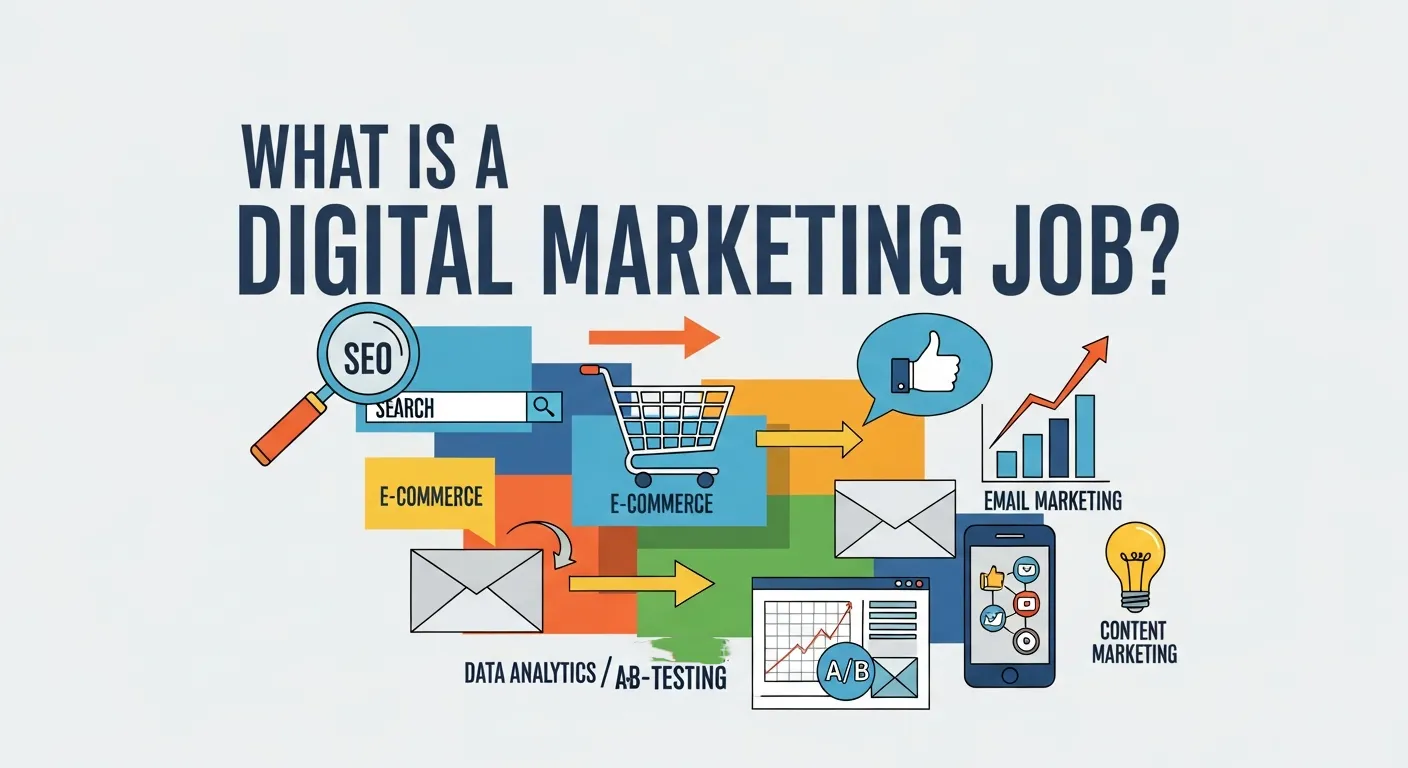
A digital marketing job involves promoting products, services, or brands through online channels like social media, search engines, email, and websites. These roles require creativity, analytical skills, and technical expertise to help businesses reach their target audiences and achieve measurable results in an increasingly digital world.
Digital marketing has transformed how businesses connect with customers. From startups to multinational corporations, organizations rely on skilled professionals to navigate the complexities of online promotion and customer engagement. If you’re considering a career in this dynamic field, understanding what a digital marketing job entails is your first step toward success.
This comprehensive guide explores the various aspects of digital marketing careers, from job responsibilities and required skills to growth opportunities and industry trends. Whether you’re a recent graduate, a career changer, or simply curious about this profession, you’ll find valuable insights to help you make informed decisions about your future.
Understanding Digital Marketing Jobs
A digital marketing job encompasses a wide range of roles focused on promoting brands, products, or services through digital channels. These positions combine creativity with data analysis, requiring professionals to craft compelling messages while measuring their impact on business objectives.
Digital marketing professionals work across multiple platforms including social media networks, search engines, email systems, and websites. They develop strategies to increase brand awareness, generate leads, drive sales, and build customer loyalty. The scope of responsibilities varies depending on the specific role, company size, and industry sector.
Core Responsibilities
Digital marketers typically handle several key responsibilities:
- Content Creation: Developing engaging text, images, videos, and other media for online audiences
- Campaign Management: Planning, executing, and optimizing marketing campaigns across various channels
- Data Analysis: Tracking performance metrics and using insights to improve results
- SEO Optimization: Improving website visibility in search engine results
- Social Media Management: Building and engaging communities on platforms like Instagram, LinkedIn, and Twitter
- Email Marketing: Creating targeted email campaigns to nurture leads and retain customers
- Paid Advertising: Managing budget and strategy for online ads on Google, Facebook, and other platforms
Why Digital Marketing Is Crucial for Businesses
Businesses of all sizes recognize that digital marketing is crucial for businesses looking to remain competitive. Consumer behavior has shifted dramatically toward online research and purchasing, making a strong digital presence essential for survival and growth.
Digital marketing offers several advantages over traditional marketing methods. It provides precise targeting capabilities, allowing businesses to reach specific demographics based on interests, behaviors, and location. The measurable nature of digital campaigns enables companies to track return on investment and adjust strategies in real-time.
For small businesses especially, digital marketing levels the playing field. With strategic planning and execution, even companies with limited budgets can compete with larger competitors. The benefits for small business include cost-effective advertising, direct customer engagement, and the ability to build brand recognition without massive marketing budgets.
Types of Digital Marketing Jobs
The digital marketing field offers diverse career paths, each requiring specialized skills and knowledge.
SEO Specialist
Search Engine Optimization specialists focus on improving website rankings in search results. They conduct keyword research, optimize website content, build backlinks, and monitor algorithm changes to ensure their websites maintain visibility.
Social Media Manager
These professionals create and manage content across social media platforms. They develop posting schedules, engage with followers, run paid social campaigns, and analyze performance metrics to grow online communities.
Content Marketing Specialist
Content marketers develop strategies to attract and retain audiences through valuable, relevant content. They write blog posts, create videos, design infographics, and produce other materials that educate and engage potential customers.
PPC Specialist
Pay-per-click specialists manage paid advertising campaigns on platforms like Google Ads and social media networks. They research keywords, write ad copy, set budgets, and optimize campaigns to maximize return on ad spend.
Email Marketing Manager
Email marketing professionals build and segment subscriber lists, design email templates, write persuasive copy, and analyze campaign performance to nurture leads and drive conversions.
Marketing Analytics Professional
For those interested in a career in marketing analytics, this path offers opportunities to dive deep into data. These specialists collect, analyze, and interpret marketing data to provide actionable insights that guide strategy decisions.
Essential Skills for Digital Marketing Jobs
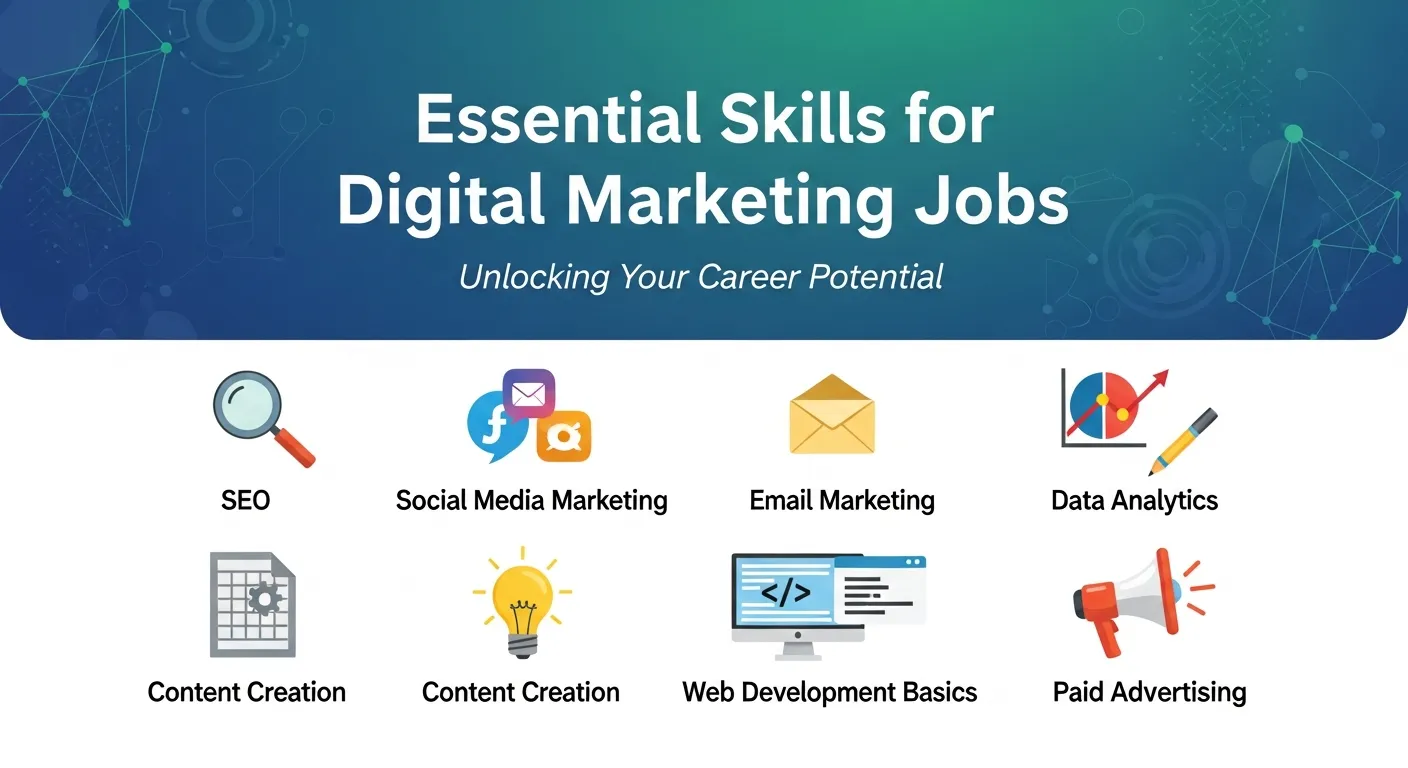
Success in digital marketing requires a blend of creative and technical abilities.
Technical Skills
- Analytics Platforms: Proficiency with Google Analytics, Adobe Analytics, or similar tools
- Marketing Automation: Experience with platforms like HubSpot, Marketo, or Mailchimp
- Content Management Systems: Familiarity with WordPress, Drupal, or other CMS platforms
- Design Software: Basic knowledge of Canva, Adobe Creative Suite, or similar tools
- SEO Tools: Understanding of SEMrush, Ahrefs, Moz, or comparable platforms
Soft Skills
- Communication: Ability to craft clear, persuasive messages for diverse audiences
- Analytical Thinking: Capacity to interpret data and draw meaningful conclusions
- Creativity: Talent for developing fresh, engaging content ideas
- Adaptability: Willingness to learn new tools and adjust to platform changes
- Project Management: Skill in juggling multiple campaigns and meeting deadlines
How to Make Digital Marketing Effective for Businesses
Understanding how digital marketing effective for businesses operate requires grasping both strategy and execution. Successful digital marketers don’t simply post content—they develop comprehensive plans aligned with business objectives.
Effective digital marketing begins with understanding the target audience. This includes researching demographics, preferences, pain points, and online behaviors. With this foundation, marketers can create personalized campaigns that resonate with specific segments.
Integration across channels amplifies results. A cohesive strategy that combines SEO, content marketing, social media, email, and paid advertising creates multiple touchpoints that guide customers through the buying journey. Consistency in messaging and branding across these channels builds trust and recognition.
Continuous testing and optimization separate good marketers from great ones. A/B testing headlines, images, calls-to-action, and other elements helps identify what works best. Regular performance reviews enable marketers to allocate resources to the highest-performing tactics.
Career Growth and Job Opportunities
The digital marketing field offers substantial jobs growth potential. As more businesses shift budgets from traditional to digital channels, demand for skilled professionals continues rising across industries.
Entry-level positions typically include roles like social media coordinator, content writer, or digital marketing assistant. These positions provide hands-on experience and exposure to various aspects of digital marketing.
Mid-level professionals often specialize in specific areas while taking on more strategic responsibilities. Titles might include SEO manager, social media strategist, or email marketing manager. These roles involve campaign planning, team collaboration, and performance analysis.
Senior positions include director of digital marketing, chief marketing officer, or VP of marketing. These leaders develop overall marketing strategy, manage budgets, build teams, and report directly to executive leadership.
Many digital marketers also pursue freelance or consulting opportunities, offering flexibility and the chance to work with diverse clients across industries.
Are Digital Marketing Jobs Legit?
A common question among job seekers is whether digital marketing jobs legit opportunities exist or if the field is saturated with scams. The answer is overwhelmingly positive—digital marketing represents a legitimate, growing profession with substantial career potential.
However, caution is warranted when evaluating job postings. Legitimate positions clearly outline responsibilities, required qualifications, and compensation. They come from established companies with verifiable online presence and professional recruitment processes.
Red flags include vague job descriptions, promises of unrealistic income, requests for upfront payment, or pressure to make quick decisions. Research potential employers thoroughly, check reviews on sites like Glassdoor, and verify company legitimacy before accepting offers.
Reputable sources for finding digital marketing positions include LinkedIn, Indeed, company career pages, industry-specific job boards like MarketingHire, and professional networking groups.
Digital Marketing vs. Other Online Jobs
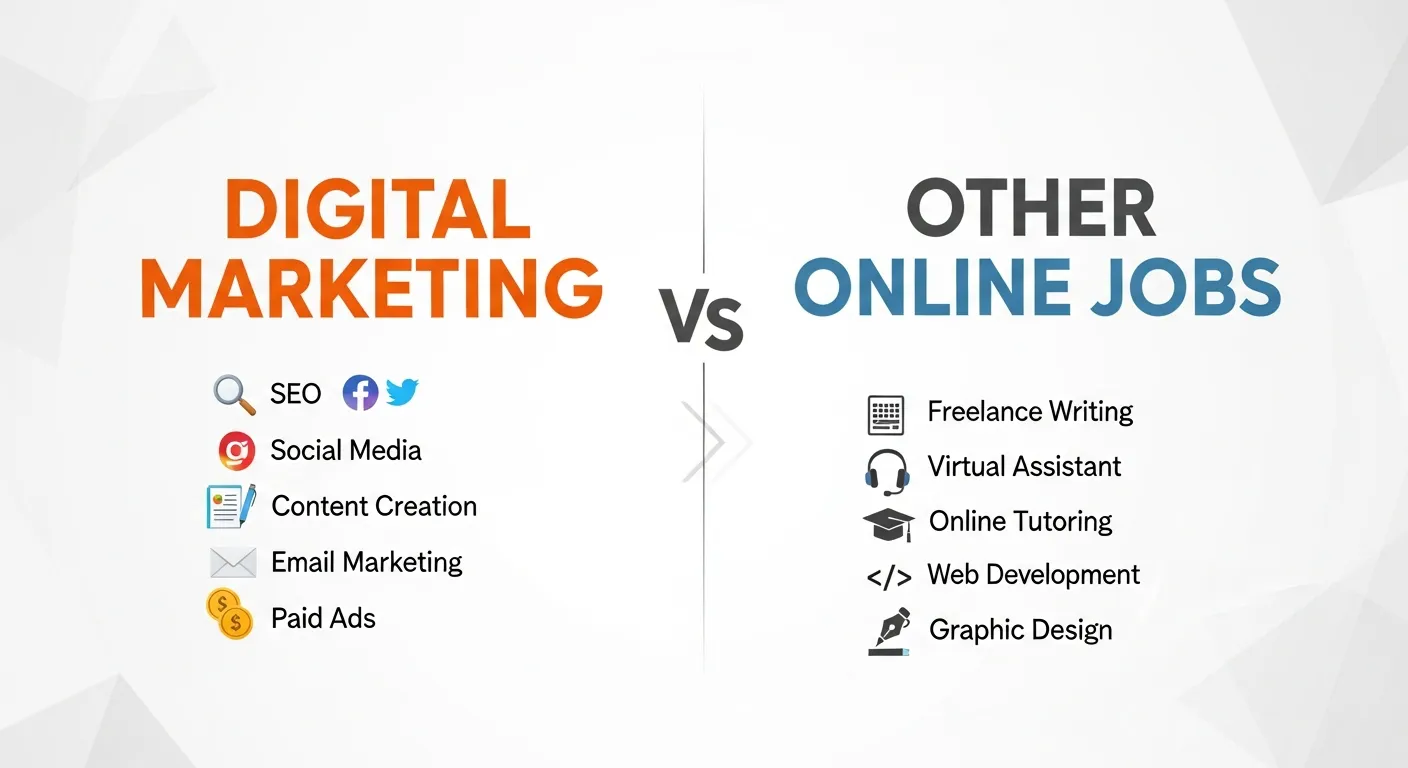
Digital marketing differs significantly from other online opportunities like online typing jobs or data entry positions. While typing jobs focus on transcription or document creation, digital marketing requires strategic thinking, creative problem-solving, and business acumen.
Digital marketing roles typically offer higher earning potential, greater career advancement opportunities, and more engaging work. They require continuous learning as platforms, algorithms, and best practices evolve, keeping the work challenging and intellectually stimulating.
The skill development in digital marketing also proves more transferable. The analytical, creative, and technical abilities gained apply across industries and positions, providing long-term career security.
Education and Training Requirements
While formal education helps, it’s not always essential for breaking into digital marketing. Many successful professionals have built careers through self-study, online courses, and hands-on experience.
Relevant degree programs include marketing, communications, business administration, journalism, or related fields. These provide foundational knowledge in consumer behavior, market research, and business strategy.
Certifications demonstrate expertise in specific areas and can enhance employment prospects:
- Google Analytics Individual Qualification
- Google Ads Certification
- HubSpot Content Marketing Certification
- Facebook Blueprint Certification
- Hootsuite Social Marketing Certification
Practical experience often matters more than credentials. Building a portfolio through internships, volunteer work, personal projects, or freelance gigs showcases your abilities to potential employers.
Salary Expectations
Digital marketing salaries vary based on experience level, location, company size, and specialization. Entry-level positions typically range from $40,000 to $55,000 annually in the United States.
Mid-level professionals with three to five years of experience generally earn between $55,000 and $80,000. Specialists in high-demand areas like SEO or paid advertising may command higher salaries.
Senior positions and leadership roles often exceed $100,000, with some reaching $150,000 or more at large corporations or in major metropolitan areas.
Freelance rates vary widely, typically ranging from $50 to $200+ per hour depending on expertise and service offerings.
Getting Started in Digital Marketing
Breaking into digital marketing requires strategic preparation and proactive effort.
Start by building foundational knowledge through free resources like Google’s Digital Garage, HubSpot Academy, and industry blogs. Experiment with creating content on personal social media accounts or a blog to develop practical skills.
Consider offering services to local businesses, nonprofits, or friends’ ventures at reduced rates to build your portfolio. Document your work, track results, and gather testimonials.
Network actively both online and offline. Join LinkedIn groups, attend marketing meetups, participate in Twitter chats, and connect with professionals in your area. Many jobs come through referrals and relationships rather than traditional applications.
Tailor your resume and cover letter to highlight relevant skills and experiences. Emphasize results achieved, not just tasks performed. Include metrics whenever possible—increases in followers, engagement rates, website traffic, or conversions.
The Future of Digital Marketing Careers
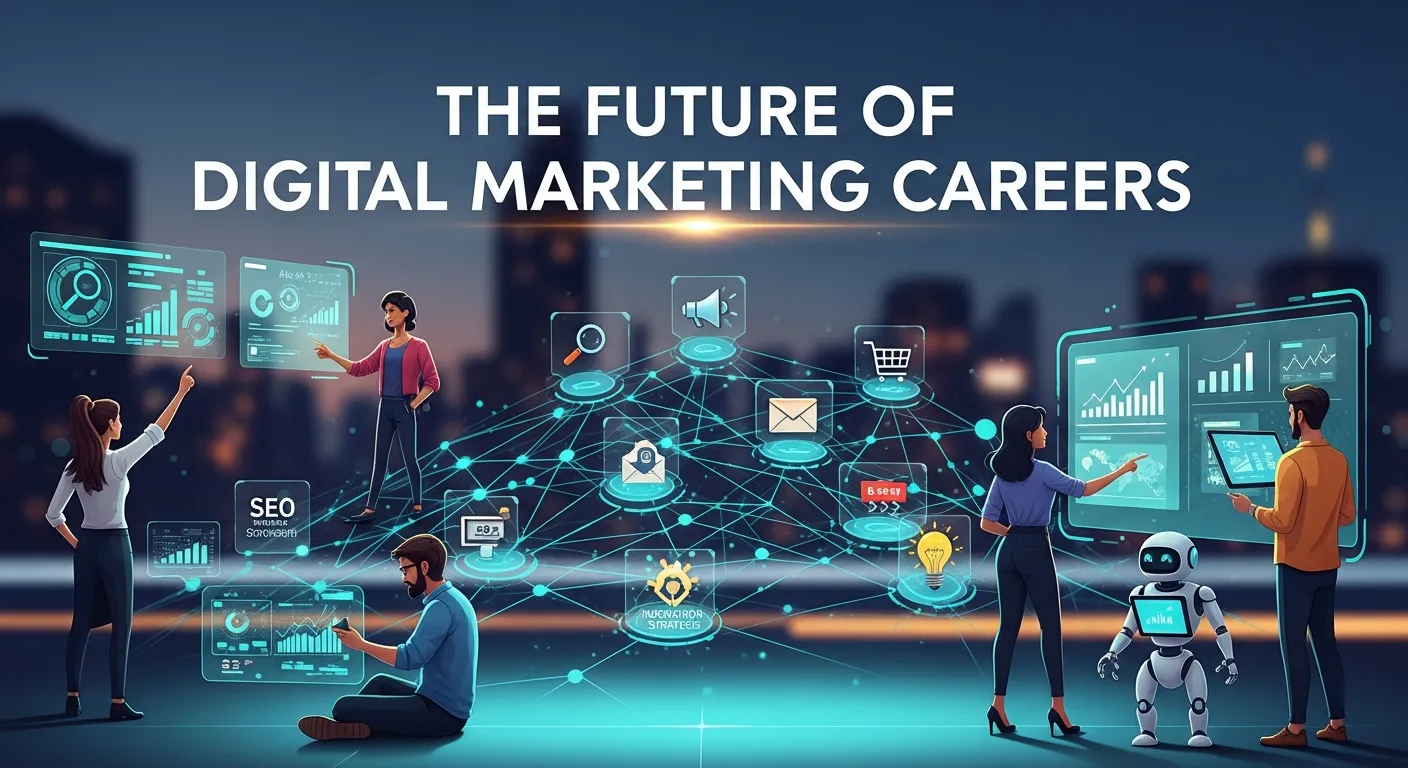
Digital marketing continues evolving rapidly, presenting both challenges and opportunities for professionals. Emerging technologies like artificial intelligence, voice search, and augmented reality are reshaping how brands connect with audiences.
Automation handles increasingly routine tasks, freeing marketers to focus on strategy, creativity, and relationship building. Understanding how to leverage AI tools while maintaining the human element that resonates with audiences will distinguish successful professionals.
Privacy regulations and changes to data collection practices are transforming targeting and measurement approaches. Marketers must adapt strategies to respect consumer privacy while still delivering personalized experiences.
Video content, influencer partnerships, and interactive experiences continue gaining importance. Professionals who develop skills in these areas position themselves for long-term success.
Wrapping Up Your Digital Marketing Journey
A digital marketing job offers an exciting career path for creative, analytical individuals who enjoy staying current with technology and consumer trends. The field provides diverse opportunities across industries, strong growth potential, and the satisfaction of seeing direct results from your efforts.
Success requires continuous learning, adaptability, and willingness to experiment. Whether you’re just starting or looking to advance your career, focus on developing both broad marketing knowledge and deep expertise in one or two specialized areas.
The digital landscape will continue changing, but the fundamental goal remains constant: connecting businesses with customers in meaningful ways. If you’re ready to embrace this challenge, digital marketing offers a rewarding career with virtually unlimited potential.
Frequently Asked Questions
1.What qualifications do I need for a digital marketing job?
While a degree in marketing or related fields helps, many employers prioritize practical skills and demonstrated results over formal education. Certifications from Google, HubSpot, or Facebook can strengthen your credentials, but a strong portfolio showcasing successful campaigns often matters most.
2.How long does it take to get a job in digital marketing?
The timeline varies based on your background and effort. Someone with transferable skills might land an entry-level position within a few months of focused preparation, while career changers might need six months to a year to build sufficient knowledge and portfolio pieces.
3.Can I work remotely in digital marketing?
Yes, many digital marketing positions offer remote or hybrid work options. The nature of the work—primarily conducted online—makes it well-suited to remote arrangements. However, some companies prefer in-office presence for collaboration and training.
4.Is digital marketing a stressful career?
Like any profession, digital marketing can be stressful during busy periods or when managing multiple deadlines. However, stress levels vary by company culture, role, and individual workload management. Many professionals find the work engaging enough that challenges feel energizing rather than overwhelming.
5.Do I need to know coding for digital marketing?
Basic coding knowledge helps but isn’t essential for most roles. Understanding HTML and CSS basics can be useful for email marketing and website updates, but many tools now offer drag-and-drop interfaces that eliminate coding requirements.
6.What’s the difference between digital marketing and traditional marketing?
Digital marketing uses online channels like websites, social media, and email, while traditional marketing relies on offline methods like print ads, billboards, and television. Digital marketing offers more precise targeting, real-time measurement, and typically lower costs.
7.Are digital marketing jobs in demand?
Yes, digital marketing jobs remain in high demand as businesses increasingly shift budgets to online channels. The U.S. Bureau of Labor Statistics projects faster-than-average growth for marketing managers and specialists through the next decade.
8.What industries hire digital marketers?
Nearly every industry needs digital marketers, from retail and healthcare to finance and technology. E-commerce companies, software firms, agencies, and B2B organizations are particularly active hirers.
9.How much can I earn as a freelance digital marketer?
Freelance earnings vary widely based on services offered, client types, and experience level. New freelancers might charge $30-50 per hour, while experienced specialists can command $100-300+ per hour or project-based fees ranging from hundreds to thousands of dollars.
10.What’s the best way to stay current in digital marketing?
Follow industry blogs like Moz, Search Engine Journal, and Social Media Examiner. Subscribe to newsletters from marketing platforms, attend webinars, participate in online communities, and experiment with new features as platforms release them.
11.Is digital marketing suitable for introverts?
Absolutely. While some roles require client interaction, many digital marketing positions allow for significant independent work time. Content writing, SEO analysis, and data analytics can be excellent fits for introverts who prefer focused, individual work.
12.Can I transition to digital marketing from another career?
Yes, many successful digital marketers come from diverse backgrounds including journalism, graphic design, sales, customer service, and even unrelated fields. Transferable skills like writing, analysis, creativity, and customer understanding provide strong foundations for learning digital marketing specifics.



Leave a Reply