

Choosing the right digital marketing certification can transform your career prospects and open doors to exciting opportunities. This comprehensive guide explores the top certifications available, what makes them valuable, and how to select one that aligns with your career goals—whether you’re making a digital marketing career switch, looking to start digital marketing from home, or searching for guidance on digital marketing institutes.
The demand for skilled digital marketers has skyrocketed over the past decade. Companies of all sizes need professionals who understand SEO, social media strategy, content marketing, and analytics. As businesses continue to shift their focus online, the question isn’t whether you need digital marketing skills—it’s how you can prove you have them.
A Digital Marketing Certification serves as tangible evidence of your expertise. It demonstrates to employers that you’ve invested time in learning industry-standard practices and possess the knowledge needed to drive results. But with dozens of programs available, from free courses to premium certifications, finding the right fit requires careful consideration.
This guide examines the most respected certifications in the field, breaking down what each offers and who they’re best suited for. By the end, you’ll have a clear understanding of which credential can best support your professional journey.
Why Pursue a Digital Marketing Certification?
Before exploring specific programs, it’s worth understanding why certifications matter in this field.
Credibility and Trust: Employers often receive hundreds of applications for marketing roles. A recognized certification helps your resume stand out and signals that you’re serious about your professional development.
Structured Learning: Self-study has its place, but certifications provide a structured curriculum that ensures you cover all essential topics. This systematic approach prevents knowledge gaps that could limit your effectiveness.
Industry Recognition: Top certifications are developed by leading companies like Google, HubSpot, and Meta. These organizations set industry standards, so their credentials carry significant weight.
Career Advancement: Whether you’re planning a digital marketing career switch from another field or looking to climb the ladder in your current role, certifications can accelerate your progress and justify higher compensation.
Top Digital Marketing Certifications to Consider
Google Digital Marketing & E-Commerce Certification
Google offers one of the most comprehensive entry points into digital marketing through its Professional Certificate program available on Coursera. This digital marketing e commerce certification covers fundamental concepts across multiple channels and includes hands-on projects.
What You’ll Learn:
- SEO fundamentals and how search engines work
- Creating effective email marketing campaigns
- Social media marketing strategies
- E-commerce analytics and optimization
- Customer engagement and loyalty building
Best For: Beginners who want a well-rounded introduction to digital marketing, or those specifically interested in e-commerce applications.
Duration: Approximately 6 months at 10 hours per week
Cost: Coursera subscription (financial aid available)
This certification is particularly valuable if you want to start digital marketing from home, as it provides practical skills you can immediately apply to freelance projects or remote positions.
HubSpot Content Marketing Certification
HubSpot Academy has built a reputation for high-quality, free marketing education. Their Content Marketing Certification focuses on creating compelling content that attracts and converts audiences.
What You’ll Learn:
- Building a content strategy from scratch
- Storytelling techniques for brands
- Creating blog posts, ebooks, and video content
- Measuring content performance
- Repurposing content across channels
Best For: Writers, bloggers, and marketers who want to specialize in content creation and strategy.
Duration: Approximately 4-5 hours
Cost: Free
The flexibility of this program makes it ideal for those looking to start digital marketing from home without a significant financial investment.
Meta Social Media Marketing Professional Certificate
Formerly Facebook, Meta offers a comprehensive certification covering social media marketing across its family of platforms, including Instagram and WhatsApp.
What You’ll Learn:
- Social media strategy development
- Creating engaging content for different platforms
- Advertising on Facebook and Instagram
- Measuring and optimizing campaign performance
- Managing social media communities
Best For: Marketers focused on social media channels and paid social advertising.
Duration: Approximately 7 months at 5 hours per week
Cost: Coursera subscription
Google Analytics Individual Qualification (GAIQ)
Data drives modern marketing decisions, and the GAIQ certification demonstrates your ability to leverage Google Analytics effectively.
What You’ll Learn:
- Setting up and configuring Analytics accounts
- Understanding user behavior through data
- Creating custom reports and dashboards
- Tracking conversions and ROI
- Advanced analysis techniques
Best For: Analysts, strategists, and anyone who needs to make data-informed marketing decisions.
Duration: Self-paced (typically 4-6 hours of study)
Cost: Free
Digital Marketing Institute (DMI) Professional Diploma
For those seeking a more comprehensive program, DMI offers an accredited professional diploma recognized globally. Many digital marketing institutes guide students through this rigorous curriculum.
What You’ll Learn:
- Digital marketing strategy and planning
- SEO and paid search advertising
- Social media marketing
- Email and mobile marketing
- Analytics and conversion optimization
- Digital display advertising
Best For: Professionals pursuing a digital marketing career switch who want an in-depth, globally recognized qualification.
Duration: 30 hours of learning (typically completed in 3-6 months)
Cost: Varies by provider (typically $1,000-$2,000)
Hootsuite Social Marketing Certification
Hootsuite’s certification focuses specifically on social media management and strategy, with emphasis on using their platform.
What You’ll Learn:
- Social media strategy fundamentals
- Content curation and creation
- Social advertising basics
- Crisis management on social platforms
- Using Hootsuite for social media management
Best For: Social media managers and coordinators who use or plan to use Hootsuite.
Duration: 3-4 hours
Cost: Approximately $199
How to Choose the Right Certification for You
Selecting a Digital Marketing Certification isn’t one-size-fits-all. Consider these factors when making your decision:
Your Current Skill Level
If you’re completely new to marketing, start with foundational programs like Google’s Digital Marketing & E-Commerce Certification. These provide broad exposure to multiple disciplines before you specialize. Those with some experience might benefit more from advanced, specialized certifications in areas like analytics or conversion optimization.
Career Goals
Are you making a complete digital marketing career switch, or do you want to add specific skills to your existing role? Comprehensive programs like the DMI Professional Diploma work well for career changers, while focused certifications in social media or content marketing can enhance your current position.
Budget Considerations
Quality education doesn’t always require significant investment. Several excellent certifications are completely free, including HubSpot’s offerings and the GAIQ. If you have budget constraints while trying to start digital marketing from home, these free options provide substantial value.
Time Commitment
Some certifications require months of dedicated study, while others can be completed in a weekend. Be realistic about how much time you can commit weekly. Shorter certifications aren’t necessarily less valuable—they’re simply more focused.
Industry Recognition
Research which certifications are most respected in your target industry. Job postings often mention specific credentials they value. This research can guide you toward certifications that will be most beneficial for your career path.
Making the Most of Your Certification
Earning a certification is just the beginning. Here’s how to maximize its value:
Apply What You Learn: Don’t wait until you complete the course to start practicing. Create sample campaigns, optimize a friend’s website, or volunteer your skills for a nonprofit. Real-world application solidifies your knowledge.
Build a Portfolio: Document your projects and results. Screenshots, case studies, and metrics demonstrate your capabilities far better than a certificate alone.
Network with Other Learners: Many certification programs include community forums or study groups. These connections can lead to job opportunities, partnerships, and ongoing learning.
Stay Current: Digital marketing evolves rapidly. Plan to refresh your knowledge regularly through webinars, industry blogs, and updated certification courses.
Promote Your Achievement: Add your certification to your LinkedIn profile, resume, and email signature. Let your network know about your new credential and what you can now offer.
Digital Marketing Institutes: Guidance for Structured Learning
While many certifications can be completed independently, digital marketing institutes guide students through more structured programs with additional support. These institutes often provide:
- Instructor-led training sessions
- Personalized feedback on assignments
- Career counseling and job placement assistance
- Networking opportunities with fellow students
- Access to industry professionals and guest speakers
If you’re someone who benefits from structured environments and direct interaction with instructors, exploring programs through established digital marketing institutes might enhance your learning experience.
The Reality of Starting Digital Marketing From Home
One major advantage of pursuing a Digital Marketing Certification is the ability to start digital marketing from home. Remote marketing roles have become increasingly common, and many marketers successfully build careers without ever entering a traditional office.
To succeed while working from home:
- Create a dedicated workspace that minimizes distractions
- Establish clear boundaries between work and personal time
- Invest in reliable technology and high-speed internet
- Join online communities for professional support and networking
- Set specific goals and track your progress regularly
Starting your marketing career remotely also means you can apply your skills to a global job market, significantly expanding your opportunities.
Digital Marketing Career Switch: What to Expect
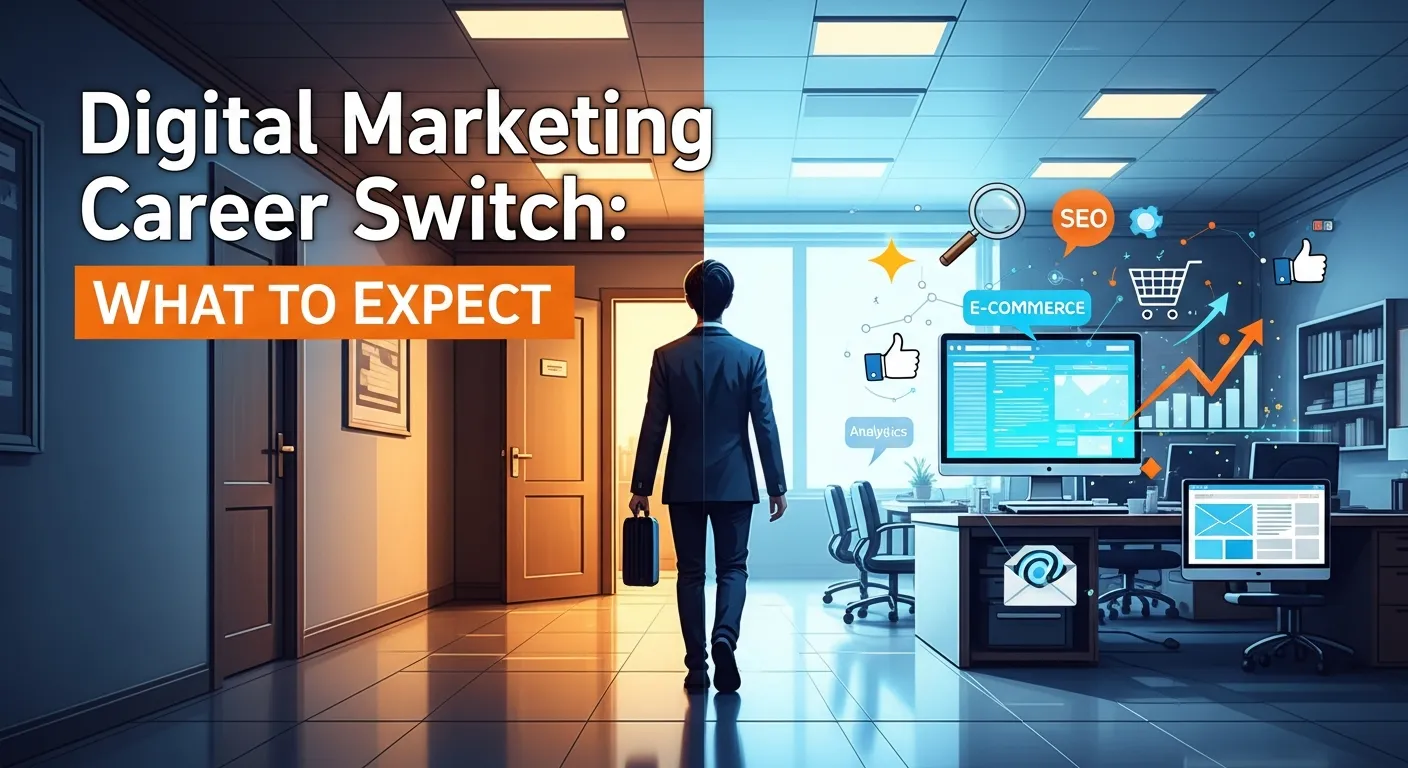
Making a digital marketing career switch from an unrelated field might feel overwhelming, but many successful marketers have followed this path. Your previous experience likely provides transferable skills—project management, communication, analytical thinking—that will serve you well.
Expect a learning curve as you familiarize yourself with marketing-specific tools and terminology. However, certifications provide the foundational knowledge you need to make this transition confidently. Many career switchers find that combining a comprehensive certification with freelance projects or internships helps bridge the gap between their old career and their new one.
Don’t underestimate the value of your previous experience. For example, someone switching from finance might excel at marketing analytics, while a former teacher might have a natural advantage in content creation and communication.
Wrapping Up: Your Next Steps
The right Digital Marketing Certification can be a powerful catalyst for your career, whether you’re just starting out, making a transition, or advancing in your current role. Google’s Digital Marketing & E-Commerce Certification offers comprehensive training for beginners, HubSpot provides excellent free specialized courses, and DMI delivers globally recognized credentials for those seeking in-depth education.
Your choice should align with your current skill level, career aspirations, budget, and learning style. Remember that the certificate itself is valuable, but the real power comes from applying what you learn and continuously building on that foundation.
Start by researching the certifications that interest you most. Read reviews from past students, examine the curriculum in detail, and consider how each program fits into your larger career plan. Many offer free trial periods or sample lessons—take advantage of these to ensure the teaching style resonates with you.
The digital marketing landscape continues to expand, creating opportunities for skilled professionals willing to invest in their education. Your certification journey starts with a single step. Choose a program, commit to the process, and prepare to open new doors in your career.
Frequently Asked Questions
1. How long does it take to complete a Digital Marketing Certification?
The duration varies significantly depending on the program. Some certifications can be completed in 3-5 hours, while comprehensive programs may take 6-12 months. Your pace also matters—studying full-time versus part-time will affect completion time.
2. Are free digital marketing certifications worth it?
Absolutely. Free certifications from reputable organizations like Google, HubSpot, and Meta hold genuine value. Employers recognize these credentials, and they provide quality education that can directly impact your career prospects.
3. Can I get a job with just a Digital Marketing Certification?
A certification alone typically isn’t enough—employers also look for practical experience. However, certifications paired with portfolio projects, internships, or freelance work significantly improve your job prospects and demonstrate your capabilities.
4. Do I need a degree to pursue digital marketing certifications?
No. Most digital marketing certifications don’t require a degree. They’re designed to be accessible to anyone interested in learning, regardless of educational background. This makes them ideal for career changers and self-taught professionals.
5. Which certification is best for beginners?
Google’s Digital Marketing & E-Commerce Certification and HubSpot’s free courses are excellent starting points for beginners. They provide comprehensive overviews without assuming prior knowledge, making them accessible yet thorough.
6. How much does a Digital Marketing Certification cost?
Costs range from free (HubSpot, Google Analytics IQ) to several thousand dollars for comprehensive programs like those offered by DMI. Mid-range options typically cost $200-$500. Consider your budget alongside the certification’s scope and recognition.
7. Is a digital marketing e commerce certification different from general digital marketing certifications?
Yes. A digital marketing e commerce certification focuses specifically on online retail strategies, including product listings, shopping campaigns, conversion optimization for e-commerce sites, and platform-specific tactics. General certifications cover broader marketing principles.
8. How do I know if a certification is recognized by employers?
Research certifications that appear frequently in job postings within your target industry. Check reviews from past students about their job search experiences, and verify that the issuing organization has industry credibility.
9. Can I complete certifications while working full-time?
Most certifications are designed with flexibility in mind, allowing you to study at your own pace. Many professionals successfully complete certifications while working full-time by dedicating evenings and weekends to coursework.
10. What’s the difference between a certificate and a certification?
A certificate typically indicates course completion, while certification often requires passing an exam and may need periodic renewal. Certifications generally carry more weight because they verify competency through testing.
11. Should I get multiple certifications or specialize in one area?
Start with a foundational certification covering broad concepts, then specialize based on your interests and career goals. Multiple certifications can demonstrate versatility, but depth in a specific area often proves more valuable than breadth.
12. How often do I need to renew my Digital Marketing Certification?
Renewal requirements vary by program. Some certifications (like GAIQ) require renewal every 12-18 months, while others remain valid indefinitely. Check specific program requirements, and plan for ongoing education to stay current with industry changes.



Leave a Reply