

Digital marketing agencies help businesses grow online by managing SEO, PPC, social media, content, and more. They provide expertise, tools, and strategies to boost visibility, generate leads, and improve ROI. Choosing the right agency means checking their experience, integration of services, and communication. Agencies save time and deliver results, making them valuable for both startups and established companies.
Core Digital Marketing Agency Services
Search Engine Optimization (SEO)
SEO remains the backbone of digital visibility. Agencies conduct comprehensive keyword research, optimize your website’s technical structure, and create content strategies that help your business rank higher in search results. This includes on-page optimization, link building, and local SEO for businesses targeting specific geographic areas.
Most agencies provide monthly SEO reports showing keyword rankings, organic traffic growth, and competitive analysis. The process typically takes 3-6 months to show significant results, making it a long-term investment in your online presence.
Pay-Per-Click Advertising (PPC)
PPC campaigns deliver immediate visibility through platforms like Google Ads, Facebook Ads, and LinkedIn advertising. Agencies handle everything from keyword selection and ad creation to budget management and performance optimization. They continuously test different ad variations, adjust bidding strategies, and refine targeting to maximize your return on investment.
Professional PPC management often includes landing page optimization, conversion tracking setup, and detailed reporting on cost-per-click, conversion rates, and overall campaign profitability.
Social Media Marketing
Social media services go far beyond posting content. Agencies develop comprehensive social media strategies, create engaging content calendars, and manage community engagement across platforms like Instagram, Facebook, Twitter, and LinkedIn. Many agencies also handle social media advertising, influencer partnerships, and reputation management to build brand awareness and foster customer relationships. Read more about digital marketing that includes social media.
Many agencies also handle social media advertising, influencer partnerships, and reputation management to build brand awareness and foster customer relationships.
Content Marketing
Content marketing involves creating valuable, relevant content that attracts and engages your target audience. Agencies typically offer blog writing, video production, infographic design, and email newsletter creation. They develop content strategies aligned with your business goals and customer journey stages. For a deep dive, check our digital content marketing complete guide.
Effective content marketing also includes content distribution strategies, ensuring your content reaches the right audience through appropriate channels and timing.
Email Marketing
Email marketing remains one of the highest ROI digital marketing channels. Agencies design email campaigns, set up automated sequences, and segment your audience for personalized messaging. They handle everything from welcome series and product announcements to customer retention campaigns.
Professional email marketing includes A/B testing subject lines, analyzing open and click-through rates, and maintaining compliance with regulations like GDPR and CAN-SPAM.
Specialized Digital Marketing Services

Conversion Rate Optimization (CRO)
CRO focuses on improving your website’s ability to convert visitors into customers. Agencies analyze user behavior through heat mapping, conduct A/B tests on different page elements, and optimize checkout processes to reduce abandonment rates.
This service often includes landing page redesign, form optimization, and user experience improvements that can significantly increase your conversion rates without increasing traffic.
Marketing Automation
Marketing automation streamlines repetitive marketing tasks while delivering personalized experiences at scale. Agencies set up automated workflows for lead nurturing, customer onboarding, and retention campaigns across multiple channels.
These systems can trigger specific actions based on user behavior, such as sending targeted emails to users who abandon their shopping carts or providing special offers to repeat customers.
Analytics and Reporting
Data-driven decision making requires proper tracking and analysis. Agencies implement comprehensive analytics systems, create custom dashboards, and provide regular performance reports that show clear connections between marketing activities and business results. Explore digital marketing analytics for smarter campaigns.
Professional reporting goes beyond basic metrics to provide actionable insights about customer behavior, campaign performance, and opportunities for improvement.
How to Choose the Right Digital Marketing Agency

Evaluate Their Track Record
A strong agency track record goes beyond flashy promises—it’s rooted in measurable results and relevant experience. Start by looking for agencies that have worked with businesses in your industry and of a similar size or growth stage. An agency that understands your market dynamics, customer behavior, and competitive landscape will be better equipped to deliver meaningful outcomes.
Request detailed case studies that clearly outline the challenge, strategy, execution, and results. Pay close attention to tangible performance metrics such as organic traffic growth, improved keyword rankings, lead volume increases, cost-per-acquisition reductions, conversion rate improvements, or revenue uplift. Client testimonials and third-party reviews can further validate the agency’s credibility and reliability.
Additionally, ask about client retention rates and average engagement lengths. Agencies that maintain long-term relationships often demonstrate consistent performance, adaptability, and strong communication. Understanding their typical project timelines and how quickly they deliver measurable results can also help set realistic expectations and avoid future frustrations.
Assess Their Service Integration
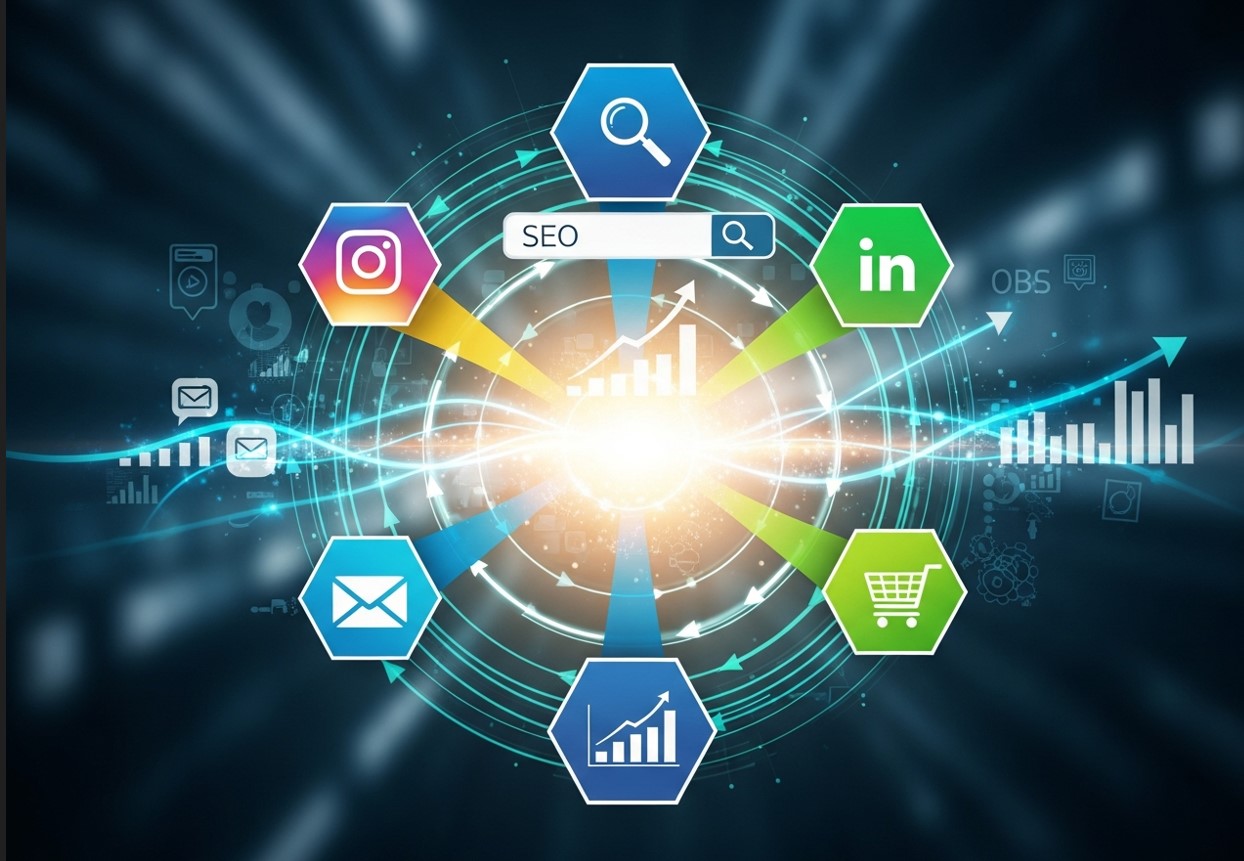
Modern digital marketing success depends on how well different channels and tactics work together. The best agencies don’t operate in silos—they offer integrated strategies where SEO, content marketing, paid advertising, social media, CRO, and analytics are aligned toward shared business goals.
Ask how their internal teams collaborate. For example, SEO insights should inform content planning, PPC keyword data should support organic strategy, and conversion optimization should enhance both paid and organic traffic performance. This level of coordination ensures efficiency and avoids duplicated efforts or conflicting messages.
You should also inquire about their approach to cross-channel attribution and performance measurement. A capable agency will be able to show how each channel contributes to conversions and revenue, helping you understand where your marketing budget delivers the highest impact. Consistent branding and messaging across platforms should be a core part of their integrated strategy.
Consider Communication and Transparency
Clear communication and transparency are critical to a successful agency partnership. A reliable agency will establish well-defined communication channels, provide regular progress updates, and share easy-to-understand reports that focus on outcomes—not just activity.
They should be able to explain their strategies, recommendations, and results in plain language, helping you make informed decisions without overwhelming you with technical jargon. Transparency around performance, challenges, and budget allocation is a sign of professionalism and trustworthiness.
Look for agencies that treat you as a strategic partner rather than just a client. The best teams actively involve you in goal setting and key decisions while confidently managing the technical execution behind the scenes. This collaborative approach ensures alignment, accountability, and long-term success.
Measuring Digital Marketing Agency Success
Key Performance Indicators (KPIs)
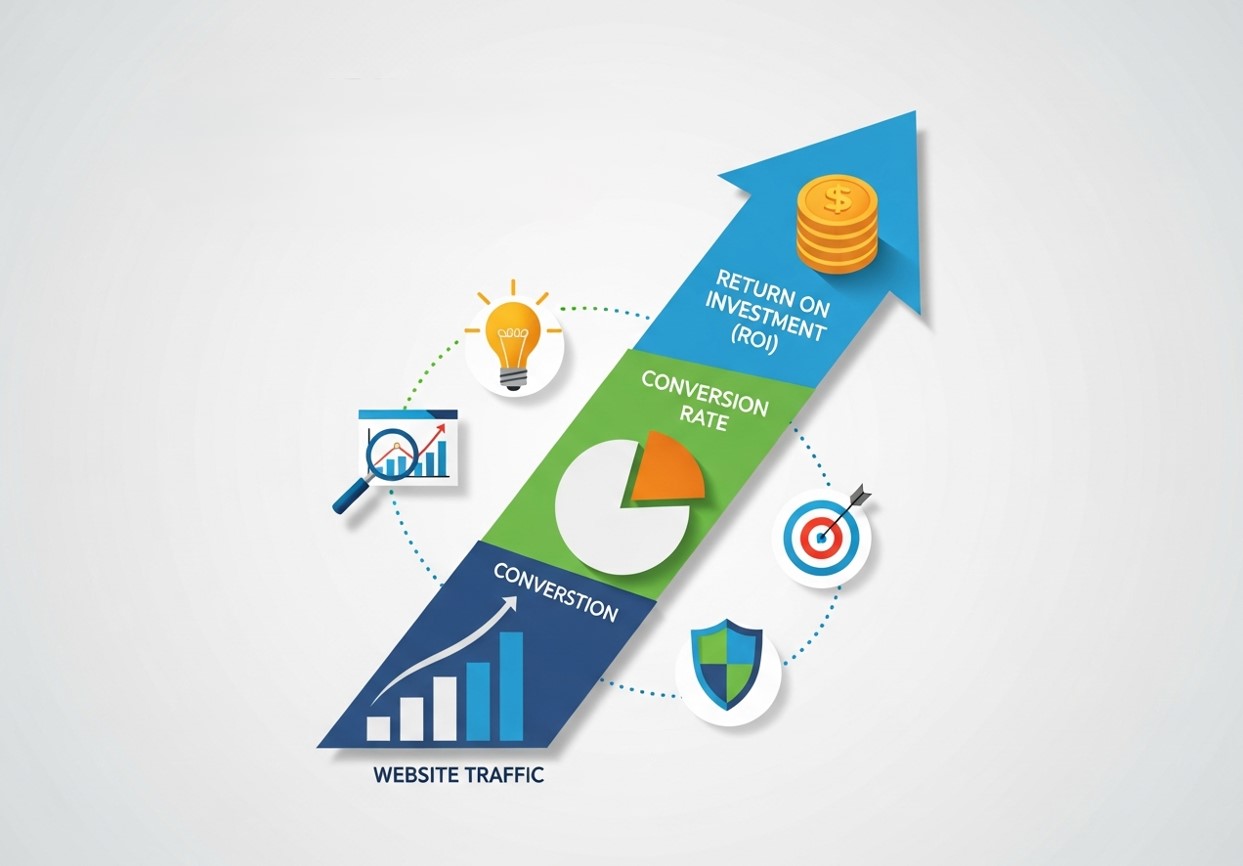
Before engaging a digital marketing agency, it’s essential to define clear and measurable Key Performance Indicators (KPIs) that align with your business goals. KPIs serve as benchmarks to track progress, assess campaign effectiveness, and ensure that the agency’s efforts are delivering tangible results. Common KPIs include website traffic growth, lead generation, conversion rates, email engagement, social media reach, and revenue attribution. For example, if your goal is to increase online sales, tracking the number of conversions, average order value, and cart abandonment rate would be critical KPIs.
It’s important to recognize that different marketing services require different measurement timelines. Paid campaigns such as PPC or paid social media ads can show near-immediate results, often within days or weeks, allowing for rapid optimization. SEO, on the other hand, is a long-term investment. Improvements in organic search rankings, website authority, and traffic quality may take several months to become evident. Similarly, content marketing campaigns may require even longer timelines to show results, as they build trust, authority, and engagement over time.
Agencies should not only report raw numbers but also provide insights into what the data means for your business. For instance, an increase in traffic is valuable only if it brings relevant, engaged visitors likely to convert. Tracking KPIs over time, along with trend analysis and comparisons to past performance, allows your business to understand the impact of marketing efforts and adjust strategies proactively.
Return on Investment (ROI)
Calculating marketing ROI is crucial for understanding the financial effectiveness of working with a digital marketing agency. ROI measures how much revenue is generated relative to the cost of the agency’s services, allowing businesses to determine whether their investment is producing profitable results. To calculate ROI, consider both direct and indirect contributions to revenue. For example, direct sales from PPC campaigns can be tracked easily, while brand awareness initiatives, content marketing, or social media campaigns may influence customer decisions over a longer period and indirectly increase lifetime value.
A comprehensive approach to ROI also takes into account customer lifetime value (CLV or LTV). Customers acquired through agency-led campaigns may generate repeat purchases, cross-sells, or referrals over time. Factoring in this extended revenue ensures a more accurate evaluation of the agency’s impact.
It’s important to remember that not all benefits of digital marketing are immediately quantifiable. Increased brand awareness, improved customer loyalty, enhanced online reputation, and stronger market positioning may not show up directly in revenue numbers but significantly contribute to long-term business success. Agencies that provide detailed reporting, including both quantitative metrics and qualitative insights, help you understand the broader value of your marketing investment and make data-driven decisions for future campaigns.
Making Digital Marketing Work for Your Business
Start with Clear Objectives
Before engaging any agency, define your specific business goals, target audience, and budget constraints. This clarity helps agencies recommend the most appropriate service mix and set realistic expectations for results.
Consider both short-term needs (like immediate lead generation) and long-term objectives (such as brand building and market expansion).
Plan for Ongoing Partnership
Digital marketing requires consistent effort and continuous optimization. The most successful client-agency relationships develop over time as agencies learn more about your business and market dynamics.
Budget for ongoing services rather than one-time projects to maximize your marketing investment’s effectiveness.
Digital marketing agency services offer businesses access to specialized expertise and proven strategies that can accelerate growth and improve online visibility. From foundational services like SEO and PPC to advanced offerings like marketing automation and conversion optimization, these agencies provide comprehensive solutions for modern marketing challenges.
Success depends on choosing the right agency partner, setting clear expectations, and maintaining open communication throughout your relationship. Take time to evaluate potential agencies thoroughly, focusing on their experience, service integration capabilities, and alignment with your business goals.
Ready to explore how digital marketing agency services can transform your business? Start by auditing your current marketing efforts, identifying gaps, and researching agencies with proven track records in your industry. The right partnership can unlock new growth opportunities and help you achieve your business objectives more efficiently than going it alone.
Frequently Asked Questions (FAQs)
What types of businesses can benefit from a digital marketing agency?
Digital marketing agencies work with businesses of all sizes and industries. Startups often leverage agencies to establish an online presence, while established companies may use them to scale campaigns, enter new markets, or implement advanced strategies like marketing automation and predictive analytics.
How do I know if my business needs a digital marketing agency?
If marketing is consuming too much internal time, your campaigns are underperforming, or you lack the in-house expertise to run specialized campaigns like SEO, PPC, or marketing automation, partnering with an agency can help. Agencies can also provide objective insights and data-driven strategies that internal teams may overlook.
Will a digital marketing agency handle all my marketing channels?
Most agencies offer a full suite of services, but the scope depends on the agency and your needs. Some agencies specialize in certain channels, such as SEO or social media, while others provide end-to-end strategies covering all aspects of digital marketing.
How do agencies measure success?
Agencies track key performance indicators (KPIs) aligned with your business goals, such as website traffic, lead generation, conversion rates, return on ad spend, and customer retention. They typically provide regular reports and insights to demonstrate campaign effectiveness.
Is working with an agency cost-effective compared to hiring in-house?
Agencies often provide access to a team of specialists and advanced tools without the overhead of hiring multiple full-time employees. While the cost varies, the combination of expertise, technology, and time savings often results in higher ROI than building an in-house team from scratch.
How long does it take to see results?
The timeline depends on the services being provided. Paid campaigns like PPC can deliver immediate results, whereas SEO and content marketing typically require 3–6 months to show significant outcomes. Agencies help set realistic expectations based on the strategy and industry.
Can agencies help with brand strategy and messaging?
Yes, many agencies provide strategic consulting in addition to tactical execution. This includes developing brand messaging, positioning, and audience targeting strategies to ensure your marketing aligns with your overall business objectives.



Leave a Reply