

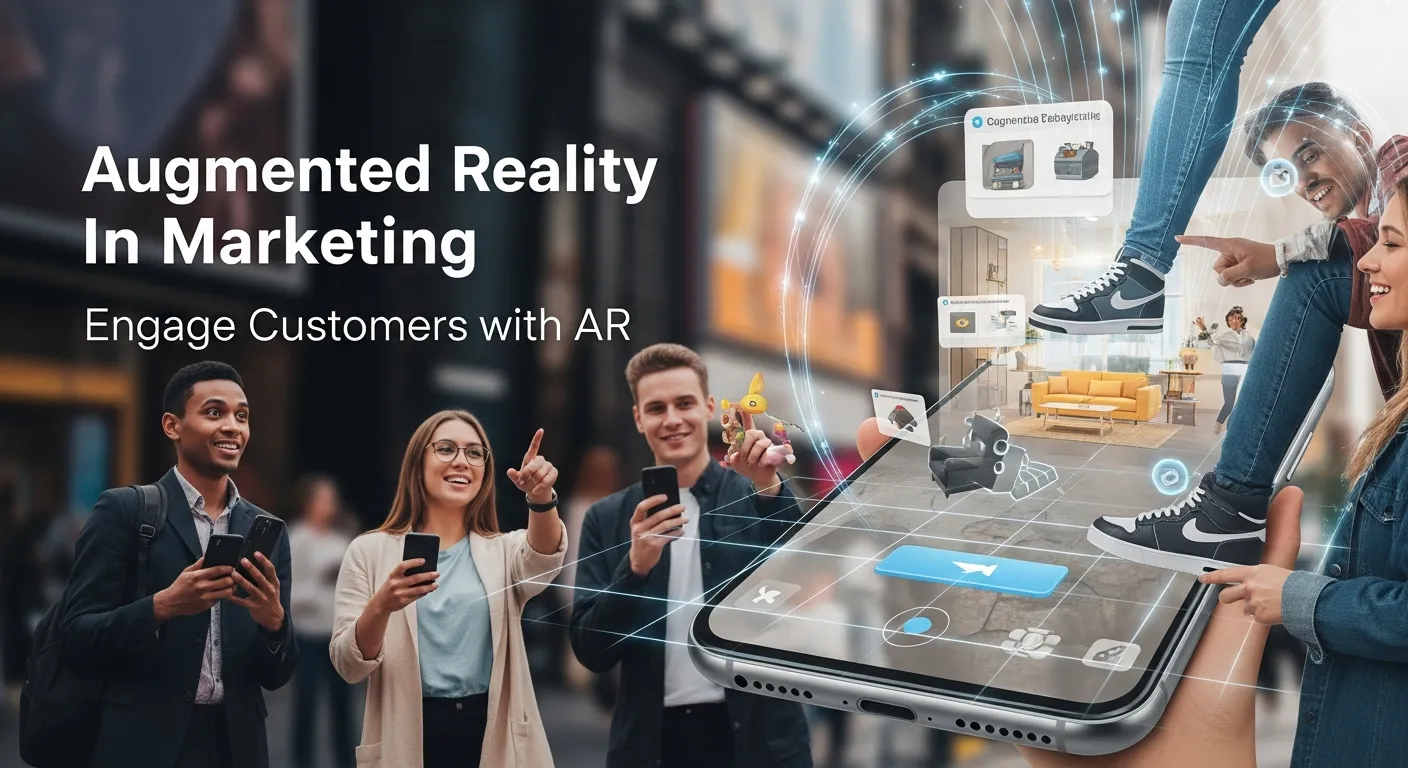
Augmented Reality in marketing is a powerful digital strategy that overlays interactive digital elements—such as 3D models, animations, or product demos—onto the real world through smartphones, tablets, or AR-enabled devices. It enhances customer engagement by blending physical and digital experiences.
Augmented Reality (AR) has moved beyond gaming and photo filters to become one of the most powerful tools in a marketer’s toolkit. By overlaying digital elements onto the real world, AR experiences can capture attention, educate users, and spur action in ways that traditional ads simply cannot. In this comprehensive guide, you’ll learn what AR in digital marketing really means, why it matters, and how to implement it for maximum impact.
What Is Augmented Reality in Digital Marketing?
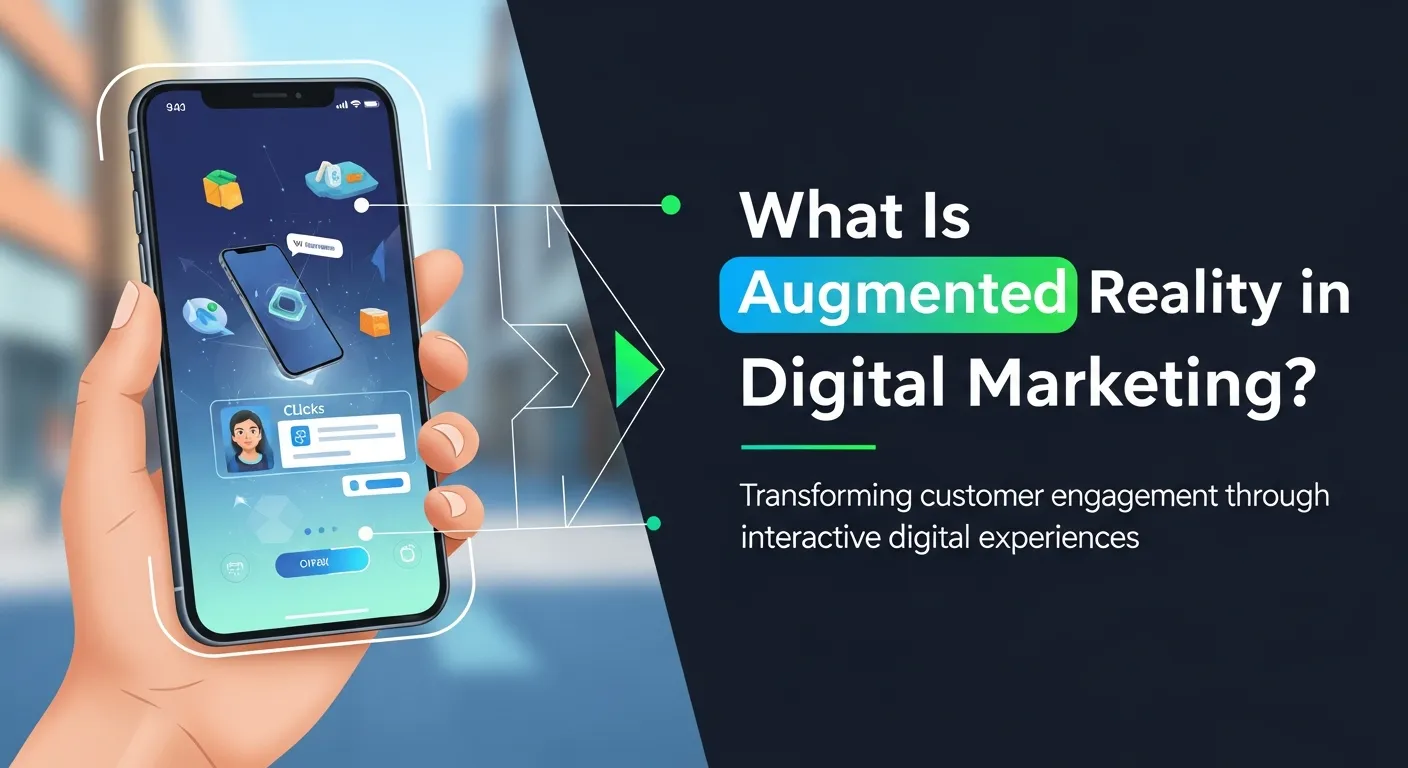
At its core, augmented reality blends virtual objects with a live camera feed or real-world view. Unlike virtual reality (VR), which creates a completely immersive digital environment, AR enhances what you already see. For digital marketers, this means overlaying product demos, interactive content, and personalized calls-to-action directly onto a user’s mobile screen or desktop camera feed.
Key Components of AR Marketing Solutions
- AR Software & SDKs: Tools like Apple’s ARKit, Google’s ARCore, and third-party platforms (Vuforia, 8th Wall) that power marker-based and markerless AR experiences.
- 3D Models & Animations: Rich media assets that give users lifelike virtual objects to interact with.
- WebAR vs. App-Based AR: WebAR runs in the browser—no download required. App-based AR offers deeper integrations but demands a native install.
Why AR Matters for Digital Marketing
With consumers bombarded by banner ads, social posts, and pop-ups, AR cuts through the noise. Here’s why it deserves a spot in your strategy:
- Higher Engagement: Interactive 3D demos and gaming elements increase dwell time by up to 70% versus static ads.
- Stronger Brand Recall: Memorable AR experiences drive a 65% boost in brand awareness metrics.
- Educated Buyers: Virtual try-ons and how-to overlays reduce purchase hesitation by bridging the gap between curiosity and conversion.
- Social Amplification: Users love sharing AR filters and product demos on Instagram, TikTok, and Snapchat, giving you earned media reach.
To explore how AR fits into broader strategies, see Mastering Your Digital Marketing Strategy.
Types of Augmented Reality in Marketing Experiences
Not all Augmented Reality in Marketing strategies are the same. Businesses should select the right AR format based on campaign objectives, audience behavior, and platform usage.
1. Try-Before-You-Buy Augmented Reality in Marketing
This type of Augmented Reality in Marketing allows customers to virtually test products before purchasing. From makeup try-ons to furniture placement and eyewear previews, it helps consumers visualize products in real environments, increasing purchase confidence and reducing returns.
2. Interactive Packaging with Augmented Reality in Marketing
Augmented Reality in Marketing transforms physical packaging into a digital engagement channel. By scanning a cereal box or product label, customers can unlock recipes, games, tutorials, or loyalty rewards—bridging offline and online brand experiences.
3. Location-Based Augmented Reality in Marketing
Location-based Augmented Reality in Marketing uses geotargeting to trigger immersive experiences at stores, malls, events, or tourist spots. Brands can deliver personalized promotions, virtual guides, or exclusive AR offers when users enter specific locations.
4. Social Media Augmented Reality in Marketing
Platforms like Snapchat and Instagram support filters and lenses powered by Augmented Reality in Marketing. These interactive campaigns boost user-generated content (UGC), brand awareness, and organic reach.
5. Gamified Augmented Reality in Marketing Campaigns
Gamified Augmented Reality in Marketing includes treasure hunts, quizzes, and AR-powered mini-games that reward users with coupons or exclusive content. This approach increases engagement and strengthens customer interaction with the brand.
How to Implement AR in Your Digital Marketing Strategy
Follow these steps to launch an AR campaign that delivers real ROI:
Define Your Objectives
Are you driving brand awareness, product trials, or direct sales? Precise goals guide your choice of AR format, channels, and success metrics.
Know Your Audience
AR resonates with younger demographics and tech-savvy shoppers. Use audience research to determine device preferences (iOS vs. Android), social networks, and content styles.
Select Technology Partners
Choose a platform that balances ease of use, cost, and feature set. WebAR vendors minimize friction but may limit advanced tracking. Native SDKs unlock premium effects at the expense of requiring app installs.
Develop Your Creative Assets
Collaborate with 3D artists, animators, and UX designers to ensure your AR content is intuitive, visually appealing, and aligned with brand guidelines.
Launch & Promote
Use social media ads, email newsletters, and in-store signage to drive users to your AR experience. Include clear CTAs like “Scan Here” or “Try Now.”
Measure & Optimize
Key metrics include scan rate, dwell time, social shares, and conversion lift. A/B test different triggers, messaging, and asset styles to refine performance.
For guidance on creating campaigns, see Build Digital Marketing Campaign That Works.
Best Practices for AR-Driven Marketing
- Keep It Simple: Overly complex interactions frustrate users. Aim for one or two clear actions (rotate, resize, share).
- Align With User Intent: Deploy AR where it adds genuine value—try-ons for apparel, tutorials for DIY, virtual tours for real estate.
- Promote Social Sharing: Embed share buttons and branded frames to turn users into ambassadors.
- Welcoming Onboarding: Guide first-time users with tooltips or overlays. Make camera permissions and scanning steps clear.
- Cross-Channel Integration: Link your AR campaign to email, SMS, paid ads, and in-store QR codes for a unified experience.
Real-World Case Studies
IKEA Place: Their mobile app lets shoppers place life-sized 3D furniture in any room, reducing return rates by 35% and increasing average order value by 25%.
Sephora Virtual Artist: An AR try-on tool that boosted online makeup sales by 15% and drove a 50% increase in social shares of user makeovers.
Pepsi Max Bus Shelter: A viral stunt that turned a London bus stop into an AR sci-fi scene, generating 5 million YouTube views and massive press coverage.
Challenges & Solutions
AR can be technically demanding and costly. Common hurdles include:
- Fragmented Devices: Some older phones lack AR support. Solution: Offer fallback experiences or prompt users to update their OS.
- High Production Costs: Quality 3D assets require skilled artists. Solution: Start small with simple assets or use template-based AR platforms.
- User Privacy Concerns: Camera access can feel intrusive. Solution: Clearly explain why permissions are needed and ensure secure data handling.
The Future of AR in Digital Marketing
AR adoption continues to accelerate as hardware improves and consumer comfort grows. Watch for:
- 5G-Powered Experiences: Faster data speeds will enable richer, multi-user AR scenarios in real time.
- Wearables Integration: Smart glasses will bring hands-free AR to everyday shopping and navigation.
- AI-Driven Personalization: Machine learning will tailor AR content based on past behavior, context, and preferences.
- Seamless Commerce: In-AR checkout flows will let users purchase products without leaving the experience.
Integrating Augmented Reality With Omnichannel Marketing

Augmented Reality in omnichannel marketing works best when connected across multiple touchpoints instead of running as a standalone tactic.
-
AR + Email Marketing: Add “Scan to Try” or WebAR links inside emails to boost engagement.
-
AR + Social Media: Use AR filters on platforms like Instagram and Snapchat to increase reach and user-generated content.
-
AR + In-Store Marketing: QR codes and displays can trigger AR product demos or tutorials.
-
AR + eCommerce: Virtual try-ons and 3D previews improve purchase confidence.
-
AR + Geofencing: Location-based AR delivers personalized, real-time offers.
When integrated properly, AR marketing creates a seamless customer journey, strengthens brand recall, and increases conversions across all channels.
Measuring the ROI of AR Campaigns
Tracking the impact of AR campaigns is crucial for proving value and refining future efforts. Unlike traditional marketing metrics, AR provides unique engagement data that can reveal user behavior in real time. Marketers should track metrics such as:
-
Interaction Rate: How often users engage with AR objects, try-ons, or filters.
-
Dwell Time: The amount of time spent interacting with AR content, which can indicate deeper engagement.
-
Social Shares: User-generated content amplification through platforms like Instagram, TikTok, or Snapchat.
-
Conversion Lift: Sales or sign-ups directly influenced by AR interactions.
-
Return Visits: Frequency of users returning to AR experiences, signaling ongoing interest.
Beyond numbers, qualitative insights—like user feedback and behavior patterns—offer a deeper understanding of how AR is shaping customer perception. When combined, these insights help justify investment in AR technology and guide future campaign strategies.
AR Marketing Trends to Watch
The AR landscape evolves rapidly, and staying ahead requires attention to emerging trends:
-
AI-Enhanced AR: Machine learning algorithms will allow AR experiences to adapt in real time based on user behavior, creating hyper-personalized interactions.
-
Shoppable AR: Consumers will increasingly expect to make purchases directly from AR experiences without leaving the platform.
-
Collaborative AR Experiences: Multi-user AR features will enable shared experiences for virtual events, games, and social interactions.
-
Sustainability and AR Storytelling: Brands are using AR to demonstrate eco-friendly practices, such as visualizing the environmental impact of their products.
-
Immersive Live Events: AR will extend into hybrid events, letting online attendees experience immersive elements in real time alongside in-person participants.
Staying ahead of these trends ensures that AR campaigns remain fresh, relevant, and highly engaging, giving brands a competitive edge.
Common Mistakes to Avoid in AR Marketing
Even the best-intentioned AR campaigns can fail if key pitfalls are overlooked:
-
Overcomplicating the Experience: Too many interactive elements can overwhelm users. Keep interactions simple and intuitive.
-
Ignoring Device Limitations: Not all devices support advanced AR features. Always provide fallback experiences.
-
Neglecting Onboarding: Users unfamiliar with AR may abandon experiences if instructions aren’t clear.
-
Failing to Align With Marketing Goals: Every AR campaign should have a measurable objective, whether it’s engagement, lead generation, or conversion.
-
Underestimating Promotion Needs: AR won’t succeed if users don’t know it exists. Effective promotion across social, email, and offline channels is essential.
By avoiding these mistakes, marketers can ensure AR campaigns deliver both engagement and tangible business results.
AR and Customer Experience (CX) Transformation
Augmented reality is reshaping how brands interact with their customers by enhancing the overall customer experience (CX). Traditional marketing often relies on passive content, but AR introduces interactivity that makes every touchpoint memorable.
For example, AR allows customers to visualize products in their own environment before purchase, creating confidence in their buying decisions. In industries like real estate, AR-powered virtual tours let potential buyers explore properties remotely, saving time and resources. By integrating AR with CRM systems, brands can personalize experiences even further—recommending products or offering promotions based on user interactions within the AR environment.
Small businesses can apply these strategies using E-Commerce Marketing Solutions for Growth.
How AR Supports Storytelling in Marketing
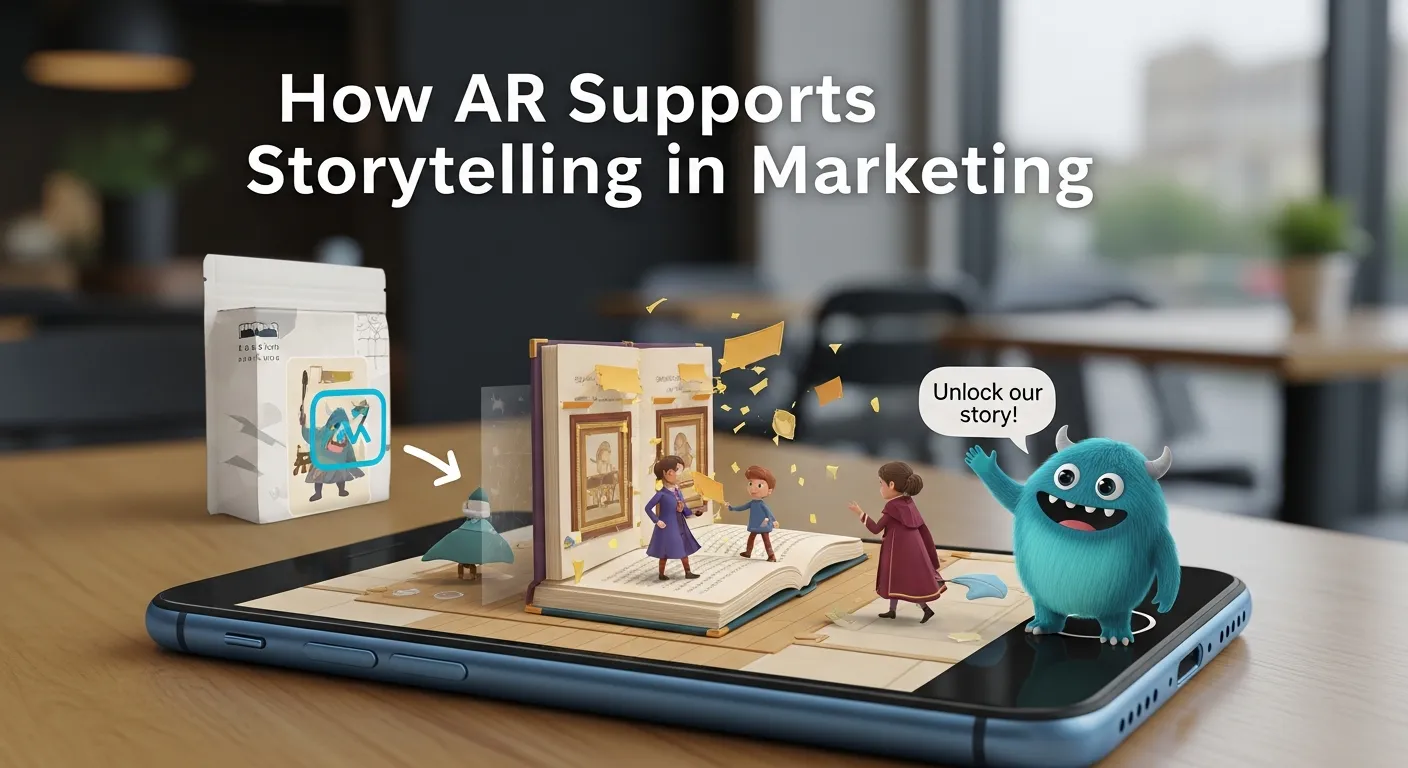
Storytelling has always been a cornerstone of effective marketing, and AR adds a whole new dimension. Instead of simply reading about a product or watching a video, consumers can interact with a story in real time.
For instance, a brand could create an AR experience where users explore the journey of a product—from raw materials to finished goods—by scanning a QR code on the packaging. Gamified AR storytelling can immerse users in challenges or narrative-driven campaigns, encouraging repeat engagement.
By leveraging AR for storytelling, brands create emotional connections with audiences, making messages more memorable and increasing the likelihood of conversion. This experiential form of marketing bridges the gap between awareness and action, turning passive viewers into active participants.
For more insights, see Digital Marketing Content Strategy: Your Complete Guide.
Conclusion
As attention spans shrink and competition for eyeballs intensifies, augmented reality offers a fresh way to tell your brand’s story, showcase products, and forge deeper connections. By starting with clear objectives, choosing the right format, and leveraging best practices, you can harness AR to drive engagement, boost conversions, and leave a lasting impression. The future of digital marketing is layered—make sure you’re part of it.
Ready to launch your first AR campaign? Partner with a technology provider, pilot a simple try-before-you-buy use case, and measure your results. The only limit is your imagination.
Frequently Asked Questions (FAQ) – Augmented Reality in Marketing
1. What is the difference between Augmented Reality in Marketing and Virtual Reality?
Augmented Reality in Marketing overlays digital elements onto the real world, enhancing what users see through their devices. In contrast, Virtual Reality creates a fully immersive, digital-only environment. For brands, Augmented Reality in Marketing is more accessible and easier to integrate into everyday consumer experiences.
2. Do users need to download an app for Augmented Reality in Marketing?
Not always. WebAR in Augmented Reality in Marketing allows users to access AR experiences directly through a browser without downloading an app. However, app-based AR can provide more advanced features but requires installation.
3. Which industries benefit most from Augmented Reality in Marketing?
Augmented Reality in Marketing is highly effective in retail, beauty, real estate, automotive, education, and entertainment. Virtual try-ons, interactive packaging, and AR-powered virtual tours are especially impactful.
4. How much does Augmented Reality in Marketing cost?
The cost of Augmented Reality in Marketing depends on complexity, platform choice, and 3D asset quality. Simple WebAR campaigns are budget-friendly, while custom AR applications with advanced features require larger investments.
5. How can brands encourage sharing in Augmented Reality in Marketing campaigns?
To maximize reach, Augmented Reality in Marketing campaigns should include share buttons, branded frames, gamification, and social incentives like contests or exclusive rewards.
6. Is Augmented Reality in Marketing suitable for small businesses?
Yes. Small businesses can implement Augmented Reality in Marketing using template-based platforms or affordable WebAR tools. Even simple AR product demos can significantly boost engagement and conversions.



Leave a Reply