


This blog explains what is digital marketing and why it is essential for businesses of all sizes. It covers key strategies like SEO, social media, content, email, and analytics to boost visibility, engagement, and conversions. By understanding digital marketing, businesses can reach their audience effectively and drive measurable growth online.
What Is Digital Marketing, and Why Does It Matter?

Digital marketing boils down to aiming to connect businesses with their target audience through the internet and digital channels. Digital marketing is a lot more measurable and trackable than most traditional marketing, like billboards or flyers, and it gets in front of the right audience more efficiently. If you’re a local business, an e-commerce store, or even a multinational company, digital marketing services drive your brand visibility, lead generation, and sales.
The digital world is ever-changing , and those who keep pace focus on a web presence. Why? Well, because that’s where the consumers are — most of them, anyway. Research suggests that an average of 97 percent of people conduct an online search for businesses before deciding to make a purchase. Whether it’s social media, search engines, or email campaigns, being able to meet your audience where they are can go a long way.
What Is SEO? (Search Engine Optimization)
SEO, or Search Engine Optimization, is a fundamental pillar of digital marketing that focuses on increasing your website’s visibility in search engine results pages (SERPs) like Google, Bing, or Yahoo. The goal of SEO is simple: make your website more discoverable to potential customers when they search for products, services, or information related to your business. Unlike paid advertising, SEO drives organic traffic, which is often more sustainable, cost-effective, and highly targeted. For a deeper dive, check out our SEO guide for digital marketing.
A strong SEO strategy not only improves your search rankings but also enhances the user experience, builds credibility, and increases engagement, all of which contribute to higher conversions and long-term growth.
Keyword Research
Keyword research is the foundation of every SEO strategy. It involves identifying the exact words and phrases your target audience uses when searching online. Tools such as Google Keyword Planner, SEMrush, or Ahrefs help uncover high-volume keywords, low-competition phrases, and long-tail search queries that are highly relevant to your business.
For instance, if you provide digital marketing services, potential keywords could include “SEO services for small businesses,” “affordable digital marketing agency,” or “best online marketing strategies.” By understanding these search patterns, you can create content that directly aligns with user intent, ensuring your website attracts the right visitors who are most likely to convert.
Effective keyword research also helps in planning content calendars, optimizing landing pages, and identifying opportunities for blog posts or resource pages that target specific customer queries.
On-Page Optimization
On-page optimization refers to all the elements you can control on your website to improve search rankings and user experience. For practical tips, see what is SEO digital marketing guide. It involves optimizing titles, meta descriptions, headers, images, URLs, and internal links so search engines can easily understand your content.
Key on-page SEO practices include:
- Using keywords naturally in headers (H1s, H2s) and throughout content to signal relevance to search engines.
- Optimizing meta descriptions and title tags so they are compelling and encourage clicks from search results.
- Making your website mobile-friendly and fast-loading, as site speed and mobile responsiveness are key ranking factors.
- Using descriptive alt text for images to improve accessibility and help search engines index your media content.
- Creating a logical URL structure and internal linking system, which guides both users and search engines through your website efficiently.
On-page SEO is not only about ranking higher but also about creating a positive experience for your visitors, which can increase engagement, time on site, and conversions.
Link Building
Link building is one of the most critical off-page SEO strategies. It involves acquiring backlinks — links from other websites that point to your content. High-quality backlinks signal to search engines that your website is credible, authoritative, and trustworthy.
To build effective backlinks:
- Produce valuable, shareable content that others naturally want to reference, such as detailed guides, infographics, or research studies.
- Reach out to industry websites, blogs, and influencers to collaborate on guest posts or mentions.
- Leverage local citations, business directories, and relevant forums to strengthen your website’s authority in niche areas.
Backlinks not only improve search engine rankings but also drive referral traffic from authoritative sources, expand your audience reach, and reinforce your brand’s reputation in your industry.
Social Media Marketing: Platform Power
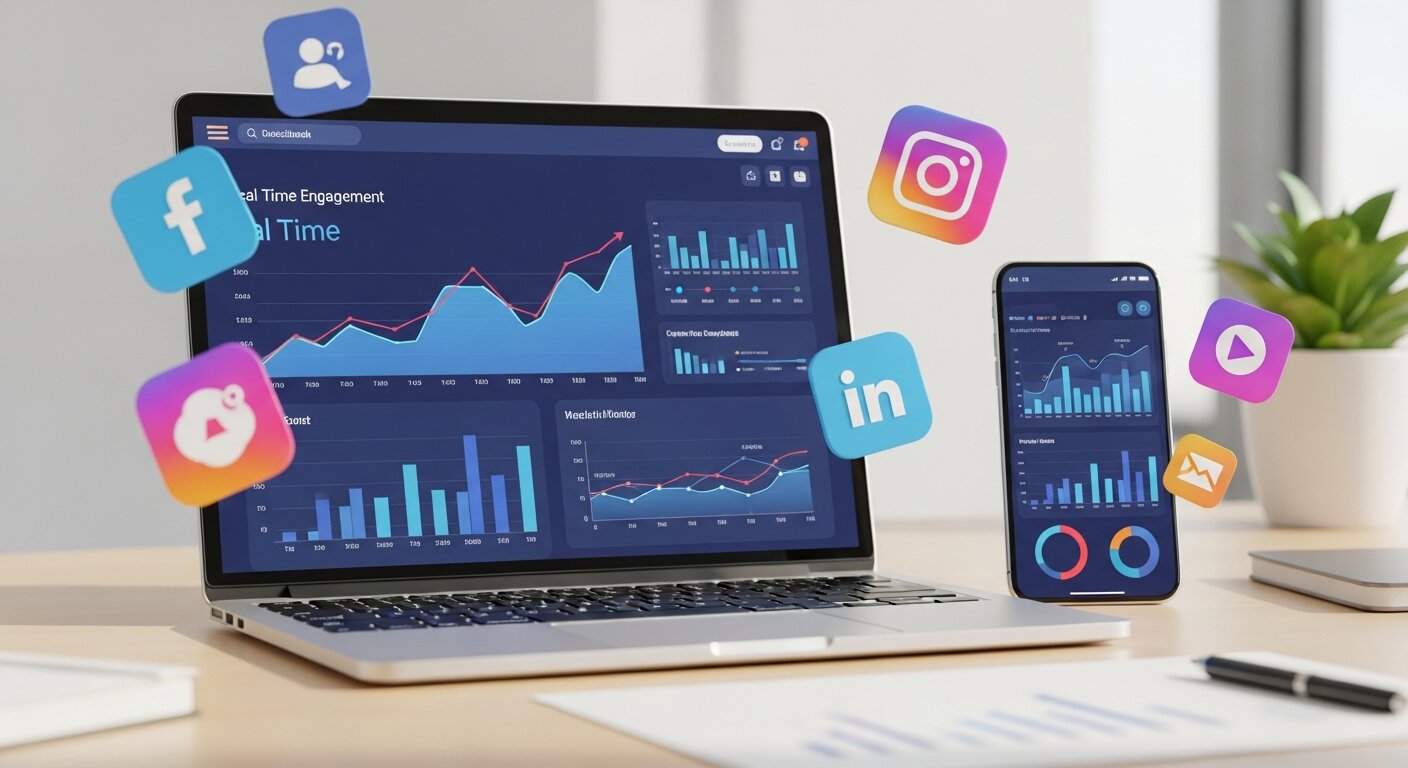
Social media is no longer just a place to catch up with friends—it has become an essential channel for businesses looking to build meaningful relationships with their audience. Social media marketing allows brands to engage directly with customers, amplify their content, and drive traffic, leads, and conversions. Platforms such as Facebook, Instagram, and Twitter each offer unique opportunities for businesses to connect with audiences in ways that are measurable and impactful.
Facebook remains one of the most versatile platforms for digital marketing. Businesses can leverage Facebook Pages to showcase products, share updates, and cultivate a loyal community. The platform’s advanced advertising options allow precise targeting based on demographics, interests, location, and behavior, helping brands reach the most relevant audience efficiently.
Engaging with followers in comments, hosting live sessions, or creating groups helps foster a sense of community and brand loyalty. Additionally, Facebook Ads combined with retargeting strategies enable businesses to re-engage users who have interacted with their content, increasing the likelihood of conversions. With billions of active users, Facebook remains a cornerstone for businesses wanting both visibility and engagement in their social media strategy.
Instagram is particularly effective for businesses that rely on visual appeal, such as fashion, food, lifestyle, health, and travel brands. The platform’s focus on images, videos, and Stories allows brands to communicate their message creatively and authentically.
Features like Instagram Stories, Reels, and Shopping provide interactive ways to engage with followers and drive traffic to your website or product pages. Collaborating with influencers or micro-influencers can also expand reach to highly engaged audiences in your niche. By consistently sharing high-quality visuals and authentic content, brands can strengthen their identity, increase follower loyalty, and encourage user-generated content that further amplifies reach.
Twitter excels in delivering real-time updates, news, and insights. Businesses can use the platform to interact with their audience through polls, retweets, trending hashtags, and replies. Quick, responsive engagement positions your brand as approachable, reliable, and customer-focused, which builds trust and credibility.
Twitter is also a platform for thought leadership, allowing businesses to share industry insights, updates, and content that positions them as experts in their field. For brands, monitoring mentions, participating in relevant conversations, and leveraging Twitter analytics can provide valuable insights into audience interests and campaign performance.
Content Marketing: The Core of Your Digital Marketing
“Content is king,” they say, and they’re not wrong. Your audience won’t interact with your brand if they’re not getting useful and interesting content. Content marketing is about the creation and distribution of valuable, relevant content that speaks to your target audience. Explore our digital content marketing complete guide for more strategies.
Blog Posts
Blogging about things that matter to your audience will drive organic search traffic. For instance, if you’re in the digital marketing space, you can write about “5 SEO trends to follow this year.”
Videos
Video content is exploding, and platforms like YouTube and TikTok offer unprecedented reach. Tutorials, behind-the-scenes treatments, and instructional videos are particularly popular.
E-books and Whitepapers
For those in competitive industries, long-form content such as e-books can help you establish yourself as an expert. And they’re fantastic for lead gen when you gate them behind a form.
Email Marketing: How to Develop a Relationship with Your Audience

A lot of people believe email marketing is a thing of the past, but the fact is it is still most of the effective ways to reach an audience. Properly timed email with a strong CTA (Call to Action) can directly impact your conversion rates.
Build Your List
Create an opt-in list of people who are already interested in your product or your digital marketing services to get the biggest bang for your buck. Your website’s subscribe forms or lead magnets on specific landing pages – offering exclusive giveaways or downloadable resources – can help build this list.
Segment Your Audience
All customers are in the same cycle of buying. Divide your email lists into sub-groups, including prospects, first-time purchasers, and loyal buyers. Customize your messages to these groups to increase open and click rates.
Automate Your Campaigns
Email automation software such as Mailchimp or HubSpot simplifies outreach campaigns. For instance, you can create welcome sequences, abandoned cart reminders, or deals.
Analytics and Reporting: Measuring the Success
All the best digital marketing campaigns are meaningless if they’re not measurable. Role of analytical platforms: Analytics platforms help businesses to monitor performance and identify weak points.
Google Analytics
Google Analytics provides valuable information about your site’s traffic, users, and behavior. For example, you can see what blog posts create the most traffic and focus future content there.
Social Media Insights
Many platforms offer their analytics. Use these in conjunction to get a sense of which posts have the best engagement, whether your ad campaigns increase conversions, and more.
Conversion Rates
Through linking KPIs with organizational objectives, you can even measure ROI. Platforms such as Kissmetrics or Mix panel offer more than just average reports, allowing you to get a better understanding of user behavior.
Getting Ready for the Future of Digital Marketing

The digital marketing landscape is not a stationary area; it changes considerably. New and potential trends like voice search optimization, the metaverse, and artificial intelligence are going to keep impacting are businesses communicate with their audience.
To excel in this competitive environment, make sure your business has a strong digital marketing plan in place. Need help getting started? Our professionals are experts in the latest digital marketing techniques to ensure that businesses survive, grow, and thrive online. Contact us today for a free consultation and get on your path to success.
Need inspiration for your next campaign? Check out these 10 effective marketing ideas to attract more customers, covering practical tips for both online and offline strategies.”
Frequently Asked Questions (FAQ)
What is Digital Marketing?
What is digital marketing? Digital marketing refers to promoting products, services, or brands using online channels such as search engines, social media, email, websites, and digital advertising. It allows businesses to reach targeted audiences, track performance, and optimize campaigns based on real data, making marketing more effective and measurable than traditional methods.
Why is understanding what is digital marketing important for businesses?
Understanding what is digital marketing helps businesses connect with modern consumers who spend significant time online. It enables companies to increase visibility, generate leads, build customer relationships, and compete effectively in today’s digital-first marketplace.
How does digital marketing help small businesses grow?
When learning what is digital marketing, small businesses discover that it offers cost-effective ways to reach targeted audiences. Strategies like SEO, social media marketing, and email campaigns allow small businesses to compete with larger brands, attract customers, and grow sustainably without large budgets.
What are the main components of digital marketing?
The key components that explain what is digital marketing include Search Engine Optimization (SEO), content marketing, social media marketing, email marketing, paid advertising, analytics, and marketing automation. Together, these elements create a complete strategy for attracting, engaging, and converting customers online.
How can businesses measure success in digital marketing?
A major advantage of understanding what is digital marketing is measurability. Businesses can track website traffic, engagement, conversion rates, customer behavior, and ROI using tools like Google Analytics and marketing dashboards. These insights help optimize campaigns and improve performance continuously.
Is digital marketing necessary for every business?
Yes. Regardless of industry or size, understanding what is digital marketing is essential because customers rely on online research before making purchasing decisions. A strong digital presence helps businesses stay competitive, build trust, and reach customers where they already spend their time — online.
Can digital marketing work without a website?
While a website strengthens your online presence, understanding what is digital marketing shows that businesses can still leverage social media, email campaigns, and online marketplaces to reach audiences. However, a website acts as a central hub for content, lead capture, and brand credibility, making it highly beneficial for a complete digital marketing strategy.
How long does it take to see results from digital marketing?
The timeline for results depends on your strategy and goals. SEO and content marketing may take a few months to show significant impact, while paid campaigns and social media ads can deliver quicker outcomes. Knowing what is digital marketing helps businesses set realistic expectations and measure performance through analytics to continuously optimize campaigns.
How does digital marketing differ from traditional marketing?
Traditional marketing relies on offline channels like print, TV, or radio, often with limited tracking. In contrast, what is digital marketing emphasizes online channels, measurable performance, and real-time optimization. This allows businesses to reach targeted audiences, track engagement, and improve ROI more effectively than traditional methods.
Can digital marketing help increase sales and revenue?
Yes. By applying the principles of what is digital marketing, businesses can attract qualified traffic, nurture leads through email and social media, and optimize conversions on their website. Data-driven strategies ensure every campaign contributes to higher sales, improved customer retention, and long-term business growth.



Leave a Reply