

Choosing between digital marketing vs web development can feel overwhelming. Both fields offer strong career prospects, but they require different skill sets and appeal to different personalities. Digital marketing focuses on strategy, creativity, and connecting with audiences across platforms like social media. Web development centers on building and maintaining websites through coding and technical problem-solving. This guide breaks down the learning curves, career opportunities, and key differences to help you decide which path aligns with your goals.
Deciding on a career path is never simple, especially when both options seem equally promising. Digital marketing and web development have emerged as two of the most sought-after skills in the modern workforce. Companies of all sizes need professionals who can attract customers online and build functional, attractive websites.
But which one is easier to learn? Which offers better long-term prospects? And more importantly, which one fits your interests and strengths?
The answer isn’t one-size-fits-all. Digital marketing and web development demand different aptitudes, work styles, and mindsets. Understanding what each field involves—and what it takes to excel—will help you make an informed decision about where to invest your time and energy.
What is Digital Marketing?
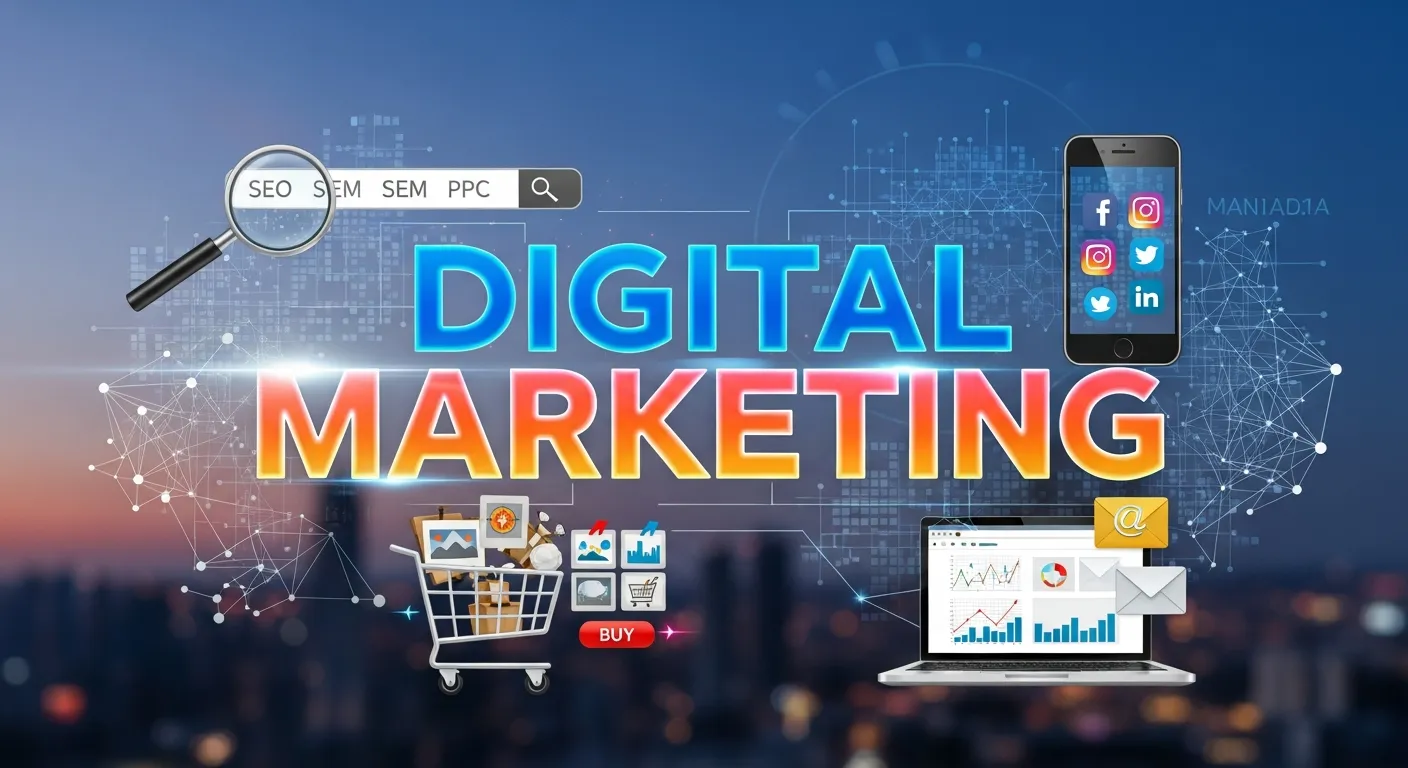
Digital marketing encompasses all marketing efforts that use electronic devices or the internet. Businesses leverage digital channels to connect with current and prospective customers, build brand awareness, and drive sales.
The field is broad and includes several specialized areas:
- Content Marketing: Creating valuable content to attract and engage audiences
- Search Engine Optimization (SEO): Optimizing websites to rank higher in search results
- Pay-Per-Click Advertising (PPC): Running paid ad campaigns on platforms like Google Ads
- Social Media Marketing: Building brand presence and engaging audiences on platforms like Instagram, Facebook, and LinkedIn
- Email Marketing: Nurturing leads and customers through targeted email campaigns
- Analytics: Measuring campaign performance and making data-driven decisions
Many professionals start digital marketing from home, learning through online courses, experimenting with their own projects, or taking on freelance clients. The barrier to entry is relatively low, making it accessible to career changers and self-taught learners.
What is Web Development?
Web development involves building and maintaining websites. Developers write code that determines how a website looks, functions, and performs. A complete guide to web development typically divides the field into three main categories:
Front-End Development: This focuses on everything users see and interact with on a website. Front-end developers work with HTML, CSS, and JavaScript to create responsive, visually appealing interfaces.
Back-End Development: Back-end developers handle server-side logic, databases, and application functionality. They work with languages like Python, PHP, Ruby, and Java to ensure websites run smoothly behind the scenes.
Full-Stack Development: Full-stack developers have expertise in both front-end and back-end development, allowing them to build complete web applications from start to finish.
Web development requires technical precision and problem-solving abilities. Unlike digital marketing, where results can be subjective and strategy-driven, web development produces tangible, functional outcomes that either work or don’t.
Learning Curve: Digital Marketing vs Web Development
Digital Marketing Learning Path
Digital marketing is generally considered easier to start learning because it doesn’t require coding knowledge. Many concepts are intuitive, and you can see results relatively quickly.
Here’s what makes digital marketing accessible:
- No technical prerequisites: You don’t need a background in technology or mathematics
- Immediate application: You can practice skills on your own social media accounts or blog
- Abundant free resources: Platforms like Google, Facebook, and HubSpot offer free certification courses
- Creative freedom: There’s room for experimentation and personal style
However, mastering digital marketing takes considerable time. The landscape constantly evolves with algorithm changes, new platforms, and shifting consumer behaviors. A digital marketing agency must stay current with trends, test strategies, and continuously adapt campaigns.
To truly excel, you need to understand:
- Consumer psychology and behavior
- Data analysis and interpretation
- Copywriting and storytelling
- Visual design principles
- Technical SEO fundamentals
- Ad platform mechanics
- Budget management
Web Development Learning Path
Web development has a steeper initial learning curve because it requires understanding programming languages and technical concepts. However, once you grasp the fundamentals, the progression can be more structured and predictable.
Here’s what characterizes the web development journey:
- Structured learning path: Clear progression from HTML/CSS basics to more complex frameworks
- Logical problem-solving: If you enjoy puzzles and systematic thinking, coding can feel natural
- Immediate feedback: Code either works or produces specific errors you can debug
- Tangible results: You build actual products you can showcase in a portfolio
The challenge lies in the volume of technologies to learn. Web development requires:
- Multiple programming languages
- Understanding of databases and servers
- Version control systems like Git
- Responsive design principles
- Security best practices
- Performance optimization
- Framework and library knowledge
New developers often feel overwhelmed by the sheer number of tools and technologies. However, you don’t need to learn everything at once. Starting with front-end basics and gradually expanding your skills is a proven approach.
Time Investment and Mastery
Digital Marketing Timeline
You can learn basic digital marketing principles in 3-6 months of dedicated study. Within this timeframe, you could:
- Understand core concepts across multiple channels
- Run your first ad campaigns
- Create content strategies
- Analyze basic metrics
However, developing expertise takes 2-3 years of consistent practice. Mastery involves understanding nuanced strategies, managing substantial budgets, and leading comprehensive campaigns across multiple channels. Senior roles at a digital marketing agency typically require this level of experience.
Web Development Timeline
Basic proficiency in front-end web development typically takes 6-12 months. During this period, you can:
- Build static websites with HTML, CSS, and JavaScript
- Create responsive designs
- Use basic frameworks like Bootstrap
- Understand fundamental programming concepts
Becoming a confident full-stack developer usually requires 2-4 years of consistent practice and real-world project experience. The timeline varies based on how much time you dedicate and whether you learn independently or through structured programs.
Career Opportunities and Salary Potential
Digital Marketing Careers
Digital marketing offers diverse career paths:
- Social Media Manager
- SEO Specialist
- Content Marketing Manager
- PPC Specialist
- Email Marketing Manager
- Marketing Analyst
- Chief Marketing Officer
Entry-level positions typically start at $40,000-$50,000 annually, while experienced professionals can earn $80,000-$120,000 or more. Those who specialize in high-demand areas like conversion optimization or marketing automation often command premium salaries.
Many digital marketers work remotely or start their own consulting businesses. The flexibility to start digital marketing from home makes it attractive for those seeking work-life balance or entrepreneurial opportunities.
Web Development Careers
Web development career options include:
- Front-End Developer
- Back-End Developer
- Full-Stack Developer
- UI/UX Developer
- Mobile App Developer
- DevOps Engineer
- Software Architect
Entry-level developers typically earn $50,000-$65,000, while experienced developers can make $90,000-$130,000 or more. Specialized roles in areas like machine learning or blockchain development can command even higher salaries.
Web developers also enjoy strong remote work opportunities and freelance potential. The technical nature of the work means projects have clear deliverables and timelines.
Which Field Matches Your Personality?
You Might Prefer Digital Marketing If You:
- Enjoy creative problem-solving
- Like working with people and understanding their motivations
- Appreciate variety and changing priorities
- Feel comfortable with ambiguity and testing ideas
- Want to see the business impact of your work quickly
- Enjoy writing, visual design, or communication
- Like analyzing trends and consumer behavior
You Might Prefer Web Development If You:
- Enjoy logical, systematic thinking
- Prefer working independently on focused tasks
- Like building things and seeing concrete results
- Feel comfortable with technical details and precision
- Enjoy continuous learning of new technologies
- Appreciate clear right-and-wrong answers
- Like solving complex puzzles
Neither choice is inherently easier or better. The right path depends on your natural inclinations, learning style, and career goals.
Can You Learn Both?
Absolutely. Many professionals develop skills in both areas, creating unique career opportunities.
Understanding web development makes you a better digital marketer because you can:
- Implement tracking codes and analytics properly
- Communicate effectively with development teams
- Troubleshoot technical issues on websites
- Optimize landing pages for conversions
- Understand technical SEO requirements
Similarly, web developers who understand digital marketing can:
- Build websites optimized for user engagement
- Create effective calls-to-action
- Design with conversion in mind
- Understand client marketing goals
- Offer more comprehensive services
Starting with one field and gradually adding complementary skills from the other can make you exceptionally valuable to employers or clients.
Getting Started: Practical First Steps
Starting Digital Marketing
- Take free certification courses from Google Digital Garage, Facebook Blueprint, or HubSpot Academy
- Create your own projects by starting a blog or managing social media for a local nonprofit
- Learn one channel deeply before spreading yourself too thin across multiple areas
- Join online communities to learn from experienced marketers
- Practice with real campaigns even if you start with small budgets
Starting Web Development
- Begin with HTML and CSS using free resources like freeCodeCamp or The Odin Project
- Build simple projects to reinforce what you learn
- Add JavaScript once you’re comfortable with HTML/CSS basics
- Create a portfolio website to showcase your growing skills
- Contribute to open-source projects to gain real-world experience
The Verdict: Which is Easier?
Digital marketing is generally easier to start learning because it has fewer technical barriers and allows for immediate experimentation. You can begin seeing results from your efforts relatively quickly, which provides motivation and validates your learning.
Web development has a steeper initial learning curve due to the technical nature of coding. However, many find the structured progression and clear problem-solving aspects easier to navigate once they overcome the initial hurdles.
For true mastery, both fields demand years of dedicated practice, continuous learning, and real-world application. The question isn’t which is objectively easier, but which aligns better with your strengths and interests.
Making Your Decision
Consider these factors when choosing between digital marketing and web development:
Choose digital marketing if: You’re more interested in strategy, creativity, and understanding customer behavior. You enjoy variety and want to see the direct business impact of your work quickly.
Choose web development if: You prefer technical problem-solving and building functional products. You enjoy learning new technologies and appreciate the clear, logical nature of coding.
Consider learning both if: You want maximum career flexibility and enjoy understanding how different aspects of digital business work together.
Remember that this isn’t necessarily a permanent decision. Many successful professionals started in one field and later expanded into the other, or switched paths entirely. The skills you develop in either area—analytical thinking, problem-solving, and continuous learning—transfer across many careers.



Leave a Reply