

Digital marketing jobs legit? Absolutely. This field offers real career opportunities with competitive salaries, remote work flexibility, and strong demand across industries. Learn how to identify authentic roles, develop essential skills, and build a sustainable career in digital marketing.
The digital marketing industry has exploded over the past decade, creating thousands of job opportunities worldwide. Yet skepticism persists. Are digital marketing jobs legit, or are they just another online scheme promising easy money? If you’ve found yourself asking this question, you’re not alone.
The confusion is understandable. The internet is flooded with “work from home” scams, get-rich-quick schemes, and dubious training programs that overpromise and underdeliver. But here’s the truth: legitimate digital marketing careers exist, and they’re thriving. Companies of all sizes—from startups to Fortune 500 corporations—need skilled professionals to manage their online presence, drive traffic, and convert leads into customers.
This comprehensive guide will help you separate fact from fiction. We’ll explore what makes digital marketing jobs legit, how to identify red flags, the skills you need to succeed, and how to build a sustainable career in this dynamic field.
Understanding the Digital Marketing Landscape
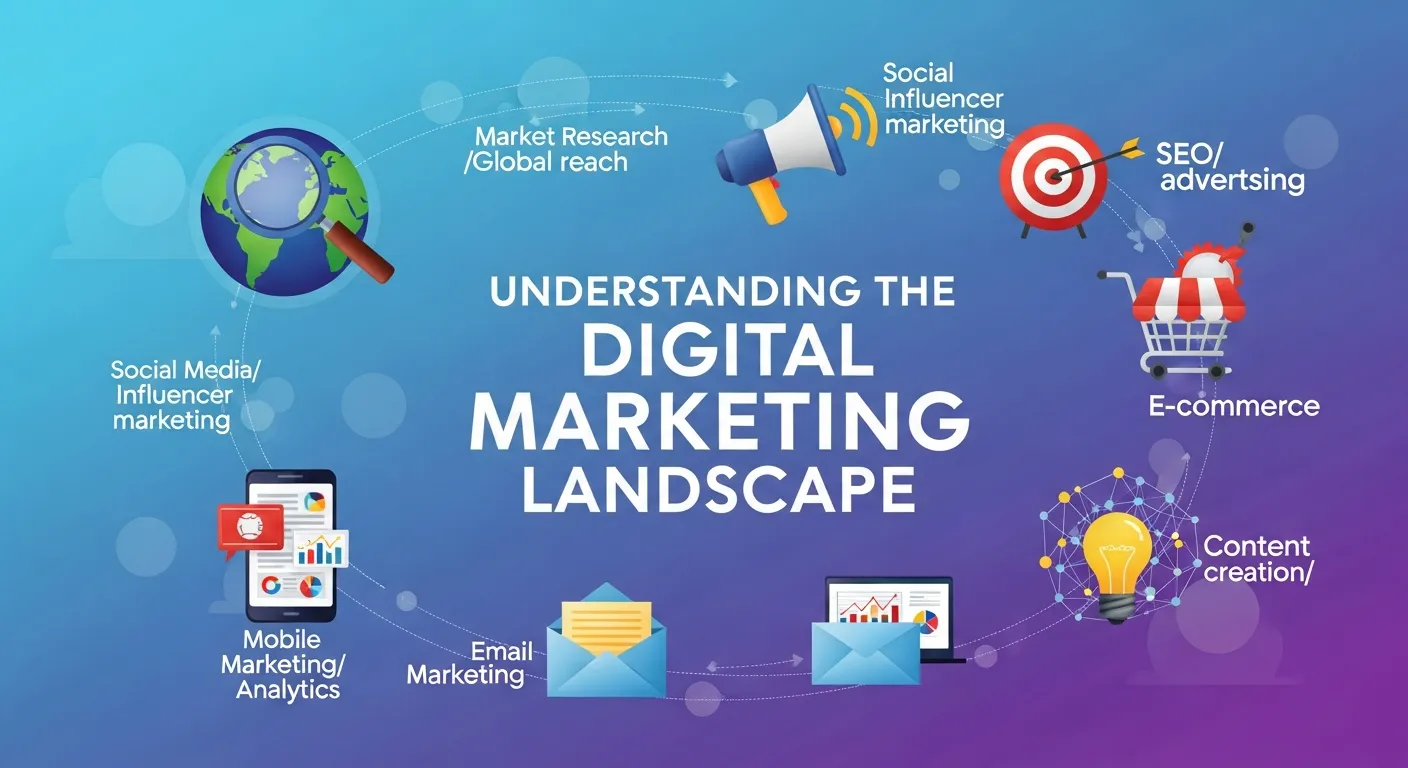
Digital marketing encompasses a broad range of activities designed to promote products, services, or brands through online channels. Unlike traditional marketing, which relies on print ads, billboards, and television commercials, digital marketing leverages the internet and electronic devices to reach target audiences.
The field includes several specialized areas:
Search Engine Optimization (SEO): Improving website visibility in search engine results to drive organic traffic.
Content Marketing: Creating valuable, relevant content to attract and engage specific audiences.
Social Media Marketing: Building brand awareness and engagement through platforms like Facebook, Instagram, LinkedIn, and TikTok.
Pay-Per-Click Advertising (PPC): Managing paid advertising campaigns on search engines and social media platforms.
Email Marketing: Developing targeted email campaigns to nurture leads and maintain customer relationships.
Analytics and Data Analysis: Measuring campaign performance and extracting actionable insights from data.
Each of these specializations offers genuine career paths with competitive compensation. A full service digital marketing agency, for instance, typically employs specialists across all these areas to serve diverse client needs.
Why Digital Marketing Jobs Are Legitimate
Several factors confirm that digital marketing jobs legit opportunities exist throughout the industry:
Market Demand and Growth
The Bureau of Labor Statistics projects advertising, promotions, and marketing manager positions will grow 6% from 2022 to 2032. This growth reflects businesses’ increasing reliance on digital channels to reach consumers. Companies recognize that without a strong online presence, they risk becoming irrelevant in competitive markets.
Real Companies with Real Budgets
Major corporations like Nike, Amazon, Coca-Cola, and Microsoft invest billions annually in digital marketing. These aren’t fly-by-night operations—they’re established businesses with substantial budgets dedicated to digital campaigns. When companies allocate significant resources to digital marketing, they need qualified professionals to manage those investments effectively.
Measurable Results and ROI
Unlike some vague business opportunities, digital marketing delivers quantifiable results. Marketers track metrics like website traffic, conversion rates, click-through rates, and return on ad spend. This accountability makes the profession tangible and legitimate. When you can prove that your work generated $50,000 in revenue from a $5,000 investment, your value becomes undeniable.
Professional Development and Education
Reputable institutions offer digital marketing degrees, certifications, and training programs. Google, HubSpot, Facebook, and other platforms provide free and paid certifications that employers recognize. This educational infrastructure supports a legitimate profession with standardized knowledge and best practices.
Competitive Salaries
Digital marketing professionals earn respectable salaries. According to Glassdoor, the average base salary for a digital marketing manager in the United States ranges from $65,000 to $95,000 annually, with senior positions commanding even higher compensation. Entry-level roles typically start between $40,000 and $55,000, offering a solid foundation for career growth.
Red Flags: How to Spot Illegitimate Opportunities

While digital marketing jobs legit positions exist, scams do too. Here’s how to identify warning signs:
Unrealistic Income Promises
Be wary of job postings or training programs that guarantee you’ll make $10,000 per month within weeks. Building expertise and income takes time. Legitimate employers focus on skills, experience, and growth potential—not overnight riches.
Upfront Payment Requirements
Real employers don’t ask you to pay for a job. If a company requires you to purchase expensive training materials, starter kits, or software before you can begin working, walk away. While some certifications cost money, these should be optional professional development tools, not job prerequisites.
Vague Job Descriptions
Legitimate digital marketing positions clearly outline responsibilities, required skills, and expectations. If a posting uses buzzwords without explaining what you’ll actually do, proceed with caution. Phrases like “unlimited earning potential” or “be your own boss” without specific job duties often signal pyramid schemes or multi-level marketing operations.
Poor Communication and Unprofessional Behavior
Professional companies communicate clearly and maintain appropriate boundaries. Red flags include recruiters who contact you through personal social media accounts, use unprofessional language, or pressure you to make quick decisions without providing adequate information.
No Verifiable Company Information
Research any company before accepting a position. Legitimate businesses have websites, social media presence, verified reviews, and often news coverage. If you can’t find substantial information about a company or its leadership, that’s a significant warning sign.
Essential Digital Marketing Skills You Need
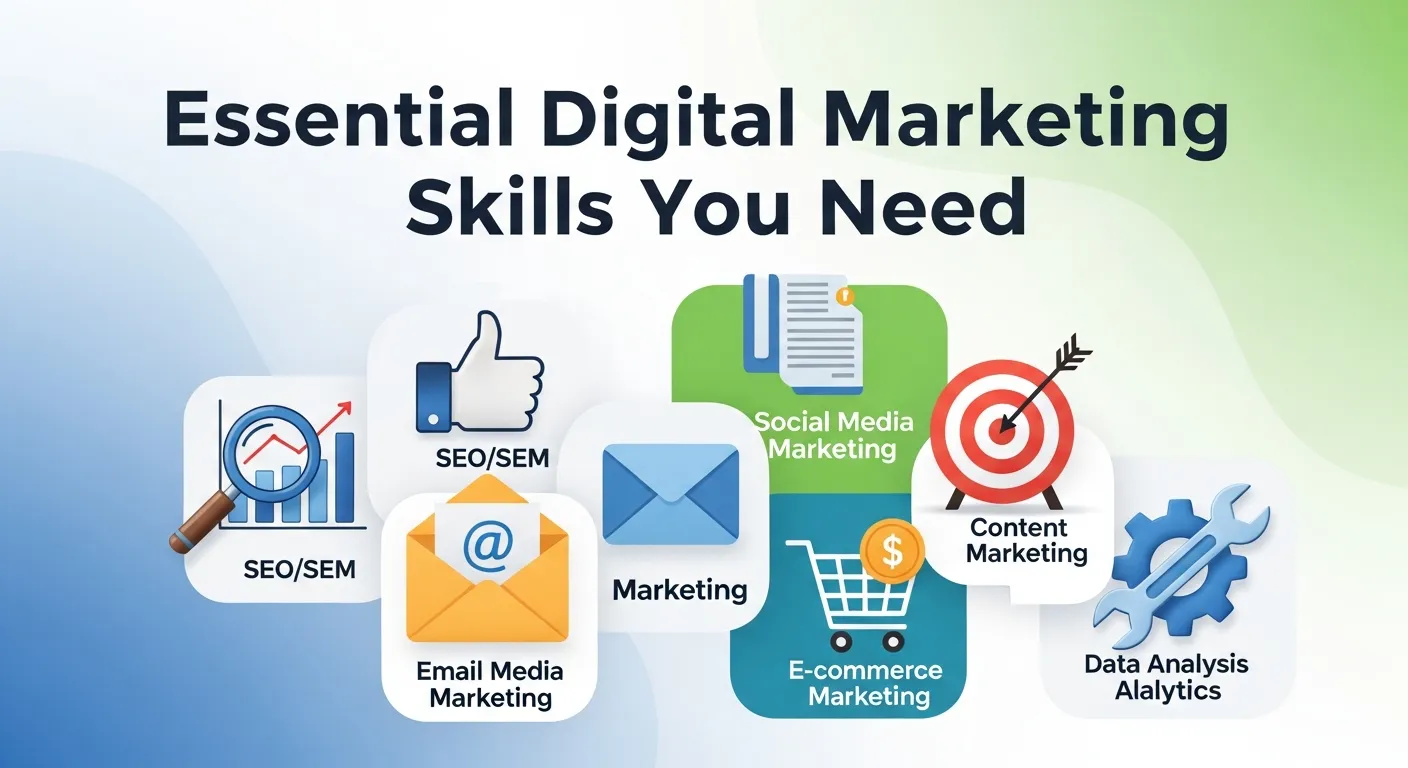
To succeed in legitimate digital marketing roles, you’ll need to develop both technical and soft skills. Here are the essential digital marketing skills that employers value:
Technical Proficiencies
Analytics Tools: Master Google Analytics, Google Search Console, and social media analytics platforms to track performance and extract insights.
Content Management Systems: Learn WordPress, Shopify, or other CMS platforms to publish and manage content effectively.
Email Marketing Platforms: Gain familiarity with tools like Mailchimp, Constant Contact, or HubSpot. Understanding email marketing cost a complete guide helps you manage budgets efficiently.
Advertising Platforms: Develop expertise in Google Ads, Facebook Ads Manager, LinkedIn Campaign Manager, and other paid advertising tools.
SEO Tools: Use platforms like SEMrush, Ahrefs, or Moz to conduct keyword research, competitive analysis, and technical SEO audits.
Design Software: Basic knowledge of Canva, Adobe Creative Suite, or similar tools helps you create visual content.
Strategic Thinking
Understanding how to build a digital marketing plan from scratch is crucial. You’ll need to identify target audiences, set measurable goals, determine appropriate channels, allocate budgets, and establish key performance indicators. Strategic thinking separates execution-focused roles from leadership positions.
Adaptability and Continuous Learning
Digital marketing evolves rapidly. Algorithms change, new platforms emerge, and consumer behaviors shift. Successful marketers embrace lifelong learning, staying current with industry trends and adapting strategies accordingly. Mastering mobile penetration, for example, has become essential as smartphone usage continues to dominate internet access.
Communication and Collaboration
Digital marketers must articulate ideas clearly, whether writing compelling ad copy, presenting campaign results to stakeholders, or collaborating with designers and developers. Strong interpersonal skills facilitate teamwork and client relationships.
Critical Thinking and Problem-Solving
Not every campaign succeeds. When digital marketing campaigns will fail, you need analytical skills to diagnose problems, test solutions, and optimize performance. The ability to learn from failures distinguishes average marketers from exceptional ones.
Building Your Digital Marketing Career Path
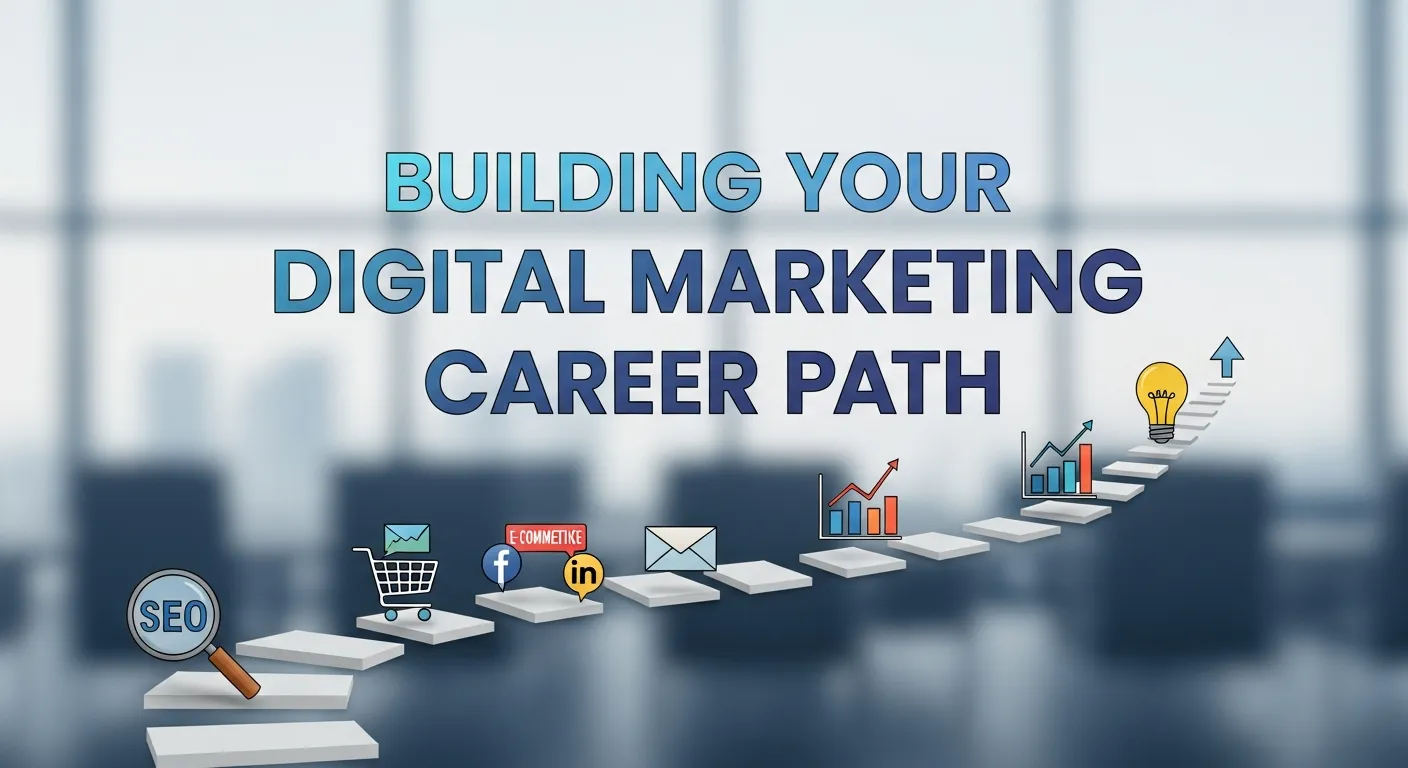
Once you’ve confirmed that digital marketing jobs legit opportunities exist and you’ve developed foundational skills, it’s time to launch your career. Here’s a practical roadmap:
Step 1: Gain Foundational Knowledge
Start with free resources. Google Digital Garage, HubSpot Academy, and YouTube offer excellent introductory courses. Read industry blogs like Moz, Search Engine Journal, and Neil Patel’s website. This self-directed learning provides a solid foundation without financial investment.
Step 2: Earn Recognized Certifications
After building basic knowledge, pursue certifications that employers value:
- Google Analytics Individual Qualification
- Google Ads Certification
- HubSpot Content Marketing Certification
- Facebook Blueprint Certification
- Hootsuite Social Marketing Certification
These credentials demonstrate commitment and competence to potential employers.
Step 3: Build a Portfolio
Practical experience matters more than theoretical knowledge. Create a personal website or blog where you apply SEO principles, content marketing strategies, and analytics tracking. Volunteer to manage social media for a nonprofit organization or local business. Offer freelance services at reduced rates to build case studies demonstrating your impact.
Document everything. Screenshot analytics dashboards showing traffic growth, save examples of content you’ve created, and quantify results whenever possible. A portfolio showcasing real achievements makes you significantly more attractive to employers.
Step 4: Start With Entry-Level Positions
Consider roles like:
- Digital Marketing Coordinator
- Social Media Specialist
- Content Writer or Creator
- SEO Analyst
- Email Marketing Assistant
These positions provide valuable experience and professional connections. Don’t dismiss opportunities at smaller companies or agencies—they often offer broader exposure to various marketing functions than large corporations where roles are highly specialized.
Step 5: Network and Build Professional Relationships
Join digital marketing communities on LinkedIn, Facebook, and Slack. Attend virtual conferences and webinars. Follow industry leaders and engage with their content. Networking opens doors to job opportunities, mentorship, and collaborative learning.
Step 6: Specialize and Advance
As you gain experience, consider specializing in areas that align with your interests and strengths. Specialization often leads to higher compensation and greater job satisfaction. Senior roles like Digital Marketing Manager, SEO Director, or Head of Growth typically require 5-7 years of experience but offer salaries exceeding $100,000 annually.
Remote Work and Freelancing Opportunities
One reason some people question whether digital marketing jobs legit is the prevalence of remote and freelance positions. However, remote work has become standard across many industries, accelerated by the global pandemic.
Digital marketing is particularly well-suited to remote work because:
- Most tasks occur online and require only a computer and internet connection
- Collaboration tools like Slack, Zoom, and Asana facilitate seamless teamwork
- Results are measurable regardless of physical location
- Many clients prefer digital communication over in-person meetings
Freelancing offers flexibility and income potential, though it requires self-discipline, business acumen, and patience as you build a client base. Platforms like Upwork, Fiverr, and Freelancer connect freelancers with clients, though competition can be intense and rates initially low.
If you pursue freelancing, treat it as a legitimate business. Set clear rates, create contracts, deliver quality work, and build long-term client relationships rather than chasing one-off projects.
Understanding Why Some Digital Marketing Campaigns Fail
Recognizing that digital marketing campaigns will fail sometimes doesn’t diminish the legitimacy of the profession—it underscores the need for skilled professionals. Campaigns fail for various reasons:
Poorly Defined Goals: Without clear, measurable objectives, success becomes impossible to achieve or assess.
Insufficient Audience Research: Marketing to everyone means effectively reaching no one. Successful campaigns target specific segments with tailored messaging.
Weak Content: Generic, low-quality content fails to engage audiences or differentiate brands from competitors.
Neglecting Mobile Users: With mobile devices generating over half of web traffic, campaigns that ignore mastering mobile penetration miss significant opportunities.
Inadequate Budget or Resources: Unrealistic expectations paired with insufficient investment set campaigns up for failure.
Ignoring Data and Analytics: Gut feelings don’t drive results. Data-informed decisions separate successful campaigns from unsuccessful ones.
Lack of Testing and Optimization: The best marketers continuously test variables, analyze results, and refine strategies. Static campaigns stagnate.
Understanding these pitfalls prepares you to avoid them and demonstrates the value that skilled digital marketers bring to organizations.
The Financial Reality of Digital Marketing Careers
Let’s address compensation directly, as salary concerns often fuel skepticism about whether digital marketing jobs legit opportunities exist.
Entry-level positions typically offer $40,000-$55,000 annually, depending on location, company size, and specific role. This provides a livable income while you develop expertise.
Mid-level professionals with 3-5 years of experience generally earn $60,000-$85,000. Specialists with in-demand skills (like advanced PPC management or marketing automation expertise) command premium salaries.
Senior-level roles, including Digital Marketing Directors, VP of Marketing, or Chief Marketing Officers, earn $100,000-$250,000+ annually, particularly in major metropolitan areas or at large corporations.
Freelancers and consultants have variable income depending on client base, specialization, and reputation. Some earn modest supplemental income while others build six-figure businesses.
Beyond base salary, many positions offer bonuses, profit sharing, stock options, health benefits, retirement contributions, and professional development budgets. Remote work opportunities provide additional value by eliminating commuting costs and time.
Wrapping Up: Your Digital Marketing Journey Starts Now
So, are digital marketing jobs legit? Unequivocally, yes. This field offers authentic career opportunities with strong demand, competitive compensation, and diverse specializations. Whether you’re drawn to creative content creation, analytical data interpretation, or strategic campaign planning, digital marketing has a place for you.
Success requires dedication, continuous learning, and practical experience. Avoid get-rich-quick schemes and focus on building genuine skills through education, certification, and hands-on practice. Start small, document your progress, and gradually expand your expertise.
The digital landscape will continue evolving, creating new opportunities for those willing to adapt and grow. Companies need qualified professionals to navigate this complexity, manage substantial budgets, and drive measurable results. If you’re ready to commit to developing your skills and delivering value, digital marketing offers a rewarding, sustainable career path.
Take the first step today. Whether that means enrolling in a free certification course, volunteering your services to gain experience, or applying for entry-level positions, action transforms possibility into reality. Your legitimate digital marketing career awaits.
Frequently Asked Questions About Digital Marketing Jobs Legit
Are digital marketing jobs really legitimate careers?
Yes, digital marketing jobs legit opportunities exist across industries. Companies invest billions annually in digital marketing and need skilled professionals to manage campaigns, analyze data, and drive results. Major corporations, small businesses, agencies, and nonprofits all hire digital marketers.
How much can I realistically earn in digital marketing?
Entry-level roles typically start at $40,000-$55,000 per year. Mid-level professionals earn $60,000-$85,000, while senior roles can exceed $100,000-$250,000. Freelancers’ earnings vary depending on clients and expertise. These figures demonstrate that digital marketing jobs legit careers offer competitive compensation.
Do I need a college degree to work in digital marketing?
While many employers prefer a bachelor’s degree in marketing or communications, it’s not always required. Practical skills, certifications, and a strong portfolio can substitute for formal education—proving that digital marketing jobs legit paths are accessible without a degree.
What skills do I need to succeed in digital marketing?
Essential skills include analytics, content creation, SEO, social media management, email marketing, paid advertising, and strategic thinking. Soft skills like communication, adaptability, and problem-solving are also crucial for digital marketing jobs legit careers.
How can I tell if a digital marketing job posting is a scam?
Watch for red flags like unrealistic income promises, upfront fees, vague descriptions, unprofessional communication, and no verifiable company info. Legitimate employers demonstrate that digital marketing jobs legit opportunities are transparent and professional.
Can I work remotely in digital marketing?
Yes. Many digital marketing jobs legit positions are remote or hybrid since most tasks occur online. Freelancing also offers global flexibility for experienced marketers.
How long does it take to become proficient in digital marketing?
Basic proficiency can develop within 6–12 months. True expertise takes several years of hands-on experience. Continuous learning is essential for all digital marketing jobs legit careers.
Why do some digital marketing campaigns fail?
Campaigns fail due to unclear goals, poor audience research, weak content, neglecting mobile users, low budgets, ignoring data, or lack of testing. Skilled marketers in digital marketing jobs legit roles learn from these failures and optimize strategies.
Is freelance digital marketing legitimate?
Yes. Freelance opportunities are part of digital marketing jobs legit paths. Success requires discipline, business skills, and patience in building a client base.
What certifications should I pursue for digital marketing?
Recommended certifications include Google Analytics IQ, Google Ads, HubSpot Content Marketing, Facebook Blueprint, and Hootsuite Social Marketing. These validate your expertise for digital marketing jobs legit opportunities.
How do I build a digital marketing plan from scratch?
Start with clear goals, audience research, competitive analysis, channel selection, content strategy, budget allocation, KPIs, and tracking. Regular optimization ensures long-term success in digital marketing jobs legit careers.
What role does mobile marketing play in digital strategy?
Mobile devices generate over half of web traffic. Effective strategies prioritize mobile-responsive design, mobile-friendly content, location-based marketing, mobile ads, and app engagement—critical knowledge for all digital marketing jobs legit positions.



Leave a Reply