

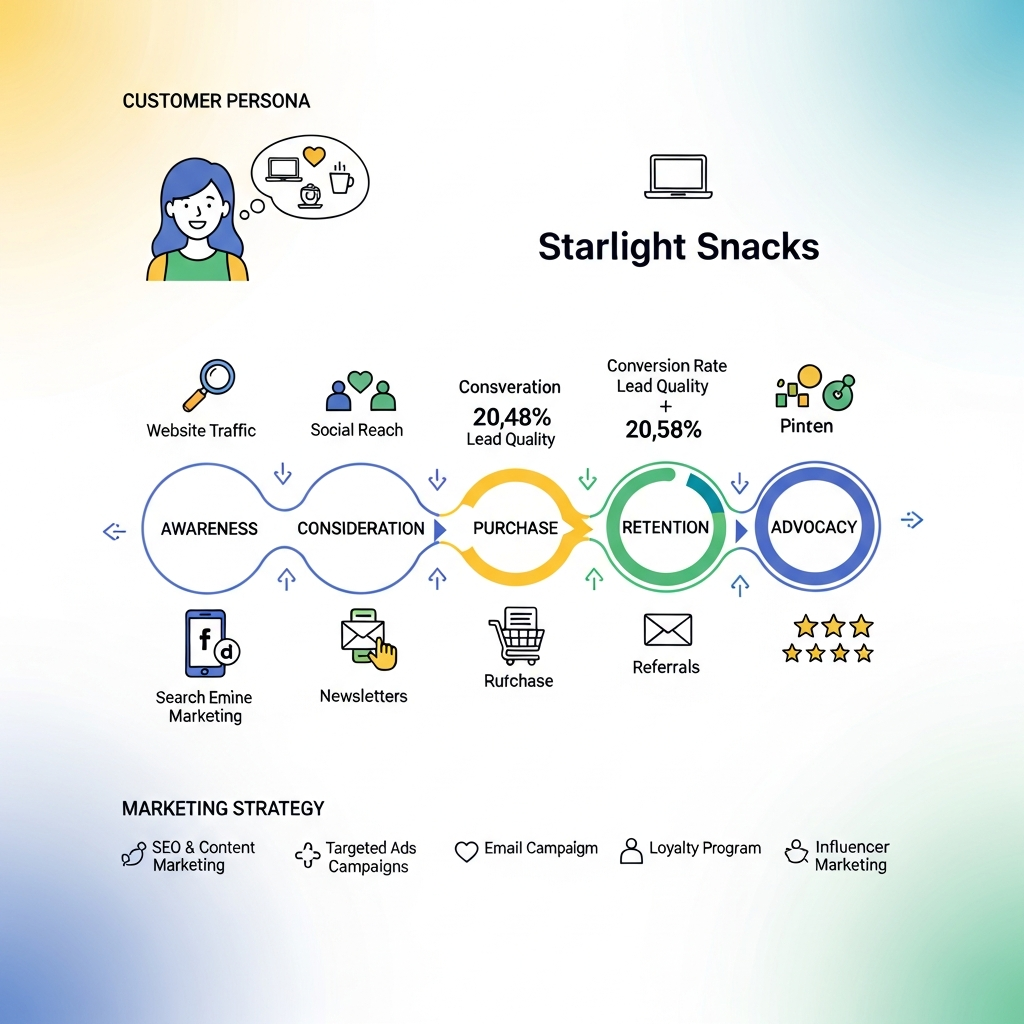
In today’s digital landscape, understanding the path your customers take from first contact to loyal advocacy is more important than ever. Customer Journey Mapping offers a strategic framework for visualizing every interaction point, enabling marketers and business leaders to uncover hidden opportunities, eliminate friction, and create tailored experiences that resonate. By crafting a clear portrait of your buyers’ motivations and pain points, you position your organization to deliver meaningful engagement, drive conversions, and foster long-term loyalty.
This year , businesses are under increasing pressure to stand out in a crowded marketplace. Consumer expectations have shifted, demanding seamless, personalized journeys across channels—from social media to email, websites to live chat. Customer Journey Mapping serves as a compass, guiding cross-functional teams toward a unified vision and data-driven decisions. In this comprehensive guide, we explore why mapping matters, break down the five essential phases, provide a step-by-step framework to build your map, review top tools and technologies, and share best practices for optimization and measurement. Whether you’re a seasoned digital marketer or just beginning your mapping efforts, you’ll find practical insights and authoritative resources to elevate your strategy.
Why Customer Journey Mapping Matters
Customer Journey Mapping is not just a buzzword—it’s a foundational element for digital marketing success. By visualizing the entire process a prospect undergoes, organizations gain deeper customer insights and can tailor communications to meet evolving needs. Companies that systematically track journey touchpoints see higher satisfaction scores and better ROI. To understand broader strategy, you can explore digital marketing strategies that drive results.
First, journey mapping unifies cross-functional teams. Marketing, sales, customer support, and product development each gather around a single source of truth, reducing silos and ensuring consistent messaging. When every department recognizes pivotal moments—such as when prospects shift from awareness to consideration—they can tailor content, offers, and support in harmony.
Second, customer journey maps illuminate bottlenecks and pain points. Whether it’s a slow-loading page, confusing form, or lackluster email follow-up, the data-driven insights reveal core issues that impact conversion rates. Armed with this knowledge, teams can prioritize high-impact fixes rather than relying on guesswork.
Third, journey mapping elevates personalization. Today’s consumers expect interactions that feel tailored to their needs. By aligning offers and messaging with specific journey stages, companies can boost engagement, increase click-through rates, and nurture prospects more effectively. Personalized campaigns driven by mapping data typically deliver up to 15% higher open rates, according to research from the Content Marketing Institute.
Finally, the focus on metrics encourages continuous improvement. When baseline performance indicators—such as time on page, form completion rate, or Net Promoter Score (NPS)—are tied to journey stages, teams can measure progress, iterate, and validate the impact of optimizations. In today’s fast-paced environment, this cycle of test, learn, and refine is essential for sustained growth.
The Five Essential Phases of the Customer Journey

While every industry and organization may customize journey stages, most customer experiences break down into five core phases. Understanding each phase is critical for effective Customer Journey Mapping and targeted optimization.
Awareness
The awareness stage marks the first interaction a prospect has with your brand. Potential customers may discover your business through search engines, social media, display ads, content marketing, email campaigns, and referrals. The primary goal is to capture attention and spark interest. Content marketing and SEO are critical here—learn how SEO in digital marketing drives awareness and traffic.
Content plays a crucial role in awareness. Blog posts, educational videos, webinars, infographics, social media posts, and podcasts can effectively introduce your products or services while providing value. Leveraging analytics tools such as Google Analytics, social media insights, and SEO tracking helps identify which channels drive the most traffic, which content resonates with your audience, and where to invest marketing resources for maximum impact. Strategic messaging at this stage lays the foundation for building trust and establishing your brand in the minds of prospects.
Consideration
During the consideration stage, prospects are aware of your brand and actively researching their options. They compare your offerings with competitors, read reviews, examine case studies, and evaluate whether your solution meets their specific needs. This stage is critical because buyers are forming perceptions about credibility, reliability, and value.
Your content strategy should focus on being authoritative, informative, and solution-driven. Detailed product pages, whitepapers, comparison charts, tutorials, and expert reviews can help prospects make informed decisions. According to research by Pew, 87% of consumers read online reviews before purchasing, emphasizing the importance of reputation management and transparent communication. Engaging with your audience by answering questions, hosting webinars, or sharing success stories helps build confidence, making your brand a preferred choice.
Decision
The decision phase is where prospects move from research to action, culminating in a purchase, subscription, or conversion event. At this stage, reducing friction and building trust is paramount. Prospects carefully evaluate pricing, product trials, demos, warranties, and vendor credibility before committing.
Optimizing your checkout or conversion process can significantly impact outcomes. Clear calls to action, transparent pricing details, flexible payment options, easy-to-navigate forms, and mobile-friendly experiences are essential. Tools like Hotjar and session recordings can reveal areas where visitors hesitate, allowing you to make data-driven improvements. Offering guarantees, free trials, or limited-time incentives can also reassure prospects and encourage faster decision-making. This stage is the culmination of all prior efforts in awareness and consideration, and a seamless experience can turn interest into measurable results.
Retention
Retention emphasizes nurturing long-term relationships. Strategies include onboarding, educational content, proactive support, loyalty programs, and personalized follow-ups. Increasing retention by 5% can yield a 25–95% profit increase. Discover ways to grow small business with digital marketing in this phase.
Satisfied customers are more likely to make repeat purchases, provide referrals, and become advocates for your brand. Data shows that increasing retention by just 5% can lead to a 25%–95% increase in profits, highlighting the significant return on investment for post-sale engagement. By consistently delivering value, addressing issues promptly, and anticipating needs, businesses can strengthen loyalty and maximize customer lifetime value.
Advocacy
The advocacy phase represents the ultimate goal of the customer journey—transforming delighted customers into brand ambassadors. When customers are highly satisfied, they naturally share positive experiences with peers, amplify your message through reviews, social media posts, and testimonials, and actively participate in referral programs.
Monitoring and nurturing advocacy involves tools like Net Promoter Score (NPS) surveys to identify promoters, and social listening platforms to track mentions, engagement, and sentiment. Brands can encourage advocacy by rewarding referrals, featuring user-generated content, and publicly celebrating loyal customers. Advocacy not only strengthens your reputation but also drives organic growth and enhances credibility, creating a cycle where happy customers attract more potential buyers.
How to Build Your Journey Map: A Practical Guide
Implementing Customer Journey Mapping involves a structured, data-driven approach. Here’s a step-by-step process you can apply today.
1. Define Buyer Personas
Begin by creating detailed personas that represent your ideal customers. Include demographics, goals, challenges, preferred channels, and purchasing behaviors. Use real data from surveys, customer interviews, and analytics platforms like Adobe Analytics to validate assumptions. Well-defined personas ensure your journey map addresses genuine needs rather than theoretical profiles.
2. Inventory Customer Touchpoints
List every interaction a customer may have with your brand—from initial ad impressions and website visits to live chat sessions, email communications, and in-store experiences if applicable. Organize these touchpoints by persona and journey phase. A comprehensive inventory prevents oversights and forms the backbone of a robust map.
3. Map the Current State
Collect quantitative metrics—click-through rates, bounce rates, session duration—and qualitative feedback via surveys or user interviews. Plot these insights against each touchpoint to visualize existing pathways. Highlight drop-offs and friction areas, noting customer emotions and motivations to humanize the journey and identify where prospects get stuck or delighted.
4. Analyze Pain Points and Moments of Delight
Examine where customers experience frustration—complex form fields, unclear pricing, or slow support response—and mark these as pain points. Conversely, identify moments that exceed expectations, such as personalized follow-up emails or seamless mobile checkouts. Balance is key: addressing critical pain points and amplifying positive moments drives the greatest impact.
5. Ideate Improvements and Personalization
Collaborate across teams to brainstorm solutions. Ideas might include implementing chatbots for real-time support, A/B testing landing pages, automating follow-up sequences, or offering dynamic content based on user behavior. Prioritize initiatives based on feasibility and potential ROI. Document action plans, assign owners, and set clear timelines to move from ideation to execution.
Tools and Technologies to Streamline Mapping

Mapping and optimizing the customer journey requires specialized tools to gather data, visualize pathways, and measure outcomes. Consider these categories as you build your tech stack.
Journey Visualization Platforms
Solutions like Smaply, UXPressia, and Microsoft Visio enable you to create interactive journey maps, annotate touchpoints, and share insights across teams. These platforms facilitate collaborative workshops and keep mapping artifacts organized.
Web Analytics
Google Analytics and Adobe Analytics provide critical metrics on user behavior, traffic sources, and conversion events. Integrate these tools with your CRM to connect online engagement with sales outcomes, creating a unified data view.
CRM Systems
Platforms such as Salesforce, HubSpot, and Zoho CRM track individual customer interactions over time. By combining demographic data with behavioral insights, you can tailor campaigns and measure the impact of journey interventions on revenue generation.
Heatmaps and Session Recording
Tools like Hotjar and Crazy Egg reveal where users click, scroll, and hesitate on your site. These visual insights uncover hidden usability issues that standard analytics might miss, helping you refine page layouts and calls to action.
Customer Feedback and Survey Tools
SurveyMonkey, Typeform, and UserTesting collect structured feedback at key journey stages. Leverage in-app surveys or post-purchase questionnaires to gather real-time impressions and identify emerging trends in customer sentiment.
Best Practices for Optimization and Measurement
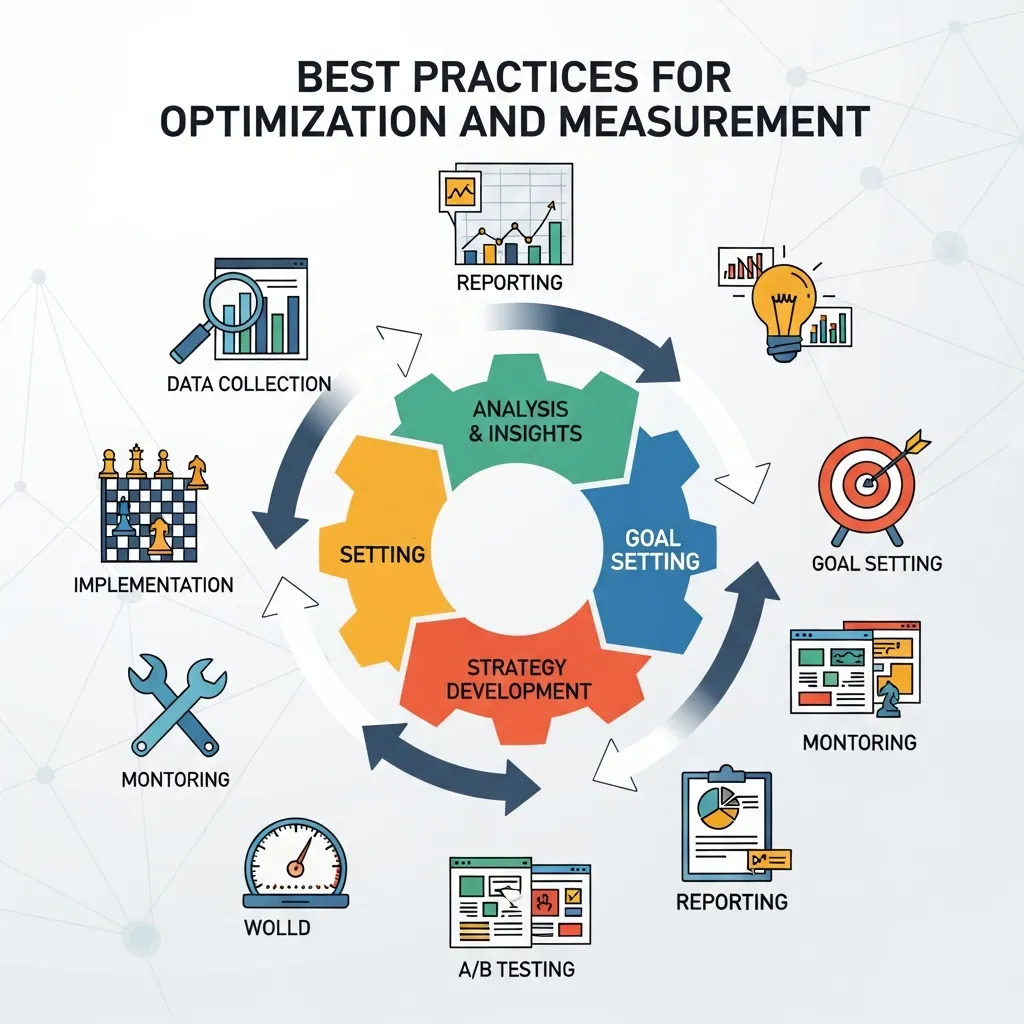
Effective Customer Journey Mapping is an ongoing process. To ensure continuous improvement, follow these best practices.
Focus on Critical Touchpoints
Avoid overcomplicating your map by listing every minor interaction. Prioritize high-impact touchpoints that drive conversions, retention, and advocacy. This clarity helps your team concentrate on what truly moves the needle.
Use Data-Driven Insights
Ground your journey map in real metrics and customer feedback rather than assumptions. Regularly update personas and touchpoint data to reflect shifting behaviors and market trends in today’s fast-paced environment.
Collaborate Cross-Functionally
Engage stakeholders from marketing, sales, support, and product teams to gain diverse perspectives. Joint workshops foster shared ownership and ensure the journey map aligns with broader organizational goals.
Establish Clear KPIs
Define performance indicators for each phase—such as click-through rates for awareness, form completion rates for consideration, cart abandonment for decision, repeat purchase rates for retention, and NPS for advocacy. Track these KPIs on dashboards and set regular review cadences.
Iterate Continuously
Customer behavior evolves rapidly. Schedule quarterly or biannual audits of your journey map, incorporating fresh data, testing new experiences, and refining strategies. This iterative approach ensures your mapping efforts stay relevant and effective.
Conclusion
Customer Journey Mapping is a strategic imperative in today’s highly competitive digital ecosystem. By visualizing every touchpoint, uncovering pain points, and tailoring experiences to distinct persona needs, organizations can drive meaningful engagement, boost conversions, and cultivate lifelong advocacy. Implementing a structured process—defining personas, cataloging interactions, mapping the current state, analyzing insights, and ideating improvements—sets the stage for data-driven optimization. Leveraging the right tools, establishing clear KPIs, and embracing continuous iteration ensures your journey map remains a living asset that propels growth. Start mapping your customers’ journeys today, and transform each interaction into an opportunity for success in 2026.
Customer Journey Mapping FAQ
1. What is Customer Journey Mapping?
Customer Journey Mapping is a strategic approach that visualizes all touchpoints a customer experiences with a brand. It helps businesses understand behavior, identify pain points, and design personalized experiences that boost engagement and loyalty.
2. Why is Customer Journey Mapping important for businesses?
Customer Journey Mapping provides insights into how customers interact with a brand, uncovers friction points, and aligns teams across marketing, sales, and support. Companies using journey mapping can improve satisfaction, conversions, and long-term retention.
3. What are the key phases in Customer Journey Mapping?
The five essential phases are Awareness, Consideration, Decision, Retention, and Advocacy. Each phase allows brands to influence customer behavior through targeted messaging and tailored experiences.
4. How do businesses collect data for Customer Journey Mapping?
Businesses gather data from web analytics, CRM platforms, heatmaps, session recordings, surveys, and interviews. Combining quantitative and qualitative insights ensures a complete view of the customer journey.
5. How does Customer Journey Mapping improve customer experience?
Customer Journey Mapping identifies bottlenecks and friction points, helping organizations optimize processes, tailor communications, and deliver personalized interactions. This increases engagement, satisfaction, and conversion rates.
6. What tools are used in Customer Journey Mapping?
Common tools for Customer Journey Mapping include Smaply, UXPressia, Microsoft Visio for visual maps, Google Analytics and Adobe Analytics for behavior tracking, and CRM platforms like Salesforce or HubSpot.
7. How does Customer Journey Mapping benefit cross-functional teams?
Customer Journey Mapping unifies marketing, sales, support, and product teams around a shared understanding of customers. It reduces silos, ensures consistent messaging, and fosters collaborative strategy execution.
8. What metrics should be tracked in Customer Journey Mapping?
Metrics for Customer Journey Mapping include click-through rates, form completions, cart abandonment, retention and repeat purchase rates, and Net Promoter Score (NPS). Tracking these KPIs measures journey effectiveness and informs optimizations.
9. How often should Customer Journey Mapping be updated?
Customer Journey Mapping should be reviewed quarterly or biannually to reflect changes in customer behavior, market trends, and new touchpoints. Continuous updates keep the map actionable and relevant.
10. Can Customer Journey Mapping increase revenue?
Yes. Customer Journey Mapping identifies friction points, improves conversions, personalizes experiences, and encourages advocacy. Properly implemented, it can increase sales, reduce churn, and maximize customer lifetime value.



Leave a Reply