


Voice Search Optimization (VSO) improves website visibility for voice-based queries on devices like Siri, Alexa, and Google Assistant. It focuses on conversational keywords, technical SEO, local optimization, and mobile-friendly content. VSO enhances user experience, boosts local search rankings, supports voice commerce, and increases chances of appearing in featured snippets.
In today’s rapidly evolving digital landscape, voice search has emerged as a powerful channel for consumers to discover information, products, and services. With the widespread adoption of smart speakers, digital assistants like Siri, Alexa, and Google Assistant, optimizing your online presence for voice-based queries is no longer optional—it’s essential. This guide will equip digital marketers with the strategies, best practices, and tools needed to excel in voice search optimization.
What Is Voice Search Optimization?
Voice Search Optimization (VSO) is the process of optimizing website content, structure, and technical elements to rank well for voice-based queries performed via smart devices and virtual assistants. Unlike traditional search where users type keywords, voice search queries are conversational, longer, and often phrased as questions. VSO bridges the gap between how humans naturally speak and how search engines interpret those spoken queries.
Why Voice Search Matters in Digital Marketing
According to industry research, over 55% of households will own a smart speaker by 2025, and voice commerce is projected to exceed $40 billion in sales. Voice search isn’t just a novelty—it’s shaping consumer behavior. Marketers who fail to adapt risk losing visibility, engagement, and conversions. By integrating voice search optimization into your digital marketing strategy, you can:
- Capture users during the early decision-making phase
- Improve local search presence
- Enhance user experience and accessibility
- Stay ahead of competitors by adopting cutting-edge tactics
Understanding Voice Search Behavior
Voice queries tend to be:
- Long-tail and conversational: “Where can I find the best vegan pizza near me?”
- Question-based: beginning with who, what, when, where, why, or how
- Local intent driven: often including “near me” or specific locations
Analyzing user intent and common voice queries in your industry is critical. Use tools like Google Search Console, AnswerThePublic, and FAQ analyses to compile a database of question-based keywords relevant to your audience.
Types of Voice Search Queries
Not all voice searches are the same. To optimize effectively, it is essential to understand the three main types of voice search queries: informational, navigational, and transactional. Each type reflects a different user intent, and tailoring your content accordingly ensures you provide relevant answers at the right moment.
| Query Type | Example Query | Optimization Tip |
|---|---|---|
| Informational | “What is voice search optimization?” | Create detailed Q&A content and FAQs |
| Navigational | “Open Starbucks near me” | Optimize Google My Business and local pages |
| Transactional | “Order vegan pizza delivery nearby” | Highlight product pages and voice-friendly CTAs |
Key Strategies for Voice Search Optimization
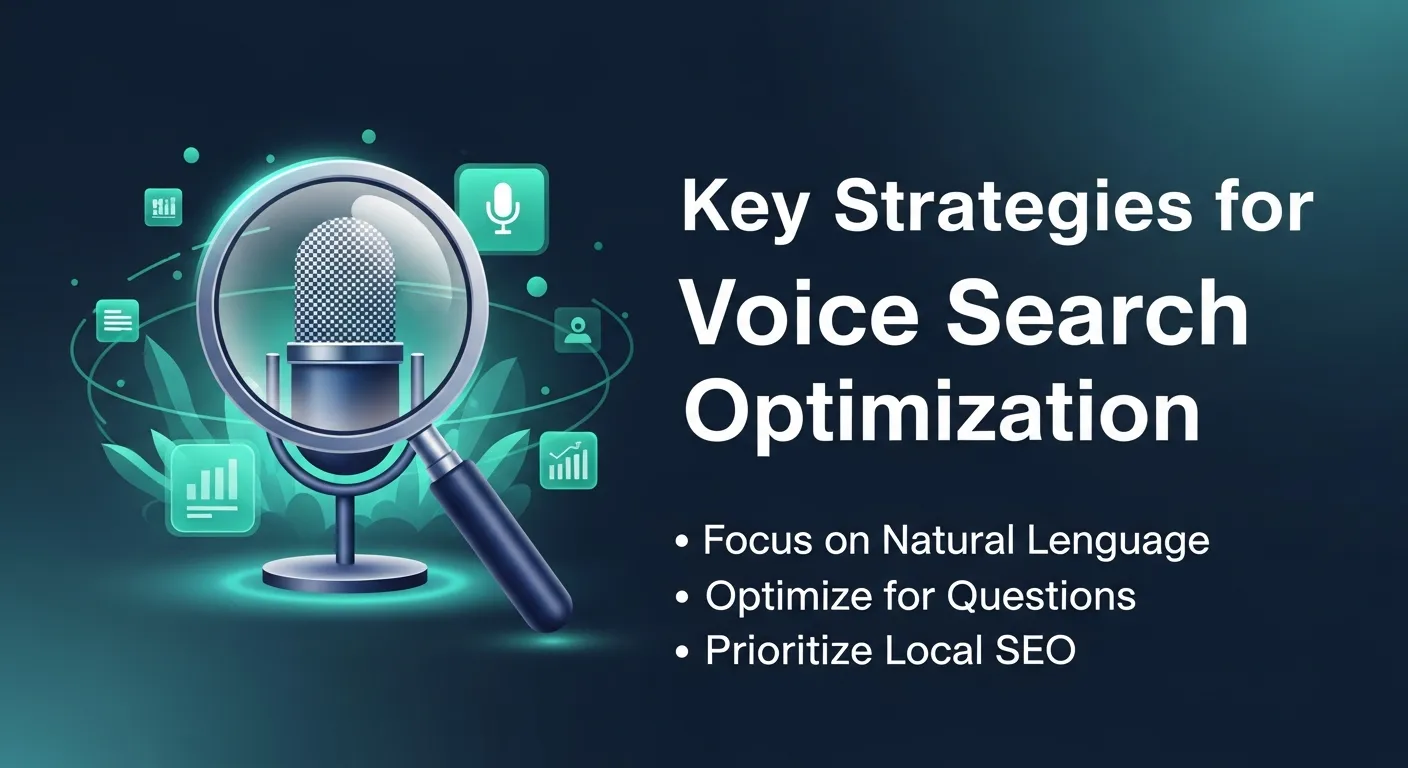
To optimize effectively, focus on these core areas:
- Keyword Research for Voice Queries: Identify conversational long-tail keywords and question-based phrases. Prioritize queries beginning with question words and incorporate natural language patterns.
- Featured Snippets & Position Zero: Google Assistant and other assistants often pull answers from featured snippets. Structure content to answer questions concisely in bullet points, tables, or short paragraphs at the top of pages.
- Local SEO Optimization: Many voice searches have local intent. Claim and optimize your Google My Business listing, ensure NAP (Name, Address, Phone) consistency, and include local keywords in content.
- Mobile-Friendly & Fast Loading Pages: Voice searches frequently occur on mobile devices. Implement responsive design, minify resources, and leverage caching to deliver instant answers.
Crafting Voice-Friendly Content
Creating content that aligns with how people speak is the cornerstone of successful Voice Search Optimization. Unlike typed searches, spoken queries are more conversational, often using complete questions or commands. Writing in a friendly, natural tone improves the likelihood of being picked up by virtual assistants.Best practices for voice-friendly content include:
- Using question-based headings (Who, What, When, Where, How)
- Short, concise sentences for clarity
- Answering one question per section or paragraph
- Including synonyms and natural language variations
Technical SEO for Voice Search
Behind-the-scenes optimizations are vital. Address these technical factors:
- Schema Markup: Use structured data (Schema.org) to annotate content. Rich snippets for FAQs, events, products, and local businesses help search engines understand your pages.
- XML Sitemaps: Keep your sitemap updated and ensure it includes all voice-relevant pages. Submit to Google Search Console regularly.
- HTTPS Protocol: Security is a ranking factor. Ensure your entire site operates over HTTPS to build trust and improve rankings.
- Page Speed Optimization: Aim for sub-3-second load times. Compress images, use a CDN, and optimize JavaScript/CSS delivery.
Creating Conversational Content
Content for voice search should mirror how people speak. Tips for crafting conversational copy:
- Write in a natural, question-and-answer format.
- Use short paragraphs and bullet lists for quick readability.
- Address one query per page or section to maintain focus.
- Include synonyms and semantically related terms to capture variations.
Simplifying Information for Voice Search

Optimizing for voice search means presenting information in a clear, concise, and easily digestible format. Users asking questions via smart devices expect short, precise answers, typically one or two sentences. Breaking content into smaller sections, bullet points, or Q&A formats helps virtual assistants understand and relay your information accurately. This approach not only improves the chances of being featured in position zero or rich snippets but also enhances user experience by providing quick, actionable answers without overwhelming the audience.
Leveraging Structured Data and Schema Markup
Structured data helps voice assistants extract precise answers from your pages. Implement these schema types based on your content:
- FAQPage: Wrap question-answer pairs for common queries.
- HowTo: Break down procedural guides into steps.
- LocalBusiness: Provide address, opening hours, and contact details.
- Recipe: If you run a food site, annotate ingredients and instructions.
Improving Site Speed and Mobile Experience
Voice search users expect near-instant responses. To optimize for mobile:
- Adopt Accelerated Mobile Pages (AMP) for key content to reduce load times.
- Ensure responsive design and touch-friendly elements.
- Defer non-critical scripts and lazy-load images.
- Test with Google’s Mobile-Friendly Test and PageSpeed Insights.
Local SEO and Voice Search
Local voice searches often involve seeking nearby businesses or services. Enhance your local visibility by:
- Claiming and optimizing your Google My Business listing with accurate details.
- Encouraging customer reviews and responding promptly.
- Embedding a Google Map on your contact page.
- Including local keywords (city, neighborhood) in headings and content.
Voice Commerce and Transactional Opportunities

The rise of voice commerce presents significant opportunities for businesses to drive sales and engagement. More consumers are using voice commands to make purchases, track orders, request services, or find product information hands-free. By optimizing product descriptions, call-to-actions, and transactional pages with natural, conversational language, brands can align with how users speak, making it easier for virtual assistants to interpret commands accurately. Implementing voice-friendly checkout processes and supporting transactional queries can capture these voice-driven interactions, improve customer convenience, and ultimately increase revenue while staying ahead in the evolving digital marketplace.
Measuring Voice Search Success
Track performance using these metrics and tools:
- Google Search Console: Filter queries by “voice” or analyze impressions for long-tail keywords.
- Google Analytics: Segment organic traffic by landing pages optimized for voice queries.
- Rank-tracking Tools: Tools like SEMrush or Ahrefs can track featured snippet and voice positions.
- Customer Feedback: Conduct surveys to understand how visitors discover your site via voice.
Top Tools for Voice Search Optimization
Leverage industry tools to streamline your VSO efforts:
- AnswerThePublic: Generates question-based keyword ideas.
- SEMrush Voice Search Report: Insights into voice search trends and performance.
- Schema Markup Generators: Tools like Merkle’s Schema Markup Generator simplify markup creation.
- PageSpeed Insights: Identifies speed bottlenecks affecting voice search readiness.
Common Challenges and How to Overcome Them
Implementing VSO comes with hurdles. Here’s how to tackle them:
- Ambiguous Queries: Create highly targeted Q&A content to address narrow topics.
- Lack of Technical Expertise: Use plugins and markup generators, or partner with a technical SEO specialist.
- Keeping Up with Updates: Follow Google’s developer blog and voice assistant release notes.
Future Trends in Voice Search and Digital Marketing

Voice technology will continue evolving. Watch for these trends:
- Multimodal Interactions: Combined voice and visual responses on smart displays.
- Personalized Voice Experiences: AI-driven personalization based on user history.
- Voice Commerce Growth: Seamless shopping experiences via voice assistants.
- Enterprise Voice Applications: Internal voice tools for research, analytics, and collaboration.
Conclusion
Voice search optimization represents a major opportunity for digital marketers to connect with audiences in a natural, conversational way. By combining targeted keyword research, technical SEO best practices, quality content creation, and local optimization, you can secure prime positions in voice results and enhance overall user experience. Start implementing these strategies today, measure your progress, and stay agile as voice technology evolves.
Ready to amplify your digital marketing with voice search? Begin auditing your site for conversational keywords and structured data today, and watch your brand’s visibility soar when users interact hands-free. If you’re new to digital marketing, check out our guide on How to Start Digital Marketing from Home With No Experience to build a strong foundation before diving into voice search strategies.
Frequently Asked Questions – Voice Search Optimization
1. What is Voice Search Optimization (VSO)?
Voice Search Optimization (VSO) is the process of optimizing websites, content, and technical elements to rank for voice-based queries on smart devices like Siri, Alexa, and Google Assistant. It ensures that voice assistants can understand and deliver your content accurately to users.
2. How is Voice Search Optimization different from typed search?
Voice queries are conversational, longer, and often phrased as full questions, unlike short, typed keyword searches. Users tend to speak naturally, asking who, what, where, or how, which requires content to match this natural language for better VSO performance.
3. Why is voice search important for digital marketing?
Voice search allows brands to connect with users earlier in their decision-making journey, enhance local visibility, improve accessibility, and increase engagement. Optimizing for voice ensures businesses capture traffic from smart devices and stay ahead of competitors in digital search.
4. What types of voice search queries exist?
Voice searches can be categorized as:
- Informational: Users seeking answers, e.g., “What is voice search optimization?”
- Navigational: Users looking for specific locations or websites, e.g., “Open Starbucks near me.”
- Transactional: Users ready to take action, e.g., “Order vegan pizza delivery nearby.”
Each type requires content tailored to user intent.
5. How can businesses optimize for local voice searches?
Businesses should claim and optimize Google My Business listings, maintain accurate NAP (Name, Address, Phone) information, include local keywords, and actively encourage customer reviews. These steps increase chances of appearing in “near me” searches and drive local traffic.
6. What role does structured data play in VSO?
Structured data, using schema markup, helps search engines and voice assistants understand your content. Proper implementation improves the likelihood of being featured in rich snippets, FAQs, or How-To cards, which are commonly read aloud by voice assistants.
7. How should content be structured for voice search?
Content should be conversational and easy to read. Use question-and-answer formats, short paragraphs, bullet points, and natural language that mirrors speech patterns. Focusing on one query per section increases clarity for both users and voice assistants.
8. What are best practices for site speed and mobile optimization?
Voice searches are often performed on mobile devices, so websites must be responsive and fast. Use AMP pages for key content, compress images, minimize scripts, and target sub-3-second load times to improve user experience and voice search rankings.
9. How can businesses leverage voice commerce?
Voice commerce allows users to purchase, track orders, or request services using voice commands. Optimizing product descriptions, CTAs, and checkout pages with natural, conversational language aligns with how people speak, increasing voice-driven sales and improving customer convenience.
10. Which tools help with Voice Search Optimization?
Useful tools for VSO include:
- AnswerThePublic: Generates question-based keywords.
- SEMrush Voice Search Report: Tracks voice query trends.
- Schema Markup Generators: Simplify structured data implementation.
- Google PageSpeed Insights: Identifies site speed issues affecting voice search.
11. What are common challenges in VSO?
Challenges include ambiguous user queries, lack of technical SEO expertise, and staying up-to-date with voice assistant algorithms and updates. Addressing these requires targeted content, technical support, and continuous monitoring of voice search trends.
12. What trends will shape the future of voice search?
Emerging trends include:
- Multimodal interactions: Combining voice and visual responses on smart displays.
- AI-driven personalization: Tailoring answers based on user history and preferences.
- Voice commerce growth: Seamless purchases via voice commands.
- Enterprise voice applications: Internal tools for research, analytics, and collaboration.



Leave a Reply